
Cutlass: Types, Uses, Functions, and Maintenance Guide
The cutlass is one of the most iconic and essential tools in agriculture, especially in tropical regions. Known for its simplicity and versatility, the cutlass plays a vital role in farming, gardening, and land management. This guide explores the various types of cutlasses, their uses, functions, maintenance tips, and answers to frequently asked questions.
read more on simple farm tools here
What Is a Cutlass?
A cutlass is a hand-held agricultural tool with a broad, slightly curved blade and a short handle. It is primarily used for cutting vegetation, clearing land, and harvesting crops. The tool is lightweight, affordable, and easy to use, making it indispensable for farmers and gardeners.
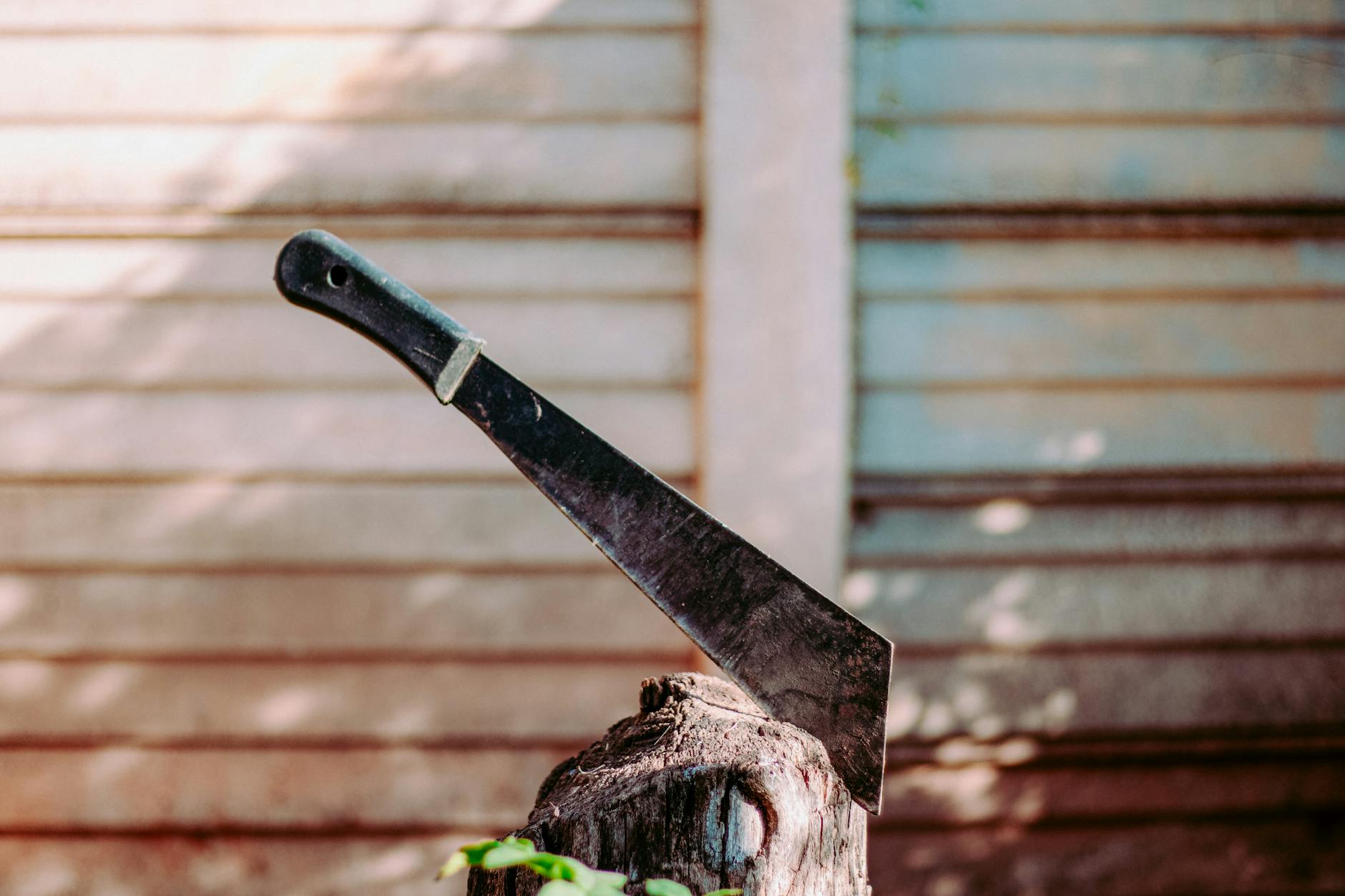
Types of Cutlass
`Cutlasses come in different shapes and sizes, each designed for specific tasks. Understanding the types helps users choose the right tool for their needs.
1. Common Agricultural Cutlass
This is the most widely used type. It features a slightly curved blade and a short handle, suitable for general farm work like clearing bushes and cutting crops.
2. Machete
Often confused with the cutlass, the machete has a longer blade and is ideal for cutting through thick vegetation and small trees.
3. Cane Cutlass
Designed for harvesting sugarcane, this cutlass has a hooked blade that makes it easier to cut through cane stalks efficiently.
4. Garden Cutlass
Smaller and lighter, this type is used for gardening tasks such as pruning, weeding, and transplanting. check out this article on best nursery practices
5. Curved Blade Cutlass
Its curved blade allows for more efficient slicing and is often used for harvesting crops like maize and cassava.
Uses of a Cutlass
The cutlass serves multiple purposes in agriculture and domestic settings:
- Clearing bushes and grass
- Cutting crops during harvest
- Pruning shrubs and branches
- Weeding around crops
- Splitting small firewood
- Digging small holes for planting
learn about weed control methods here
Functions of a Cutlass
Beyond its uses, the cutlass performs several key functions:
- Land preparation before planting more on tillage practices
- Efficient crop harvesting
- Maintaining farm hygiene
- Serving as a survival tool in rural areas
Maintenance of a Cutlass
Proper maintenance ensures the longevity and effectiveness of your cutlass. Here are essential practices:
1. Cleaning
Always clean the blade after use to remove dirt and plant residue. Dry it thoroughly to prevent rust.
2. Sharpening
Use a file or sharpening stone regularly to keep the blade sharp. A dull blade reduces efficiency and increases effort.
3. Oiling
Apply light machine oil to the blade to prevent rust and corrosion, especially if stored for long periods.
4. Storage
Store the cutlass in a dry place, preferably hanging or in a sheath. Avoid leaving it on the ground or in damp areas. check out types of Agricultural storage systems
5. Handle Care
Inspect the handle for cracks or looseness. Replace or repair damaged handles to ensure safe use.
Safety Tips When Using a Cutlass
- Wear protective gloves and boots
- Keep a firm grip on the handle
- Avoid using a damaged or rusty blade
- Be aware of your surroundings
- Store safely away from children
15 Frequently Asked Questions About Cutlasses
1. What is the difference between a cutlass and a machete?
A machete typically has a longer blade and is used for heavier tasks, while a cutlass is shorter and more versatile.
2. Can a cutlass be used for pruning?
Yes, especially the garden cutlass which is lighter and easier to handle.
3. How often should I sharpen my cutlass?
After every few uses or when you notice reduced cutting efficiency.
4. Is it safe to use a rusty cutlass?
No. Rust weakens the blade and can cause injury. Always clean and oil your cutlass.
5. What type of cutlass is best for sugarcane?
The cane cutlass with a hooked blade is ideal.
6. Can children use a cutlass?
Only under adult supervision and with appropriate safety gear.
7. Where can I buy a quality cutlass?
Agricultural supply stores, hardware shops, and online marketplaces.
8. How do I prevent my cutlass from rustin
Clean after use and apply oil before storage.
9. What is the best material for a cutlass handle?
Hardwood or reinforced plastic for durability and grip.
10. Can I use a cutlass for harvesting maize?
Yes, especially the curved blade cutlass.
11. Is a cutlass useful in gardening?
Absolutely. It helps with weeding, pruning, and transplanting.
12. How do I know when to replace my cutlass?
When the blade is chipped, bent, or the handle is irreparably damaged.
13. Can I use a cutlass to split firewood?
Yes, for small logs and branches.
14. What is the ideal blade length for a cutlass?
Typically between 12 to 18 inches depending on the task.
15. Are there stainless steel cutlasses?
Yes, they are more resistant to rust but may be more expensive.
Conclusion
The cutlass remains a vital tool in agriculture and gardening due to its versatility, affordability, and ease of use. By understanding the different types, uses, and maintenance practices, users can maximize its effectiveness and lifespan. Whether you’re clearing land, harvesting crops, or pruning plants, the cutlass is a reliable companion in the field.
`Explore the complete guide to cutlasses: types, uses, functions, maintenance tips, and answers to 15 frequently asked questions. Ideal for farmers, gardeners, and agricultural students.
PROTOZOAN DISEASES
155. TRYPONOSOMIASIS
159. TAPE WORM
160. ROUND WORM OF PIGS
161. LIVER FLUKE
162. ECTO PARASITES
163. TICK
check out these recent posts
Originally posted 2025-10-30 18:18:21.