
World Coal Mining Industry: Complete Global Analysis and Future Outlook 2025. Comprehensive guide to global coal mining industry with production statistics, major countries, companies, and market trends for 2025.
Table of Contents
- Global Coal Mining Overview
- World Coal Production Statistics
- Top Coal Producing Countries
- Leading Global Coal Mining Companies
- Regional Coal Mining Analysis
- Coal Mining Technologies and Methods
- Global Coal Reserves and Resources
- Economic Impact of Coal Mining Worldwide
- Environmental Challenges and Sustainability
- Market Trends and Price Analysis
- Transportation and Infrastructure
- Coal Types and Quality Standards
- Government Policies and Regulations
- Future of Global Coal Mining
- Investment Opportunities and Risks
- Frequently Asked Questions
- Conclusion
World Coal Mining Overview {#global-overview}
The world’s coal mining industry remains one of the most significant extractive industries globally, despite growing environmental concerns and the push toward renewable energy. Global coal production totaled 9.24 billion tonnes in 2024, up 0.9% year-over-year, demonstrating the continued reliance on this fossil fuel across many economies.
Coal mining operations span across every continent except Antarctica, with Asia-Pacific dominating production. In 2024, the Asia-Pacific region accounted for more than 80% of global coal production, highlighting the concentration of mining activities in this rapidly industrializing region. see also coal mining in Nigeria
The industry supports millions of workers worldwide and represents a multi-trillion-dollar market. As of March 2024, the global coal mining industry employed over seven million people, making it a crucial source of employment in many developing and developed nations.
Despite the global transition toward cleaner energy sources, coal mining continues to play a vital role in power generation, steel production, and cement manufacturing. The industry faces unique challenges as it balances economic necessity with environmental responsibility and changing energy policies worldwide. see more on the scale of preference
World Coal Production Statistics {#production-statistics}
The global coal mining industry has experienced steady growth over the past two decades, with production reaching unprecedented levels in recent years. According to the International Energy Agency (IEA), coal consumption hit another new record last year—8.77 billion metric tons, indicating robust demand despite climate concerns. more on demand and supply here
Production Trends
Coal production has shown remarkable resilience, with power generation from coal increased by 1.9% in 2023 to 10 690 terawatt-hours (TWh), setting a new record. This growth is primarily driven by developing economies where coal remains the cheapest and most accessible energy source.
Market Value
The coal mining industry’s economic significance is substantial. In 2023, the market value of coal mining amounted to approximately 1989 billion U.S. dollars, representing a significant recovery from the lows experienced in 2020.
Industry Structure
The global coal mining landscape consists of more than 8,000 coal mining businesses globally, ranging from small artisanal operations to massive multinational corporations with sophisticated mining equipment and extensive infrastructure.
New Mine Development
Interestingly, the pace of new mine development has slowed recently. In 2024, newly-opened coal mines added a total of 105 million tonnes per annum (Mtpa) of production capacity to the global coal mining industry — a 46% decline from 2023 (193 Mtpa) and the smallest production capacity increase in a decade.
Top Coal Producing Countries {#top-countries}
The global coal mining industry is dominated by a handful of countries, with Asia leading the pack in both production volume and growth rates.
China – The Undisputed Leader
China remains by far the world’s largest coal producer, accounting for over half of global production. The country’s massive industrial base and energy needs drive continuous demand for coal, despite government commitments to reduce carbon emissions.
India – Rising Powerhouse
India stands as the second-largest coal producer globally, with production driven by rapid economic growth and increasing energy demands. The country continues to expand its mining operations to support its growing manufacturing sector and power generation needs.
United States – Leading Western Producer
Among Western nations, the U.S. leads with 464 million tonnes of coal produced in 2024, though U.S. coal production also declined by 11.6% year-over-year, reflecting the country’s shift toward natural gas and renewables.
Australia – Export Giant
Australia is a major coal producer and the world’s largest coal exporter. The country’s high-quality coal and well-developed mining infrastructure make it a key supplier to Asian markets.
Indonesia – Thermal Coal Leader
Indonesia has emerged as a significant player in thermal coal production, primarily serving the Asian market with lower-grade coal suitable for power generation.
Russia – Resource Rich
Russia, both churning out over 400 million tonnes of coal in 2024, remains a major producer despite international sanctions and market restrictions.
Leading Global Coal Mining Companies {#leading-companies}
The global coal mining industry is dominated by several major corporations that control significant portions of worldwide production and reserves.
China Shenhua Energy
China Shenhua Energy had the largest market capitalization (market cap) of any coal mining company in the world as of October 28th 2024, amounting to over 110 billion U.S. dollars, reflecting China’s dominance in the global coal market.
Major International Players
The traditional mining giants continue to play significant roles in coal production:
- BHP Group: One of the world’s largest mining companies with substantial coal operations
- Rio Tinto: Major player in iron ore and coal mining
- Anglo American: Significant coal producer with operations across multiple continents
- Glencore: Major commodity trading and mining company with extensive coal assets
- Vale: Brazilian mining giant with coal operations
Regional Champions
Various regional companies dominate their local markets:
- Coal India Limited: Government-owned company controlling most of India’s coal production
- Peabody Energy: Major U.S. coal producer
- Arch Resources: Significant American coal mining company
- Yanzhou Coal Mining: Chinese mining conglomerate
- China Coal Energy: Major Chinese state-owned coal company
Regional Coal Mining Analysis {#regional-analysis}
Coal mining activities vary significantly across different regions, each with unique characteristics, challenges, and market dynamics.
Asia-Pacific Region
The Asia-Pacific region dominates global coal production and consumption. Countries like China, India, Indonesia, and Australia account for the majority of world coal output. This region’s rapid industrialization and growing energy demands continue to drive coal mining expansion.
North America
North American coal mining, primarily in the United States and Canada, focuses on both domestic consumption and exports. The region has seen declining production in recent years due to competition from natural gas and renewable energy sources.
Europe
European coal mining has declined significantly due to environmental policies and the transition to cleaner energy sources. Countries like Germany and Poland still maintain substantial coal operations, though phase-out plans are in place.
Africa
African coal mining is growing, with South Africa leading the continent in production. Countries like Nigeria, Zimbabwe, and Mozambique are developing their coal resources to support economic growth and energy security.
South America
South American coal mining is relatively small compared to other regions, with Colombia and Brazil being the main producers. Most production is oriented toward export markets rather than domestic consumption.
Coal Mining Technologies and Methods {#technologies-methods}
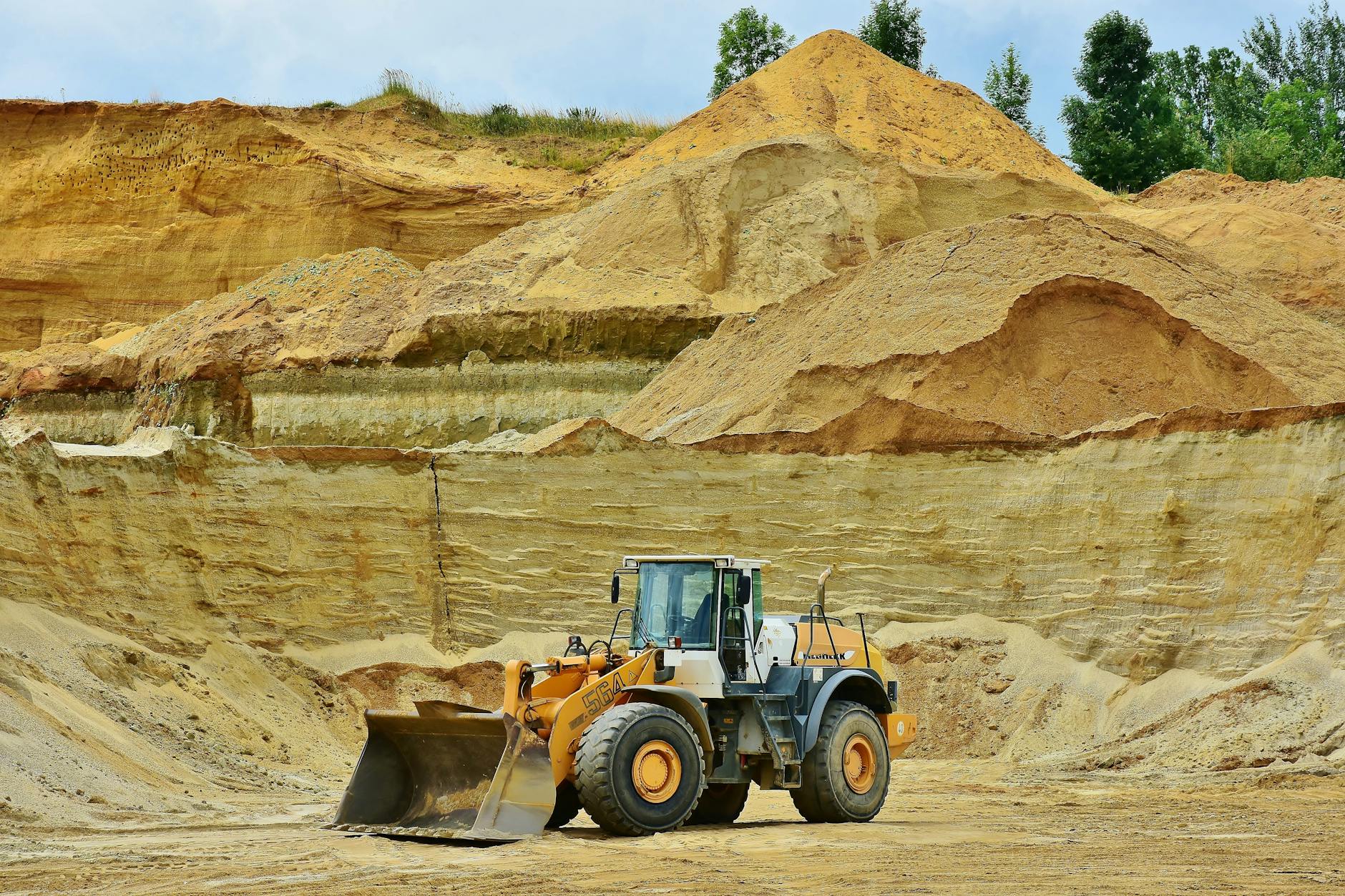
Modern coal mining employs various sophisticated technologies and methods to maximize efficiency while minimizing environmental impact.
Surface Mining Methods
Surface mining accounts for approximately 70% of global coal production due to its cost-effectiveness and safety advantages:
- Strip Mining: Most common method for shallow coal seams
- Open Pit Mining: Used for deeper deposits accessible from the surface
- Mountaintop Removal: Controversial method used in specific geological conditions
Underground Mining Methods
Underground mining is necessary for deeper coal deposits:
- Longwall Mining: Highly automated method using advanced machinery
- Room and Pillar: Traditional method leaving coal pillars for roof support
- Continuous Mining: Uses continuous mining machines for efficient extraction
Advanced Technologies
Modern coal mining incorporates cutting-edge technologies:
- Automated Mining Equipment: Remote-controlled and autonomous mining machinery
- Advanced Geological Surveying: 3D mapping and geological modeling
- Environmental Monitoring Systems: Real-time monitoring of air, water, and soil quality
- Safety Technologies: Advanced ventilation systems and emergency response equipment
Global Coal Reserves and Resources {#reserves-resources}
The world’s coal reserves are substantial and widely distributed, providing the foundation for continued mining operations for decades to come.
Proven Reserves
Global proven coal reserves are estimated at over 1 trillion tons, sufficient to meet current production levels for more than 100 years. These reserves are unevenly distributed, with the largest concentrations in:
- United States
- Russia
- Australia
- China
- India
Resource Quality
Coal quality varies significantly by region and geological formation:
- Anthracite: Highest quality, primarily found in specific regions
- Bituminous Coal: Most common type used for power generation and steel production
- Sub-bituminous Coal: Lower energy content, primarily used for power generation
- Lignite: Lowest quality, used mainly for power generation near mining sites
Geological Considerations
Coal deposits occur in various geological settings, influencing mining methods and costs:
- Sedimentary basins with horizontal seams
- Folded and faulted deposits requiring specialized extraction techniques
- Deep deposits accessible only through underground mining
- Surface deposits suitable for strip mining
Economic Impact of Coal Mining Worldwide {#economic-impact}
Coal mining has profound economic impacts on local, national, and global scales, affecting employment, government revenues, and regional development.
Employment Generation
Coal mining directly employs millions of people worldwide and supports many more jobs in related industries:
- Mining equipment manufacturing
- Transportation and logistics
- Coal processing and preparation
- Power generation and steel production
Government Revenues
Coal mining generates significant tax revenues, royalties, and export earnings for producing countries. These funds often support public services and infrastructure development in mining regions.
Regional Development
Coal mining operations often drive regional economic development by:
- Creating direct employment opportunities
- Attracting supporting industries and services
- Improving local infrastructure
- Generating tax revenues for local governments
International Trade
Coal is one of the world’s most traded commodities, with major trade flows between producing and consuming regions. Export revenues from coal provide crucial foreign exchange earnings for many developing countries.
Environmental Challenges and Sustainability {#environmental-challenges}
Coal mining faces increasing scrutiny due to its environmental impacts and contribution to climate change. The industry is responding with improved practices and technologies.
Environmental Impacts
Coal mining affects the environment in various ways:
- Land Degradation: Surface mining can severely impact landscapes
- Water Pollution: Acid mine drainage and groundwater contamination
- Air Quality: Dust emissions and particulate matter
- Climate Change: CO2 emissions from coal combustion
Mitigation Measures
Modern coal mining employs various environmental protection measures:
- Land Reclamation: Restoring mined areas to productive use
- Water Treatment: Advanced systems to treat contaminated water
- Dust Control: Technologies to minimize airborne particulates
- Biodiversity Protection: Measures to protect local ecosystems
Clean Coal Technologies
The industry is investing in cleaner coal technologies:
- Coal Washing: Removing impurities to reduce emissions
- Carbon Capture and Storage: Experimental technologies to reduce CO2 emissions
- Improved Combustion: More efficient coal-burning technologies
- Renewable Integration: Combining coal plants with renewable energy sources
Market Trends and Price Analysis {#market-trends}
Global coal markets are influenced by numerous factors including supply and demand dynamics, environmental policies, and economic conditions.
Price Volatility
Coal prices have experienced significant volatility in recent years due to:
- Supply chain disruptions
- Changing environmental regulations
- Competition from natural gas and renewables
- Geopolitical tensions affecting trade flows
Demand Patterns
Coal demand varies by region and end-use:
- Power Generation: Still the largest consumer of coal globally
- Steel Production: Critical for metallurgical coal demand
- Cement Manufacturing: Significant consumer in developing countries
- Industrial Heat: Various industrial applications
Trade Flows
International coal trade involves complex patterns:
- Asian countries are major importers
- Australia, Indonesia, and Russia are key exporters
- Transportation costs significantly impact trade economics
- Quality specifications drive market segmentation
Transportation and Infrastructure {#transportation-infrastructure}
Efficient transportation infrastructure is crucial for the coal mining industry, as coal is a bulk commodity requiring specialized handling and transport systems.
Rail Transportation
Railways are the primary means of transporting coal over long distances:
- Dedicated coal rail lines connecting mines to ports and power plants
- Specialized coal cars designed for bulk transport
- Rail infrastructure investments to handle increasing volumes
Maritime Shipping
International coal trade relies heavily on maritime transport:
- Bulk carriers designed specifically for coal transport
- Major coal ports with specialized loading and unloading facilities
- Shipping routes connecting producing and consuming regions
Port Infrastructure
Coal ports require specialized infrastructure:
- High-capacity loading systems
- Storage facilities for coal stockpiling
- Environmental controls to minimize dust emissions
- Deep-water berths for large bulk carriers
Domestic Transportation
Within countries, coal is transported via:
- Truck transport for shorter distances
- Conveyor belt systems at large mining operations
- Barge transport on inland waterways
- Pipeline transport for coal slurry (limited applications)
Coal Types and Quality Standards {#coal-types-quality}
Understanding different coal types and quality standards is essential for evaluating global coal mining operations and market dynamics.
Coal Classification
Coal is classified based on its carbon content, energy value, and other characteristics:
Thermal Coal
Used primarily for power generation:
- Sub-bituminous Coal: Lower energy content, higher moisture
- Bituminous Coal: Medium to high energy content
- Anthracite: Highest energy content, lowest emissions
Metallurgical Coal
Essential for steel production:
- Coking Coal: Can be converted to coke for steel making
- Semi-coking Coal: Limited coking properties
- Injection Coal: Used in blast furnaces
Quality Parameters
Coal quality is determined by several factors:
- Energy Content: Measured in BTU or calorific value
- Ash Content: Mineral impurities remaining after combustion
- Sulfur Content: Affects environmental emissions
- Moisture Content: Impacts transportation and combustion efficiency
Government Policies and Regulations On Coal Mining {#policies-regulations}
Government policies significantly impact coal mining operations worldwide, ranging from environmental regulations to economic incentives.
Environmental Regulations
Most countries have implemented environmental regulations for coal mining:
- Environmental impact assessments
- Water and air quality standards
- Land reclamation requirements
- Emission limits for coal-fired power plants
Safety Regulations On Coal Mining
Mining safety is regulated through various measures:
- Worker safety standards and training requirements
- Equipment certification and maintenance standards
- Emergency response procedures
- Regular safety inspections and audits
Economic Policies
Government economic policies affect coal mining:
- Tax policies and royalty rates
- Subsidies and incentives for mining companies
- Trade policies affecting coal exports and imports
- Investment regulations for foreign companies
Climate Policies
Increasing focus on climate change affects coal mining:
- Carbon pricing mechanisms
- Renewable energy targets
- Coal plant phase-out schedules
- International climate commitments
Future of Global Coal Mining {#future-outlook}
The future of global coal mining is shaped by competing forces: continued demand from developing countries versus environmental concerns and energy transition policies.
Demand Projections
Future coal demand will likely be influenced by:
- Economic growth in developing countries
- Energy security concerns
- Competition from renewable energy sources
- Carbon pricing and environmental regulations
Technology Development
Technological advances may shape the industry’s future:
- Improved mining efficiency and safety
- Environmental protection technologies
- Clean coal technologies and carbon capture
- Automation and digitalization of mining operations
Regional Variations
Different regions will experience varying trends:
- Asia may continue high coal consumption
- Europe and North America likely to reduce coal use
- Africa and other developing regions may increase coal mining
- Australia and other exporters may face changing market dynamics
Investment Patterns
Investment in coal mining is becoming more selective:
- Focus on high-quality, low-cost deposits
- Emphasis on environmental and social responsibility
- Increased scrutiny from financial markets
- Growing interest in mine rehabilitation and closure
Investment Opportunities and Risks {#investment-opportunities}
The global coal mining industry presents both opportunities and risks for investors, requiring careful analysis of market dynamics and long-term trends.
Investment Opportunities
Emerging Markets
Developing countries offer growth opportunities:
- Increasing energy demand in Asia and Africa
- Infrastructure development requiring steel production
- Government support for domestic mining industries
- Lower labor and operational costs
Technology Investments
Opportunities exist in mining technology:
- Automation and digitalization solutions
- Environmental protection technologies
- Mining equipment and machinery
- Transportation and logistics improvements
Infrastructure Development
Supporting infrastructure offers investment potential:
- Port and terminal facilities
- Railway connections to mining areas
- Power transmission for mining operations
- Water and waste management systems
Investment Risks
Environmental and Regulatory Risks
Growing environmental concerns create risks:
- Stricter environmental regulations
- Carbon pricing and climate policies
- Community opposition to mining projects
- Potential asset stranding due to policy changes
Market Risks
Coal markets face various uncertainties:
- Price volatility and demand fluctuations
- Competition from renewable energy
- Trade policy changes and tariffs
- Currency exchange rate risks
Operational Risks
Mining operations involve inherent risks:
- Geological uncertainties and resource depletion
- Safety incidents and operational disruptions
- Infrastructure and transportation challenges
- Weather and natural disaster impacts
Frequently Asked Questions {#faqs}
1. Which countries produce the most coal globally?
China is by far the largest coal producer, followed by India, the United States, Australia, Indonesia, and Russia. These six countries account for about 80% of global coal production.
2. How much coal is produced worldwide each year?
Global coal production reached 9.24 billion tonnes in 2024, representing a 0.9% increase from the previous year, according to recent industry data.
3. What are the largest coal mining companies in the world?
China Shenhua Energy has the largest market capitalization among coal companies, followed by other major players like Coal India Limited, BHP Group, Rio Tinto, and Anglo American.
4. How many people work in coal mining worldwide?
The global coal mining industry employs over seven million people directly, with millions more working in related industries and support services.
5. What types of coal are mined globally?
The main types are thermal coal (used for power generation) and metallurgical coal (used for steel production). Coal is also classified by rank: lignite, sub-bituminous, bituminous, and anthracite.
6. Which regions consume the most coal?
The Asia-Pacific region accounts for more than 80% of global coal consumption, with China and India being the largest consumers.
7. How is coal transported internationally?
Coal is primarily transported by bulk carrier ships for international trade, with major shipping routes connecting producing countries like Australia and Indonesia to consuming countries in Asia.
8. What are the main uses of coal globally?
The primary uses are electricity generation (about 70% of global coal use), steel production, cement manufacturing, and other industrial applications.
9. How long will global coal reserves last?
At current production rates, proven global coal reserves could last over 100 years, though this doesn’t account for changing demand patterns or new discoveries.
10. What environmental impacts does coal mining have?
Coal mining can cause land degradation, water pollution, air quality issues, and contributes to climate change through CO2 emissions from coal combustion.
11. Are new coal mines still being opened?
Yes, but at a declining rate. In 2024, newly-opened coal mines added 105 million tonnes of capacity, down 46% from 2023 levels.
12. Which countries export the most coal?
Australia is the largest coal exporter, followed by Indonesia, Russia, and the United States. These countries supply coal to markets primarily in Asia.
13. What safety measures are used in modern coal mining?
Modern coal mining employs advanced ventilation systems, automated equipment, continuous monitoring systems, emergency response protocols, and extensive worker training programs.
14. How has coal mining technology evolved?
Modern coal mining uses automated equipment, GPS guidance systems, advanced geological surveying, remote monitoring, and sophisticated safety systems compared to traditional manual methods.
15. What is the economic value of the global coal mining industry?
The global coal mining market was valued at approximately $1.989 trillion in 2023, representing a significant portion of the worldwide mining industry.
16. Are there clean coal technologies?
Yes, including coal washing to remove impurities, advanced combustion technologies, carbon capture and storage (experimental), and integrated gasification combined cycle systems.
17. How do government policies affect coal mining?
Policies on environmental regulation, carbon pricing, mining royalties, safety standards, and international trade significantly impact coal mining operations and profitability.
18. What are the main challenges facing the coal mining industry?
Key challenges include environmental regulations, competition from renewables, price volatility, safety concerns, infrastructure needs, and changing investor sentiment.
19. Is coal mining declining globally?
Coal mining shows mixed trends – declining in developed countries like the US and Europe, but growing in developing countries in Asia and Africa.
20. What investment opportunities exist in coal mining?
Opportunities include mining operations in emerging markets, technology solutions for mining companies, infrastructure development, and specialized equipment manufacturing.
Conclusion {#conclusion}
The global coal mining industry stands at a crossroads in 2025. While environmental concerns and the transition to renewable energy create headwinds, robust demand from developing economies and industrial applications ensure coal mining remains economically significant worldwide.
With over 9 billion tonnes produced annually and a market value approaching $2 trillion, coal mining continues to be one of the world’s largest extractive industries. The Asia-Pacific region’s dominance, accounting for more than 80% of global production, reflects the industry’s geographic concentration and the continuing industrialization of emerging economies.
The industry employs over seven million people directly and supports entire regions economically. From China’s massive operations to Australia’s export-oriented mines, coal mining shapes local and national economies across the globe.
However, the industry faces unprecedented challenges. Climate change policies, environmental regulations, and competition from cleaner energy sources are reshaping market dynamics. The 46% decline in new mine capacity additions in 2024 signals a maturing industry that’s becoming more selective about new developments.
Looking ahead, the coal mining industry will likely see continued regional divergence. While developed countries reduce coal consumption and mining operations, developing countries may maintain or increase production to support their energy security and industrial development goals.
For investors and industry participants, success will depend on adapting to changing market conditions, implementing sustainable practices, and focusing on efficiency and environmental responsibility. The companies and countries that can balance economic necessity with environmental stewardship will be best positioned for long-term success in the evolving global coal mining landscape.
The future of coal mining isn’t just about extraction – it’s about responsible resource development that considers environmental impacts, community needs, and the broader energy transition while meeting the legitimate energy and industrial needs of a growing global population.