
Pathogens: The Complete Guide to Disease-Causing Microorganisms
learn about pathogens – disease-causing microorganisms including bacteria, viruses, fungi, and parasites. Discover transmission routes, prevention methods, and treatment options in this comprehensive guide.
Table of Contents
- Introduction to Pathogens
- Types of Pathogens: Understanding the Enemy
- Bacterial Pathogens
- Viral Pathogens
- Fungal Pathogens
- Parasitic Pathogens
- Prions
- Mechanisms of Pathogenicity
- Virulence Factors
- Host-Pathogen Interactions
- Transmission Routes: How Pathogens Spread
- Direct Contact Transmission
- Airborne Transmission
- Vector-Borne Transmission
- Foodborne and Waterborne Transmission
- Bloodborne Transmission
- The Body’s Defense Mechanisms
- Innate Immunity
- Adaptive Immunity
- Immunological Memory and Vaccination
- Prevention and Control Strategies
- Personal Hygiene Practices
- Food Safety Measures
- Water Safety and Sanitation
- Vector Control
- Treatment Options for Pathogenic Infections
- Antimicrobial Therapy
- Supportive Care
- Current Challenges in Pathogen Control
- Antimicrobial Resistance
- Emerging Infectious Diseases
- Global Health Challenges
- Future Directions in Pathogen Research and Control
- Novel Therapeutic Approaches
- Diagnostic Innovations
- Vaccine Development
- Frequently Asked Questions (FAQs)
- Conclusion
Introduction to Pathogens
Pathogens are microscopic organisms that have the ability to cause disease in their hosts. These biological agents include bacteria, viruses, fungi, parasites, and prions that can invade the human body and disrupt normal physiological functions. Understanding pathogens is crucial for maintaining public health, developing medical treatments, and preventing the spread of infectious diseases.
The study of pathogens, known as pathology and microbiology, has revolutionized modern medicine. From the discovery of antibiotics to the development of vaccines, our knowledge of these disease-causing agents has saved millions of lives and continues to be vital in combating emerging health threats.
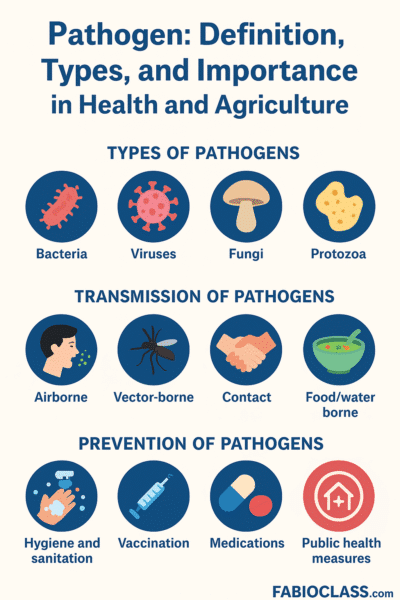
Types of Pathogens: Understanding the Enemy
Bacterial Pathogens
Bacteria are single-celled prokaryotic organisms that can cause a wide range of infections. While many bacteria are beneficial or harmless, pathogenic bacteria possess virulence factors that allow them to invade tissues, evade immune responses, and produce toxins.
Common Bacterial Pathogens
Escherichia coli (E. coli) is normally found in the intestinal tract but certain strains can cause severe food poisoning, urinary tract infections, and bloodstream infections. The O157:H7 strain is particularly dangerous, producing Shiga toxin that can lead to hemolytic uremic syndrome.
Streptococcus pyogenes causes strep throat, scarlet fever, and invasive diseases like necrotizing fasciitis. This gram-positive bacterium produces various toxins and enzymes that help it spread through tissues.
Mycobacterium tuberculosis is the causative agent of tuberculosis, a chronic infection primarily affecting the lungs. This slow-growing bacterium has a waxy cell wall that makes it resistant to many disinfectants and allows it to survive inside immune cells.
Staphylococcus aureus, including methicillin-resistant strains (MRSA), can cause skin infections, pneumonia, sepsis, and food poisoning. Its ability to form biofilms and produce various toxins makes it a formidable pathogen.
Viral Pathogens
Viruses are obligate intracellular parasites that require host cells to reproduce. They consist of genetic material (DNA or RNA) surrounded by a protein coat and sometimes an envelope derived from host cell membranes.
Major Viral Pathogens
Influenza viruses cause seasonal epidemics and occasional pandemics. The virus’s ability to undergo antigenic drift and shift allows it to evade previously acquired immunity, necessitating annual vaccine updates.
SARS-CoV-2, the coronavirus responsible for COVID-19, demonstrated how rapidly viral pathogens can spread globally. Its spike protein allows attachment to ACE2 receptors in human cells, particularly in the respiratory system.
Human Immunodeficiency Virus (HIV) targets CD4+ T cells, gradually destroying the immune system and leading to acquired immunodeficiency syndrome (AIDS). The virus’s high mutation rate and integration into host DNA make it particularly challenging to eliminate.
Hepatitis B Virus (HBV) causes chronic liver infection that can lead to cirrhosis and liver cancer. Unlike many viruses, HBV can persist in the liver for decades, making it a major global health concern.
Fungal Pathogens
Fungi are eukaryotic organisms that can exist as yeasts (single cells) or molds (multicellular filaments). Pathogenic fungi can cause superficial, subcutaneous, or systemic infections.
Important Fungal Pathogens
Candida albicans is an opportunistic yeast that normally resides in the human microbiome but can cause infections when immune defenses are compromised. It commonly causes oral thrush, vaginal yeast infections, and invasive candidiasis in hospitalized patients.
Aspergillus fumigatus is a ubiquitous mold that can cause aspergillosis, ranging from allergic reactions to invasive pulmonary infections. Immunocompromised patients are particularly susceptible to life-threatening invasive aspergillosis.
Cryptococcus neoformans causes cryptococcal meningitis, particularly in patients with AIDS. This encapsulated yeast can cross the blood-brain barrier and establish central nervous system infections.
Parasitic Pathogens
Parasites are organisms that live on or in a host organism, deriving nutrients at the host’s expense. They include protozoa, helminths, and arthropods.
Protozoan Parasites
Plasmodium species cause malaria, transmitted through Anopheles mosquito bites. The complex life cycle involving both mosquito and human hosts allows the parasite to evade immune responses and establish chronic infections.
Giardia lamblia is a flagellated protozoan that causes giardiasis, characterized by diarrhea, abdominal cramps, and malabsorption. It forms resistant cysts that can survive in water for extended periods.
Toxoplasma gondii causes toxoplasmosis, which can be particularly dangerous for immunocompromised individuals and pregnant women. Cats serve as the definitive host, but the parasite can infect virtually all warm-blooded animals.
Helminthic Parasites
Ascaris lumbricoides is the most common intestinal roundworm, affecting over a billion people worldwide. Adult worms can cause intestinal obstruction, while larval migration can cause pneumonia-like symptoms.
Schistosoma species cause schistosomiasis, a chronic disease affecting the urogenital system or intestines. The parasites have a complex life cycle involving freshwater snails as intermediate hosts.
Prions
Prions are infectious protein particles that lack nucleic acids but can still transmit disease. They cause progressive neurodegenerative diseases by inducing normal proteins to adopt abnormal conformations.
Creutzfeldt-Jakob Disease (CJD) is the most common human prion disease, characterized by rapidly progressive dementia and neurological dysfunction. Variant CJD has been linked to consumption of beef from cattle with bovine spongiform encephalopathy (mad cow disease).
Mechanisms of Pathogenicity
Virulence Factors
Pathogens employ various strategies to establish infection and cause disease. Virulence factors are molecules produced by pathogens that enhance their ability to colonize, survive, and damage host tissues.
Adhesins allow pathogens to attach to specific host cells or tissues. For example, the P fimbriae of uropathogenic E. coli enable attachment to uroepithelial cells, facilitating urinary tract infections.
Invasins help pathogens penetrate host cells or cross tissue barriers. Salmonella species produce invasins that trigger their uptake by intestinal epithelial cells.
Toxins directly damage host cells or interfere with cellular processes. Botulinum toxin blocks neurotransmitter release, causing paralysis, while cholera toxin disrupts electrolyte balance, leading to severe diarrhea.
Immune evasion mechanisms help pathogens avoid or suppress host immune responses. HIV mutates rapidly to escape recognition, while Streptococcus pneumoniae has a polysaccharide capsule that prevents phagocytosis.
Host-Pathogen Interactions
The outcome of pathogen exposure depends on the complex interaction between pathogen virulence and host susceptibility. Factors influencing this interaction include pathogen dose, route of infection, host immune status, genetic factors, age, nutritional status, and concurrent diseases.
Some pathogens establish acute infections with rapid onset and resolution, while others cause chronic infections that persist for months or years. Latent infections occur when pathogens remain dormant in the host and may reactivate under certain conditions.
Transmission Routes: How Pathogens Spread
Direct Contact Transmission
Direct contact transmission occurs through physical contact between infected and susceptible individuals. This includes skin-to-skin contact, sexual contact, and contact with infected body fluids.
Person-to-person transmission is common for pathogens like herpes simplex virus, human papillomavirus, and many sexually transmitted infections. Healthcare settings require strict contact precautions to prevent transmission of multidrug-resistant organisms.
Droplet transmission occurs when respiratory droplets containing pathogens are expelled during coughing, sneezing, or talking and directly contact mucous membranes of nearby individuals. This is the primary mode of transmission for influenza, COVID-19, and pertussis.
Airborne Transmission
Airborne transmission involves pathogens that can remain suspended in air currents and be inhaled by susceptible hosts. These pathogens are typically contained in droplet nuclei or dust particles.
Tuberculosis is the classic example of airborne transmission. The small size of infectious droplet nuclei allows them to remain airborne for hours and reach the alveoli when inhaled.
Aspergillus spores are ubiquitous in the environment and can cause invasive infections in immunocompromised patients through inhalation.
Vector-Borne Transmission
Vector-borne diseases are transmitted through arthropod vectors such as mosquitoes, ticks, and fleas. These diseases often have complex epidemiological patterns influenced by vector ecology and climate.
Mosquito-borne diseases include malaria, dengue fever, Zika virus, yellow fever, and West Nile virus. Different mosquito species have specific feeding preferences and breeding habitats that influence disease transmission patterns.
Tick-borne diseases such as Lyme disease, Rocky Mountain spotted fever, and ehrlichiosis are increasing in incidence due to expanding tick populations and human encroachment into tick habitats.
Foodborne and Waterborne Transmission
Contaminated food and water serve as vehicles for pathogen transmission. Poor sanitation, inadequate food handling, and compromised water treatment systems contribute to foodborne and waterborne disease outbreaks.
Foodborne pathogens include Salmonella, Campylobacter, Listeria, and norovirus. These pathogens can contaminate food at various points in the farm-to-fork continuum.
Waterborne pathogens such as Giardia, Cryptosporidium, and Hepatitis A virus can cause large-scale outbreaks when water treatment systems fail or become contaminated.
Bloodborne Transmission
Bloodborne pathogens are transmitted through contact with infected blood or body fluids. This occurs through needle sharing, blood transfusions, organ transplants, and occupational exposures in healthcare settings.
HIV, Hepatitis B, and Hepatitis C are the most significant bloodborne pathogens. Universal precautions and blood screening have dramatically reduced transmission risks in healthcare and blood banking.
The Body’s Defense Mechanisms
Innate Immunity
The innate immune system provides immediate, non-specific defense against pathogens. Physical barriers such as skin and mucous membranes prevent pathogen entry, while chemical barriers including stomach acid and antimicrobial peptides destroy pathogens.
Cellular components of innate immunity include neutrophils, macrophages, dendritic cells, and natural killer cells. These cells recognize pathogen-associated molecular patterns (PAMPs) through pattern recognition receptors and initiate inflammatory responses.
Complement system consists of plasma proteins that can directly kill pathogens, enhance phagocytosis, and promote inflammation. The complement cascade can be activated through classical, alternative, or lectin pathways.
Adaptive Immunity
Adaptive immunity provides specific, long-lasting protection against pathogens through B and T lymphocytes. This system has memory, allowing for rapid and enhanced responses upon re-exposure to the same pathogen.
B cells produce antibodies that can neutralize pathogens, facilitate their elimination, and provide passive immunity to newborns through maternal antibodies.
T cells include helper T cells that coordinate immune responses, cytotoxic T cells that kill infected cells, and regulatory T cells that prevent excessive immune responses.
Immunological Memory and Vaccination
Immunological memory is the basis for vaccination, one of the most effective public health interventions. Vaccines expose the immune system to harmless forms of pathogens or their components, generating protective immunity without causing disease.
Live attenuated vaccines contain weakened pathogens that can replicate but rarely cause disease. Examples include MMR and varicella vaccines.
Inactivated vaccines contain killed pathogens or their components. Examples include polio, hepatitis A, and influenza vaccines.
Subunit vaccines contain purified pathogen components such as proteins or polysaccharides. Examples include hepatitis B and pneumococcal vaccines.
Prevention and Control Strategies of pathogens
Personal Hygiene Practices
Hand hygiene remains the single most important measure for preventing pathogen transmission. Proper handwashing with soap and water for at least 20 seconds removes most transient pathogens from hands.
Respiratory etiquette including covering coughs and sneezes, wearing masks when appropriate, and maintaining physical distance can prevent respiratory pathogen transmission.
Safe sexual practices including condom use and limiting sexual partners reduce the risk of sexually transmitted infections.
Food Safety Measures
The “farm-to-fork” approach to food safety involves implementing control measures at every step of food production, processing, distribution, and preparation.
Temperature control is critical for preventing pathogen growth. The “danger zone” between 40°F and 140°F allows rapid bacterial multiplication and should be minimized.
Cross-contamination prevention involves separating raw and cooked foods, using separate cutting boards and utensils, and proper storage practices.
HACCP (Hazard Analysis and Critical Control Points) is a systematic approach used by food industries to identify and control food safety hazards.
Water Safety and Sanitation
Safe water supply and adequate sanitation are fundamental for preventing waterborne diseases. Water treatment processes including filtration, disinfection, and monitoring ensure water safety.
Point-of-use water treatment methods such as boiling, chlorination, and ultraviolet disinfection can provide safe drinking water in resource-limited settings.
Sewage treatment prevents contamination of water sources and reduces environmental pathogen loads.
Vector Control
Integrated vector management combines multiple approaches to control disease vectors while minimizing environmental impact.
Environmental management includes eliminating breeding sites, such as removing standing water to control mosquitoes.
Biological control uses natural predators or pathogens to control vector populations.
Chemical control involves targeted use of insecticides, with emphasis on resistance management and environmental safety.
Treatment Options for Pathogenic Infections
Antimicrobial Therapy
Antimicrobial agents are drugs that kill or inhibit the growth of microorganisms. The selection of appropriate therapy depends on the pathogen involved, site of infection, patient factors, and local resistance patterns.
Antibacterial Agents
Beta-lactam antibiotics including penicillins, cephalosporins, and carbapenems inhibit bacterial cell wall synthesis. They are effective against many gram-positive and gram-negative bacteria but are ineffective against organisms lacking cell walls.
Protein synthesis inhibitors such as aminoglycosides, tetracyclines, and macrolides interfere with bacterial ribosome function. They have varying spectra of activity and different toxicity profiles.
DNA synthesis inhibitors including fluoroquinolones and metronidazole interfere with bacterial DNA replication and repair processes.
Antiviral Agents
Antiviral therapy is more challenging than antibacterial therapy due to the intracellular nature of viral replication and the limited number of viral targets that don’t interfere with host cell functions.
Nucleoside analogs such as acyclovir and zidovudine mimic natural nucleosides and interfere with viral DNA or RNA synthesis.
Protease inhibitors prevent viral protein processing, particularly important in HIV and hepatitis C treatment.
Neuraminidase inhibitors such as oseltamivir block influenza virus release from infected cells.
Antifungal Agents
Antifungal drugs target unique features of fungal cells, particularly the cell wall and membrane components not found in human cells.
Azole antifungals inhibit ergosterol synthesis, disrupting fungal cell membrane integrity. They include topical agents like miconazole and systemic drugs like fluconazole and voriconazole.
Echinocandins inhibit beta-glucan synthesis in the fungal cell wall and are particularly effective against Candida and Aspergillus species.
Amphotericin B binds to ergosterol in fungal cell membranes, creating pores that lead to cell death. Despite significant toxicity, it remains important for treating serious fungal infections.
Antiparasitic Agents
Antiparasitic drugs target various aspects of parasite biology and metabolism.
Antimalarial drugs include artemisinin derivatives, chloroquine, and atovaquone-proguanil. Drug resistance is a major concern, requiring combination therapy and continuous surveillance.
Antiprotozoal drugs such as metronidazole and nitazoxanide are effective against various intestinal parasites.
Antihelminthic drugs including albendazole and praziquantel target different classes of parasitic worms through various mechanisms.
Supportive Care
Many infections require supportive care in addition to specific antimicrobial therapy. This includes fluid and electrolyte management, nutritional support, and treatment of complications.
Infection control measures in healthcare settings prevent transmission to other patients and healthcare workers.
Monitoring and follow-up ensure treatment effectiveness and detect adverse reactions or complications.
Current Challenges in Pathogen Control
Antimicrobial Resistance
Antimicrobial resistance represents one of the greatest threats to global health, threatening to return us to a pre-antibiotic era. Resistance develops through various mechanisms including enzymatic inactivation of drugs, altered drug targets, and enhanced drug efflux.
Multidrug-resistant organisms such as methicillin-resistant Staphylococcus aureus (MRSA), vancomycin-resistant enterococci (VRE), and carbapenem-resistant Enterobacteriaceae (CRE) pose significant treatment challenges.
Antimicrobial stewardship programs promote appropriate antimicrobial use to slow resistance development while maintaining treatment effectiveness.
Emerging Infectious Diseases
Approximately 75% of emerging infectious diseases are zoonotic, originating from animal sources. Factors contributing to disease emergence include ecological changes, human demographics and behavior, international travel and commerce, technology and industry, microbial adaptation, and breakdown of public health measures.
SARS, MERS, COVID-19, and Zika virus demonstrate how rapidly emerging pathogens can spread globally and cause significant morbidity, mortality, and economic disruption.
One Health approach recognizes the interconnectedness of human, animal, and environmental health in preventing and controlling emerging diseases.
Global Health Challenges
Health disparities between developed and developing nations affect pathogen control efforts. Limited healthcare infrastructure, inadequate surveillance systems, and resource constraints in low-income countries can facilitate pathogen emergence and spread.
Vaccine hesitancy threatens vaccination programs and herd immunity, leading to resurgence of vaccine-preventable diseases.
Climate change affects vector distribution, pathogen survival, and disease transmission patterns, potentially expanding the geographic range of vector-borne diseases.
Future Directions in Pathogen Research and Control
Novel Therapeutic Approaches
Research into new antimicrobial strategies includes developing drugs with novel mechanisms of action, combination therapies to prevent resistance, and personalized medicine approaches based on pathogen and host genetics.
Phage therapy uses bacteriophages to specifically target bacterial pathogens, offering a potential solution for multidrug-resistant infections.
Immunotherapy harnesses the immune system to fight infections, including monoclonal antibodies and immune modulators.
Diagnostic Innovations
Rapid diagnostic tests enable early detection and appropriate treatment of infections. Point-of-care testing brings laboratory capabilities to remote settings and improves patient outcomes.
Molecular diagnostics including PCR and next-generation sequencing provide rapid, accurate pathogen identification and antimicrobial resistance detection.
Artificial intelligence applications in diagnostic microbiology can improve accuracy and speed of pathogen identification and treatment recommendations.
Vaccine Development
Next-generation vaccines aim to provide broader protection, longer duration of immunity, and improved safety profiles.
Universal vaccines target conserved pathogen components to provide protection against multiple strains or species.
Therapeutic vaccines boost immune responses in infected individuals to help clear chronic infections.
Frequently Asked Questions (FAQs)
1. What are the main types of pathogens?
The five main types of pathogens are bacteria (single-celled prokaryotic organisms), viruses (obligate intracellular parasites with genetic material), fungi (eukaryotic organisms including yeasts and molds), parasites (organisms that live in or on hosts, including protozoa and helminths), and prions (infectious protein particles). Each type has unique characteristics and causes different types of infections.
2. How do pathogens enter the human body?
Pathogens can enter the body through various routes including respiratory tract (inhalation), gastrointestinal tract (ingestion), skin (cuts or insect bites), mucous membranes (eyes, nose, mouth, genital tract), and bloodstream (needles, transfusions). The route of entry often determines the type of infection and symptoms that develop.
3. What is the difference between bacteria and viruses?
Bacteria are living, single-celled organisms that can reproduce independently and have their own cellular machinery. Viruses are much smaller, non-living particles that require host cells to reproduce. Bacteria can be treated with antibiotics, while viruses require antiviral medications. Bacterial infections often cause localized symptoms, while viral infections frequently cause systemic symptoms.
4. How does antimicrobial resistance develop?
Antimicrobial resistance develops through genetic mutations and horizontal gene transfer between microorganisms. Overuse and misuse of antimicrobials create selective pressure that favors resistant strains. Resistant organisms survive treatment and multiply, eventually becoming the predominant population. This process can occur rapidly in bacteria and more slowly in other pathogens.
5. What is the most effective way to prevent pathogen transmission?
Hand hygiene is considered the single most effective measure to prevent pathogen transmission. Proper handwashing with soap and water for at least 20 seconds removes most pathogens. Other important measures include vaccination, respiratory etiquette, safe food handling, maintaining clean environments, and following infection control practices in healthcare settings.
6. Can all pathogenic infections be treated with medication?
Not all pathogenic infections can be effectively treated with medication. While many bacterial, fungal, and parasitic infections respond to appropriate antimicrobial therapy, viral infections often require supportive care as the immune system clears the infection. Some infections, particularly those caused by drug-resistant organisms or certain viruses, may have limited treatment options.
7. What are opportunistic pathogens?
Opportunistic pathogens are microorganisms that typically don’t cause disease in healthy individuals but can cause serious infections in people with compromised immune systems. These include certain bacteria, fungi, viruses, and parasites that take advantage of weakened host defenses due to illness, medication, age, or other factors that suppress immunity.
8. How do vaccines work against pathogens?
Vaccines work by exposing the immune system to harmless forms of pathogens or their components, stimulating the production of antibodies and activating immune memory cells. When the person later encounters the actual pathogen, their immune system can quickly recognize and eliminate it before it causes disease. Vaccines can contain live attenuated pathogens, killed pathogens, or purified pathogen components.
9. What is the difference between acute and chronic infections?
Acute infections have rapid onset, develop quickly, and typically resolve within days to weeks with or without treatment. Examples include common cold and food poisoning. Chronic infections persist for months to years, often with periods of active disease and remission. Examples include tuberculosis, hepatitis B, and HIV. Some pathogens can cause both acute and chronic infections.
10. How do pathogens evade the immune system?
Pathogens use various strategies to evade immune responses including antigenic variation (changing surface proteins), hiding inside cells, producing immunosuppressive substances, molecular mimicry (resembling host molecules), forming biofilms, and targeting immune system cells directly. These mechanisms allow pathogens to establish persistent infections and resist treatment.
11. What role do vectors play in pathogen transmission?
Vectors are living organisms, typically arthropods like mosquitoes, ticks, and fleas, that transmit pathogens between hosts. They can be mechanical vectors that simply carry pathogens on their surface, or biological vectors where pathogens multiply or develop within the vector. Vector control is crucial for preventing diseases like malaria, dengue fever, and Lyme disease.
12. How do emerging pathogens develop?
Emerging pathogens develop through several mechanisms including genetic mutation, recombination between existing pathogens, spillover from animal reservoirs to humans, and adaptation to new hosts or environments. Factors contributing to emergence include ecological changes, human population growth, international travel, climate change, and breakdown of public health systems.
13. What is herd immunity and how does it protect against pathogens?
Herd immunity occurs when a large portion of a population becomes immune to a pathogen through vaccination or natural infection, indirectly protecting non-immune individuals. When enough people are immune, the pathogen cannot spread effectively through the population. The threshold for herd immunity varies by pathogen but typically ranges from 70-95% of the population needing immunity.
14. Can pathogens be completely eliminated?
Complete elimination of pathogens is extremely difficult and has been achieved only for smallpox through global vaccination campaigns. Polio is close to elimination. Most pathogens persist in animal reservoirs, the environment, or asymptomatic human carriers. Control strategies typically focus on reducing disease burden rather than complete elimination, though some pathogens can be eliminated from specific geographic regions.
15. How do healthcare facilities prevent pathogen transmission?
Healthcare facilities use multiple strategies including standard precautions (hand hygiene, personal protective equipment), transmission-based precautions for specific pathogens, environmental cleaning and disinfection, antimicrobial stewardship programs, surveillance for healthcare-associated infections, vaccination of healthcare workers, and isolation of infected patients. These measures are implemented through comprehensive infection control programs.
Conclusion
Understanding pathogens is fundamental to protecting public health and advancing medical science. From bacteria and viruses to fungi and parasites, these disease-causing organisms continue to challenge human health systems worldwide. The complex interactions between pathogens and hosts, combined with factors such as antimicrobial resistance and emerging diseases, require ongoing vigilance and innovation in prevention, detection, and treatment strategies.
The COVID-19 pandemic highlighted both our vulnerabilities and our capabilities in responding to pathogenic threats. Moving forward, integrated approaches combining basic research, public health measures, technological innovation, and global cooperation will be essential for controlling existing pathogens and preparing for future threats.
Individual actions such as proper hygiene, vaccination, and responsible antimicrobial use remain crucial components of pathogen control. By understanding how pathogens cause disease and spread, we can make informed decisions to protect ourselves, our families, and our communities from infectious diseases.
The future of pathogen control will likely involve precision medicine approaches, novel therapeutic targets, improved vaccines, and enhanced surveillance systems. As we continue to expand our knowledge of pathogen biology and host-pathogen interactions, new opportunities for prevention and treatment will emerge, offering hope for better control of infectious diseases.