
Learn everything about sepals in flowering plants. This detailed guide explains the structure, functions, types, evolution, examples, and differences between sepals and petals. Includes 15 well-researched FAQs for students, teachers, and biology learners.
Table of Contents
- Introduction to Sepal
- Meaning and Definition of Sepal
- Structure of a Sepal
- Where Sepals Are Found in the Flower
- Morphological Features of Sepals
- Functions of Sepals
- Types of Sepals
- Sepal Variation in Angiosperms
- Examples of Plants With Prominent Sepals
- Role of Sepals in Plant Reproduction
- Differences Between Sepals and Petals
- Evolutionary Significance of Sepals
- Economic Importance of Sepals
- Summary
- Frequently Asked Questions About Sepals
Introduction to Sepal
One of the most essential external structures of a flower is the sepal. Sepals protect the developing floral bud, help in reproduction, and support pollination processes. Although often overshadowed by the petals, sepals perform foundational roles in flower formation and plant survival.
In most flowers, sepals appear green and leaf-like, arranged in the outermost layer of floral organs. However, in some plants, sepals become colorful and resemble petals, contributing to pollination efficiency.
Meaning and Definition of Sepal
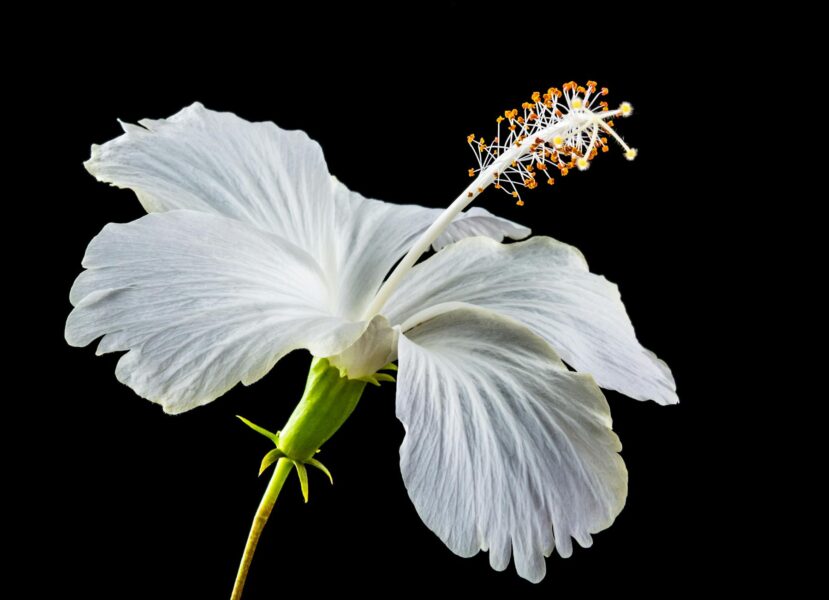
A sepal is a modified leaf that forms the outermost whorl of a flower, collectively called the calyx. Sepals primarily protect the flower bud before it opens, but they also assist in support, photosynthesis, and reproductive success.
Calyx = collective term for sepals.
Structure of a Sepal
Sepals vary in shape, color, and texture, depending on the plant species. General structural features include:
- Outer position in the flower
- Leaf-like appearance
- Presence of veins
- Attachment to the floral base
- Green pigmentation and photosynthetic cells
- Protective cuticle layer
Internally, sepals consist of epidermal layers, mesophyll tissue, veins, and sometimes nectaries.
Where Sepals Are Found in the Flower
Sepals form the first whorl of floral parts. The arrangement is:
- Calyx (sepals) – outermost
- Corolla (petals)
- Androecium (male organs)
- Gynoecium (female organs)
Morphological Features of Sepals
- Usually green, but sometimes colored
- May be free or united
- Show leaf-like venation
- Shape varies: triangular, round, narrow, or lance-shaped
Functions of Sepals
Sepals perform multiple biological and reproductive functions:
Protect the flower bud
Sepals shield immature floral organs from insects, UV rays, dehydration, and mechanical damage.
Photosynthesis
Green sepals contain chlorophyll, helping the plant produce energy.
Support petals
Sepals provide structural support to the corolla after the flower opens.
Pollination aid
In some species, colorful sepals attract insects and pollinators.
Prevent desiccation
Sepals reduce water loss around developing buds.
Fruit development support
Persistent sepals may protect the fruit during early stages.
Types of Sepals
Based on Union
| Type | Description |
|---|---|
| Polysepalous (free sepals) | Sepals remain separate, e.g., Hibiscus |
| Gamosepalous (united sepals) | Sepals fused together, e.g., Datura, Tomato |
Based on Appearance
| Type | Description |
|---|---|
| Green leaf-like sepals | Common type; protective role |
| Petaloid sepals | Sepals resemble petals, e.g., Bougainvillea |
| Colored sepals | Present in some ornamental species |
Sepal Variation in Angiosperms
Sepals show variation in:
- Number (3–5 or more)
- Color (green, purple, white, pink)
- Persistence
- Shape and texture
Some sepals remain even after fruit formation (persistent sepals), like in eggplant, guava, tomato, and strawberry.
Examples of Plants With Prominent Sepals
| Plant | Sepal Character |
|---|---|
| Hibiscus | Free, large, green sepals |
| Tomato | Persistent fused sepals |
| Bougainvillea | Petaloid colorful sepals |
| Rose | Leaf-like protective sepals |
| Datura | Tubular fused sepals |
| Guava | Persistent sepals on fruit |
Role of Sepals in Plant Reproduction
Sepals indirectly support reproduction by:
- Shielding developing floral organs
- Assisting pollination when petaloid
- Sustaining the flower’s physical structure
- Conserving water for developing tissues
Sepals help ensure successful pollination and fertilization by protecting reproductive organs during early growth.
Differences Between Sepals and Petals
| Feature | Sepals | Petals |
|---|---|---|
| Collective term | Calyx | Corolla |
| Color | Mostly green | Usually colorful |
| Function | Protection | Attraction of pollinators |
| Photosynthesis | Yes, in most species | Rare |
| Position | Outer whorl | Inner whorl |
Evolutionary Significance of Sepals
Sepals evolved from photosynthetic leaves. Over time, they adapted to:
- Improve reproductive success
- Protect delicate floral parts
- Enhance pollination strategies
Some species evolved petaloid sepals as petals reduced or disappeared.
Economic Importance of Sepals
- Source of aesthetic value in ornamental plants
- Increase fruit quality and protection
- Assist in breeding and plant propagation studies
Bougainvillea, with its showy sepals, is a major ornamental crop worldwide.
Summary
Sepals play a crucial role in plant biology. They protect flower buds, support reproduction, conduct photosynthesis, and sometimes aid in pollinator attraction. Their structure, color, and persistence vary across plant species, reflecting their evolutionary importance.
Frequently Asked Questions About Sepals
1. What is a sepal?
A sepal is a modified leaf forming the outer protective layer of a flower bud, collectively called the calyx.
2. What is the main function of a sepal?
Its primary function is to protect the developing flower bud.
3. What is calyx?
Calyx is the collective term for all the sepals of a flower.
4. Why are sepals usually green?
Sepals are green because they contain chlorophyll and perform photosynthesis.
5. Do sepals photosynthesize?
Yes, most sepals photosynthesize.
6. What are petaloid sepals?
Petaloid sepals resemble petals in color and texture, e.g., Bougainvillea.
7. What is the difference between sepals and petals?
Sepals protect the flower, while petals attract pollinators.
8. Are sepals always present?
Most flowers have sepals, but rare cases exist where they are absent.
9. What are persistent sepals?
Persistent sepals remain attached after flowering, e.g., tomato and guava.
10. How many sepals do flowers usually have?
Most flowers have 3–5 sepals, but this varies by species.
11. What is a polysepalous flower?
A flower with free sepals, e.g., Hibiscus.
12. What is a gamosepalous flower?
A flower with fused sepals, e.g., Datura.
13. Can sepals attract pollinators?
Yes, colored or petaloid sepals can attract pollinators.
14. Do sepals fall off after blooming?
Some do (deciduous), while others remain (persistent).
15. Why are sepals important in plant evolution?
Sepals evolved to protect developing reproductive structures, increasing plant survival and reproduction.