
Understanding Agribusiness: Definition, Scope, Importance, and Opportunities
Agribusiness plays a crucial role in connecting agricultural production with global markets, offering vast opportunities across farming, processing, distribution, and marketing. As the backbone of many economies, especially in developing countries, agribusiness supports food security, employment, and economic growth.
What Is Agribusiness?
Agribusiness refers to all activities involved in the production, processing, and distribution of agricultural products. It includes not just farming, but also input supply, agro-processing, marketing, logistics, and retail.
Scope of Agribusiness
Agribusiness extends beyond traditional agriculture and involves multiple sectors that work together to deliver food and raw materials to consumers.
- Input Supply
This includes the production and distribution of seeds, fertilizers, pesticides, animal feeds, machinery, and technology.
- Primary Production
Farming, fishing, livestock rearing, and forestry make up the production aspect of agribusiness.
- Agro-processing
This covers the transformation of raw farm products into finished goods—such as turning cassava into garri or milk into cheese.
- Marketing and Distribution
This involves packaging, transportation, warehousing, retailing, and export of agricultural goods.
- Agritech and Innovation
Technology now plays a huge role in precision farming, irrigation, data collection, and logistics.
Importance of Agribusiness
Agribusiness is more than just an economic sector—it influences national development, food systems, and sustainability.
- Food Security
By ensuring consistent production and distribution, agribusiness helps reduce hunger and malnutrition.
- Employment Creation
It provides jobs not only in farming but also in processing, packaging, transport, and marketing.
- Rural Development
Agribusiness boosts rural infrastructure and income, reducing urban migration.
- Economic Growth
In many countries, agribusiness contributes a significant share to GDP and export earnings.
- Value Addition
Processing and packaging agricultural products increase their shelf life and value, boosting income for producers.
Opportunities in Agribusiness
Agribusiness offers diverse investment and career opportunities, particularly as global demand for food continues to rise.
- Agritech Startups
Entrepreneurs can create digital solutions for supply chains, e-commerce, or farm management.
- Agro-processing Ventures
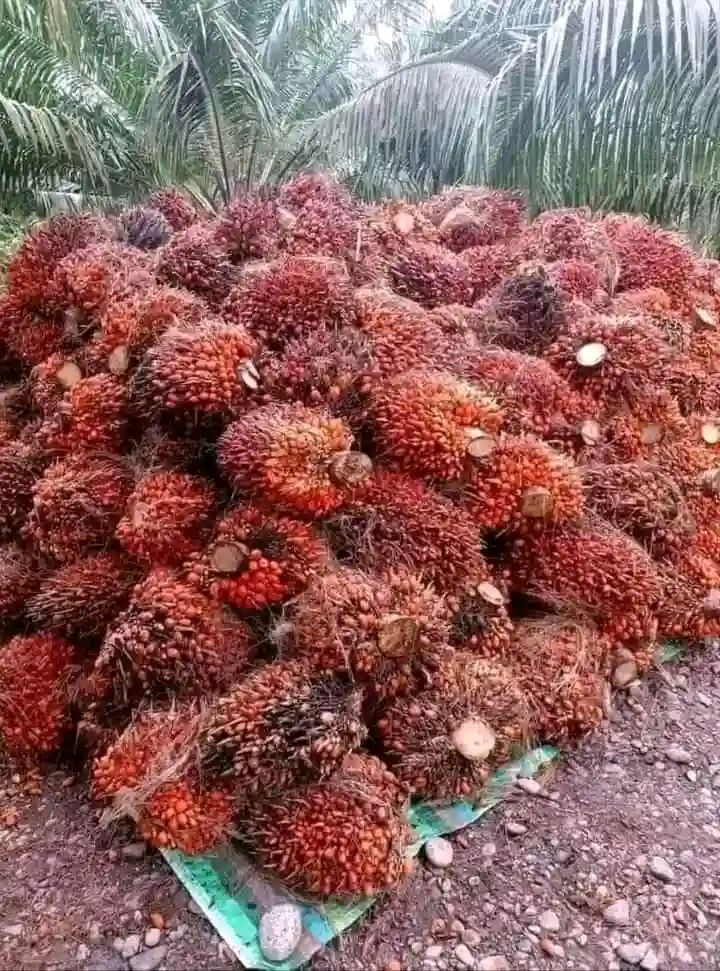
There’s huge demand for local processing plants for rice, palm oil, maize, cocoa, and vegetables.
- Export Markets
Agribusinesses can tap into international markets for products like shea butter, ginger, hibiscus, and cashew.
- Training and Consultancy
With the growing need for technical skills, agribusiness education and training services are increasingly valuable.
- Green and Organic Farming
Sustainable agriculture and eco-friendly practices are becoming profitable niches.
Challenges Facing Agribusiness
While agribusiness has huge potential, it also faces challenges that must be addressed.
- Inadequate Infrastructure
Poor roads, electricity, and storage affect distribution and increase post-harvest losses.
- Limited Access to Finance
Many smallholders and startups struggle to obtain funding due to lack of collateral or financial literacy.
- Climate Change
Unpredictable weather patterns and droughts can drastically reduce yields.
- Market Instability
Price fluctuations, policy shifts, and global market trends can affect profits.
How to Start an Agribusiness
If you want to start an agribusiness, follow these basic steps:
Step 1: Choose a Sector
Decide whether you want to focus on production, processing, retail, logistics, or tech.
Step 2: Conduct Market Research
Understand demand, pricing, competitors, and legal requirements.
Step 3: Create a Business Plan
Map out your goals, resources, marketing strategy, and financial projections.
Step 4: Register and Secure Licenses
Comply with local laws and get necessary certifications or permits.
Step 5: Secure Funding
Explore loans, grants, partnerships, or personal savings.
Step 6: Start Small and Scale
Test your business idea on a small scale and expand gradually.
gribusiness FAQs & Answers
What is agribusiness?
Agribusiness refers to the business sector encompassing farming and farming-related commercial activities. It includes the production, processing, distribution, and marketing of agricultural products.
How is agribusiness different from agriculture?
Agriculture focuses on the cultivation of crops and livestock, while agribusiness includes all the economic activities surrounding agriculture—such as supply chains, marketing, and value addition.
What are examples of agribusiness ventures?
- Poultry farming
- Fish farming
- Crop production
- Agro-processing (e.g., cassava to garri)
- Agricultural equipment leasing
- Fertilizer and seed distribution
- Is agribusiness profitable in Nigeria?
Yes, agribusiness can be highly profitable due to Nigeria’s fertile land, large population, and increasing demand for food and agricultural products. - What are the major challenges in agribusiness?
- Poor infrastructure
- Limited access to finance
- Climate change
- Pest and disease outbreaks
- Market volatility
- How can I start an agribusiness?
Start by identifying a niche, conducting market research, securing land or facilities, sourcing capital, and complying with local regulations. - Do I need formal education to succeed in agribusiness?
Not necessarily. While education helps, practical experience, mentorship, and business acumen are equally important. - What is value addition in agribusiness?
Value addition involves transforming raw agricultural products into finished or semi-finished goods, such as turning tomatoes into paste or maize into flour. - How can technology improve agribusiness?
Tech tools like mobile apps, drones, irrigation systems, and precision farming techniques can boost productivity, reduce waste, and improve decision-making. - What are agribusiness cooperatives?
These are groups of farmers or agribusiness owners who pool resources to access better markets, negotiate prices, and share equipment or knowledge. - Can agribusiness be done on a small scale?
Absolutely. Many successful agribusinesses start small—like backyard poultry or vegetable farming—and scale up over time. - What are the best crops for agribusiness in Nigeria?
Popular choices include cassava, maize, rice, tomatoes, plantain, and oil palm due to their high demand and adaptability. - How do I find a market for my agribusiness products?
Use local markets, digital platforms, cooperatives, and agro-export channels. Networking and branding also help attract buyers. - Is agribusiness suitable for young entrepreneurs?
Yes! Agribusiness offers innovation opportunities, job creation, and financial independence for youth willing to learn and adapt. - What are agro-processing businesses?
These involve converting raw farm produce into consumable or industrial products—like making juice from fruits or oil from palm kernels. - How do I finance my agribusiness?
Options include personal savings, agricultural loans, government grants, crowdfunding, and partnerships. - What government support exists for agribusiness in Nigeria?
Programs like NIRSAL, BOA loans, and CBN’s Anchor Borrowers Scheme provide financial and technical support to agribusinesses. - What role does agribusiness play in food security?
It ensures consistent food production, reduces post-harvest losses, and improves access to nutritious food across regions. - Can agribusiness be environmentally sustainable?
Yes. Practices like organic farming, crop rotation, and water conservation help protect the environment while maintaining productivity. - What skills are essential for agribusiness success?
- Business management
- Marketing
- Financial literacy
- Agricultural knowledge
- Problem-solving and adaptability
If you’d like, I can tailor these FAQs to a specific agribusiness niche—like poultry, aquaculture, or agro-processing. Want to dive deeper into one of these areas?
Conclusion
Agribusiness is a vital driver of economic transformation. With the right knowledge, strategy, and resources, individuals and nations can unlock enormous opportunities from farm to fork. From sustainable farming to innovative tech startups, agribusiness remains a powerful tool for building a prosperous and food-secure future.