
This comprehensive guide explains the structure, functions, types, variations, and evolutionary importance of the corolla in flowering plants. Learn how petals support pollination, reproduction, and plant diversity. Includes a detailed FAQ section for biology students and educators.
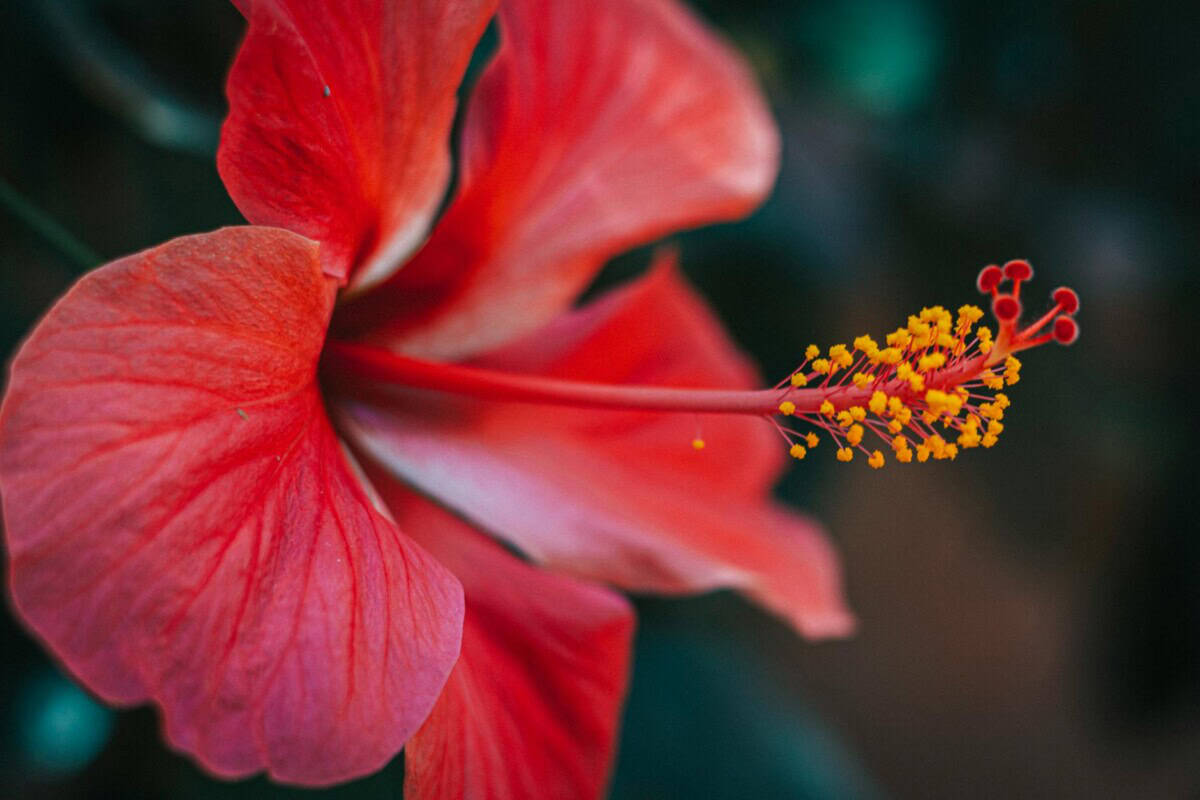
Table of Contents
- Introduction to Corolla
- Meaning and Definition of Corolla
- Structure of the Corolla
- Where the Corolla Is Found in the Flower
- Morphological Characteristics of the Corolla
- Functions of the Corolla
- Types of Corolla
- Forms of Petal Attachment
- Variation of Corolla in Angiosperms
- Examples of Plants With Distinct Corolla Types
- Role of Corolla in Pollination and Reproduction
- Differences Between Corolla and Calyx
- Evolutionary Significance of Corolla
- Economic Importance of Corolla
- Summary
- Frequently Asked Questions About Corolla
Introduction to Corolla
The corolla is one of the most visually attractive and functionally essential parts of a flower. It consists of all the petals, usually arranged around the reproductive organs. The corolla helps attract pollinators such as birds, insects, and bats, and plays a major role in the reproductive success of flowering plants.
Meaning and Definition of Corolla
The corolla is the collective term for the petals of a flower. Petals are often brightly colored, scented, and sometimes nectar-bearing, making them crucial for pollinator attraction.
Corolla = collective term for petals.
Structure of the Corolla
The corolla varies greatly in form, arrangement, color, and size among different plant species. However, most corollas share key structural features, including:
- A whorl of petals arranged above the sepals
- Distinct colors (red, white, blue, yellow, violet, and more)
- Presence of veins that transport nutrients. see more on xylem vessel and phloem
- Attachment to the receptacle or floral tube
- Soft, delicate texture compared to sepals
- Nectar guides that direct pollinators
- more on self pollination
- cross pollination
Where the Corolla Is Found in the Flower
The corolla forms the second whorl of the flower, directly above the calyx (sepals). The general arrangement of floral whorls is:
- Calyx (sepals)
- Corolla (petals)
- Androecium (male structures)
- Gynoecium (female structures)
Morphological Characteristics of the Corolla
- Usually bright and colorful
- May be free or united
- Shows diverse shapes such as tubular, bell-shaped, funnel-shaped, and more
- Often has fragrance and nectar
- Contains pigments like anthocyanins, carotenoids, and flavonoids
- Often soft and delicate in texture
Functions of the Corolla
Attraction of Pollinators
The most important role of the corolla is to attract pollinators through bright colors, patterns, nectar guides, and scents.
Protection of Reproductive Organs
The corolla shields the stamens and pistils from environmental factors and predators.
Guidance for Pollinators
Lines, color contrasts, and patterns act as visual guides leading insects toward the nectar and reproductive parts.
Support for Pollination Mechanisms
Specialized corolla structures may support landing platforms, trap mechanisms, or tubular pathways for pollinators.
Role in Reproductive Isolation
Corolla shape and size ensure that only specific pollinators can access the flower, preventing cross-species fertilization.
Types of Corolla
Based on Petal Arrangement
1. Polypetalous Corolla (Free Petals)
Petals are separate from one another.
Examples: Rose, hibiscus
2. Gamopetalous Corolla (United Petals)
Petals are fused into a single structure.
Examples: Datura, morning glory
3. Sympetalous Corolla
A type of fused corolla where petals remain united for most of their length.
Types of Corolla Based on Shape
- Campanulate (Bell-shaped): Seen in bellflower
- Rotate (Wheel-shaped): Tomato flowers
- Tubular: Sunflower disc florets
- Funnelform: Morning glory
- Bilabiate (Two-lipped): Mint family
- Papilionaceous: Legumes such as pea and bean
Forms of Petal Attachment
Valvate
Petals touch each other at the margins without overlapping.
Twisted
Each petal overlaps the next in a regular pattern.
Imbricate
Petals overlap each other irregularly.
Quincuncial
Two petals are external, two internal, and one partially overlapping.
Variation of Corolla in Angiosperms
The corolla varies in:
- Color intensity
- Number of petals
- Texture and scent
- Fusion and arrangement
- Function and pollination type
Examples of Plants With Distinct Corolla Types
- Hibiscus: Showy large polypetalous corolla
- Datura: Tubular fused corolla
- Morning Glory: Funnelform corolla
- Tomato: Rotate corolla
- Pea and Bean Plants: Papilionaceous corolla
- Mint Plants: Bilabiate corolla
Role of Corolla in Pollination and Reproduction
The corolla plays an essential role in ensuring reproductive success by:
- Attracting specific pollinators
- Enhancing pollination efficiency
- Protecting reproductive organs
- Guiding pollinators to the stigma and anthers
Differences Between Corolla and Calyx
| Feature | Corolla | Calyx |
|---|---|---|
| Collective term | Petals | Sepals |
| Color | Usually colorful | Usually green |
| Main function | Pollinator attraction | Protection of bud |
| Photosynthesis | Rare | Common |
| Position | Second whorl | Outer whorl |
Evolutionary Significance of Corolla
The corolla developed as an adaptation for pollination efficiency. Over millions of years, petals evolved unique shapes and colors to suit different pollinators. This specialization increased reproductive success and contributed to vast plant diversity.
Economic Importance of Corolla
- Essential in ornamental plants for aesthetic value
- Used in plant breeding to select desirable traits
- Supports horticultural and floriculture industries
- Determines flower market grade and commercial value
- Important in essential oil and perfume extraction
Summary
The corolla is a critical floral structure responsible for pollinator attraction, reproductive guidance, and protection of reproductive organs. Its diverse forms, colors, and arrangements make it one of the most important features of flowering plants. Understanding the corolla reveals valuable insights into plant evolution, reproduction, and ecological interactions.
Frequently Asked Questions About Corolla
1. What is the corolla of a flower?
The corolla is the collective term for all petals in a flower.
2. What is the main function of the corolla?
Its main function is to attract pollinators.
3. Why are petals brightly colored?
Bright colors help attract insects, birds, and other pollinators.
4. Are petals always colorful?
No, some petals are white or pale, depending on pollinator type.
5. What is a gamopetalous corolla?
A corolla in which petals are fused into a single tube.
6. What is a polypetalous corolla?
A corolla with separate individual petals.
7. What pigments give petals their color?
Anthocyanins, carotenoids, and flavonoids.
8. Why do petals produce fragrance?
Fragrance helps attract suitable pollinators.
9. What is a papilionaceous corolla?
A butterfly-shaped corolla, common in legumes.
10. Do all flowers have a corolla?
No, some flowers lack petals entirely.
11. What is valvate aestivation?
Petals touch but do not overlap.
12. What is twisted aestivation?
Each petal overlaps the next in a regular spiral.
13. Can corolla structure help identify plant families?
Yes, many plant families have characteristic corolla forms.
14. What is the economic value of petals?
They are essential in floriculture and perfume production.
15. Do petals assist in reproduction?
Yes, they guide pollinators, protect organs, and support fertilization.
- corolla in plants
- structure of corolla
- functions of corolla
- types of corolla
- polypetalous corolla
- gamopetalous corolla
- petal structure and function
- flower corolla definition
- importance of corolla in pollination
- corolla vs calyx
perianth, tepals, androecium, gynoecium, stigma, style, or receptacle.