
The anther is one of the most essential reproductive structures in flowering plants. Without it, pollen grains—the carriers of male gametes—cannot form, and sexual reproduction in plants cannot take place. The anther sits as a key part of the stamen and produces pollen grains that fertilize the female gametophyte. This article explains the structure and function of the anther, along with its development stages, types, and significance in plant biology, agriculture, and breeding technology.
Table of Content
- Introduction to Anther
- Definition of Anther
- Location of Anther in a Flower
- Structure of Anther
- Anther Lobes
- Microsporangia
- Pollen Sacs
- Anther Wall Layers
- Epidermis
- Endothecium
- Middle Layers
- Tapetum
- Development of Anther (Microsporogenesis)
- Formation of Microspore Mother Cells
- Meiosis and Tetrad Formation
- Maturation of Pollen Grains
- Types of Anthers
- Basifixed
- Dorsifixed
- Versatile
- Adnate
- Dehiscence of Anther
- Function of Anther
- Importance of Anther in Pollination
- Role of Anther in Plant Breeding and Biotechnology
- Differences Between Anther and Stigma
- Economic Importance of Anther and Pollen
- Summary
- FAQs
Introduction to Anther
Flowering plants reproduce mainly through sexual means. Reproductive structures within flowers exist to support fertilization. Among these structures, the stamen—the male reproductive organ—plays a key role. The anther, located at the top of the stamen, produces and releases pollen grains. These pollen grains travel to the stigma for fertilization to occur. In agriculture, forestry, plant breeding, and botany, the understanding of anther biology is fundamental.
Definition of Anther
An anther is the terminal, pollen-producing part of the stamen in flowering plants. It contains pollen sacs where pollen grains develop and mature before release.
Location of Anther in a Flower
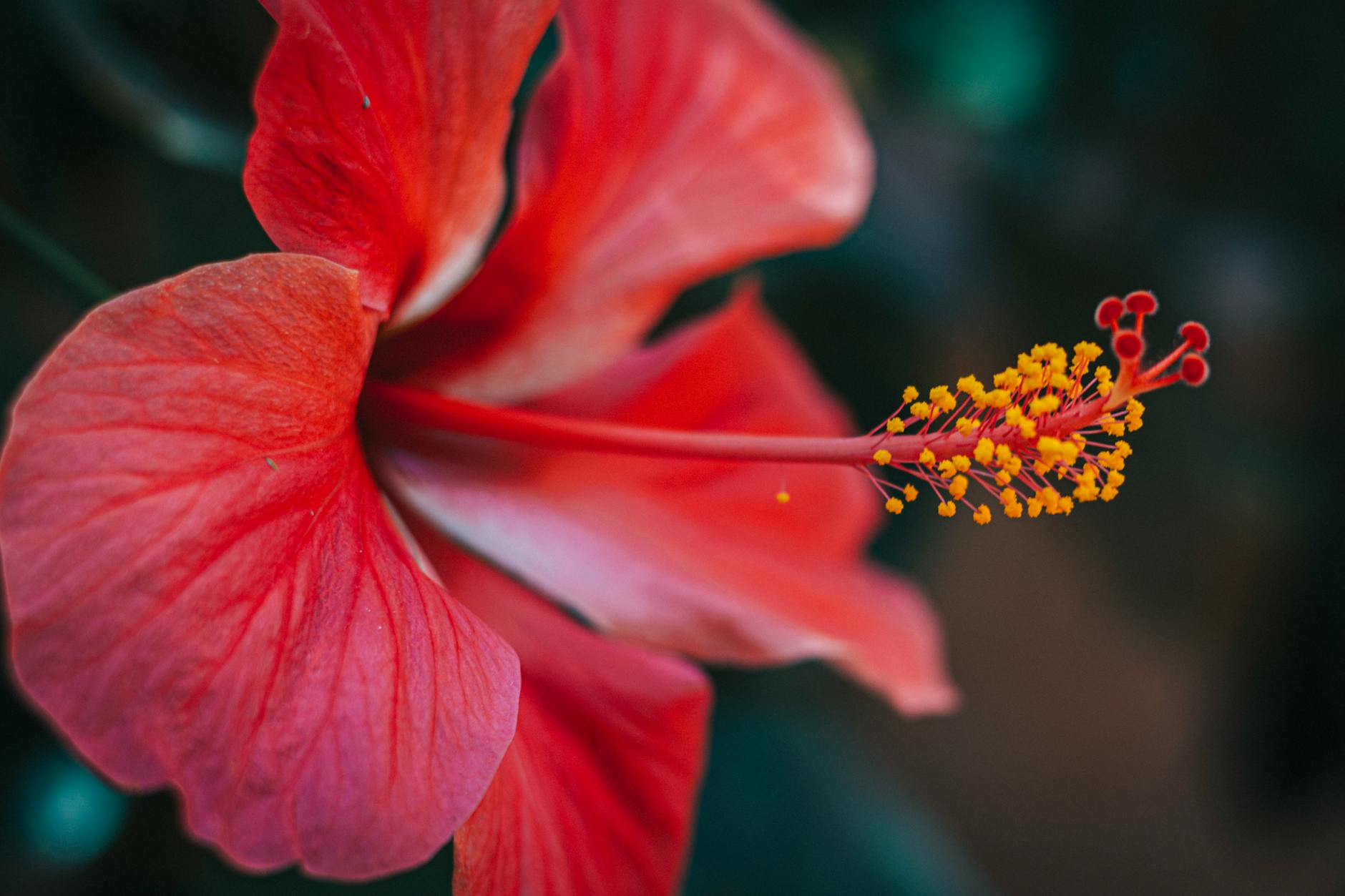
The anther sits at the tip of the filament, which forms the stamen. You can observe anthers easily in flowers like lily, hibiscus, sunflower, or maize tassels.
Structure of Anther
A typical anther appears:
- Yellow (due to pollen)
- Bilobed (two lobes)
- Two pollen sacs per lobe (total four)
Each pollen sac houses pollen mother cells that eventually form pollen grains.
Anther Lobes
A mature anther has two lobes, called dithecous anther.
Microsporangia
Within each lobe lies two microsporangia, totaling four. Each microsporangium later becomes a pollen sac.
Pollen Sacs
These sacs are chambers that produce and store pollen grains until dehiscence.
Anther Wall Layers
The anther wall surrounds pollen sacs and consists of four main layers:
1. Epidermis
The outermost protective layer.
2. Endothecium
Provides support and helps anther open during dehiscence due to thickened cell walls.
3. Middle Layers
Temporary cell layers that degenerate during pollen development.
4. Tapetum
The innermost nutritive layer. It nourishes the developing pollen cells. Tapetum secretes enzymes and nutrients essential for pollen wall formation.
Development of Anther (Microsporogenesis)
Microsporogenesis refers to the process where microspore mother cells divide to form pollen grains.
Formation of Microspore Mother Cells
Cells inside the microsporangium differentiate into microspore mother cells (MMC).
Meiosis and Tetrad Formation
MMC undergo meiosis, producing four haploid microspores arranged as a tetrad.
Maturation of Pollen Grains
Each microspore matures into a pollen grain, which eventually carries the male gametes.
Types of Anthers
Basifixed
Attached at the base to the filament.
Dorsifixed
Attached at the back.
Versatile
Attached at one point, allowing free movement—seen in grasses.
Adnate
Attached by the entire length of the filament.
Dehiscence of Anther
Anther dehiscence refers to the mechanism by which anthers open to release pollen. The endothecium helps split the anther through longitudinal slits.
Function of Anther
- Produces pollen grains
- Stores pollen until maturity
- Releases pollen for pollination
- Supports fertilization
- Plays a role in plant genetic diversity
Importance of Anther in Pollination
Pollination—either self or cross—depends on pollen transfer. Without functional anthers, there is no pollen and therefore no sexual reproduction. Animals, wind, insects, and humans assist pollen transfer.
Role of Anther in Plant Breeding and Biotechnology
- Used in anther culture to produce haploid plants
- Helps in development of pure lines
- Enables hybrid development
- Assists in studying plant genetics
Anther culture produces doubled haploid plants, speeding up crop improvement.
Differences Between Anther and Stigma
| Feature | Anther | Stigma |
|---|---|---|
| Role | Produces pollen | Receives pollen |
| Gender Function | Male reproductive part | Female reproductive part |
| Location | Top of filament | Top of style |
| Function | Pollen formation & release | Pollen germination site |
Economic Importance of Anther and Pollen
- Used in artificial hybridization
- Supports crop breeding programs
- Helps produce disease-resistant crops
- Essential in seed industry and food production
Summary
The anther serves as the pollen factory of flowering plants. It generates pollen grains through microsporogenesis and releases them through dehiscence. Understanding anther structure and function supports studies in botany, agriculture, biotechnology, and environmental science.
Infographic Prompt for Designer
Title: Structure and Function of Anther
Sections to Include:
- Location in flower
- 4 pollen sacs diagram
- Anther wall layers (Epidermis, Endothecium, Middle layers, Tapetum)
- Microsporogenesis flow: MMC → Tetrad → Pollen grain
- Types: Basifixed, Dorsifixed, Versatile, Adnate
Include fabioclass.com branding.
Frequently Asked Questions
What is the main function of the anther?
The main function of the anther is to produce and release pollen grains that carry male gametes necessary for fertilization in flowering plants.
How many pollen sacs are in a typical anther?
A typical anther has four pollen sacs, each forming pollen grains.
What is the role of the tapetum?
The tapetum nourishes developing pollen grains and helps form their outer walls.
Why does the anther split open?
Anther splits open during dehiscence to release mature pollen, mainly due to endothecium cell thickening.
What is microsporogenesis?
Microsporogenesis is the process where microspore mother cells undergo meiosis to form pollen grains.
How is anther culture used in plant breeding?
Anther culture produces haploid plants, useful for making pure genetic lines quickly.
Can plants survive without anthers?
Plants with defective anthers cannot produce pollen and therefore cannot reproduce sexually, although some may propagate vegetatively.
What causes male sterility in plants?
Genetic mutations, cytoplasmic factors, environmental stress, or chemical treatment can cause male sterility by affecting anther or pollen production.
Which plants have versatile anthers?
Grasses, such as wheat, maize, and rice, have versatile anthers that swing freely.
What is inside a pollen sac?
Pollen sacs contain microspore mother cells, developing microspores, and mature pollen grains.
Just tell me which one you want next.