
Ovary: Structure , Function, and Importance in Plant and Animal Reproduction
Explore the detailed structure, function, and role of the ovary in both plants and animals. Learn how ovaries control reproduction, hormone production, and fruit formation.
Table of Contents
- Introduction
- What Is an Ovary?
- Structure of the Ovary in Animals
- External Features
- Internal Anatomy
- Functions of the Ovary in Animals
- Oogenesis
- Hormone Secretion
- Role in Reproductive Cycle
- Structure of the Ovary in Plants
- Position and Location
- Parts of the Ovary
- Ovule Development
- Functions of the Ovary in Plants
- Ovule Protection
- Fertilization and Fruit Formation
- Seed Development
- Differences Between Plant and Animal Ovaries
- Importance of the Ovary in Reproduction
- Disorders and Diseases of the Ovary
- In Animals (Including Humans)
- In Plants
- Summary
- Frequently Asked Questions (FAQs)
Introduction
The ovary is one of the most important reproductive organs in both plants and animals. It plays a dual role in producing reproductive cells and in secreting essential hormones that regulate reproductive activities. In animals, the ovary produces ova (eggs) and releases hormones like estrogen and progesterone. In plants, the ovary forms the base of the pistil, housing ovules that develop into seeds after fertilization. see more on oestrous cycle in animals
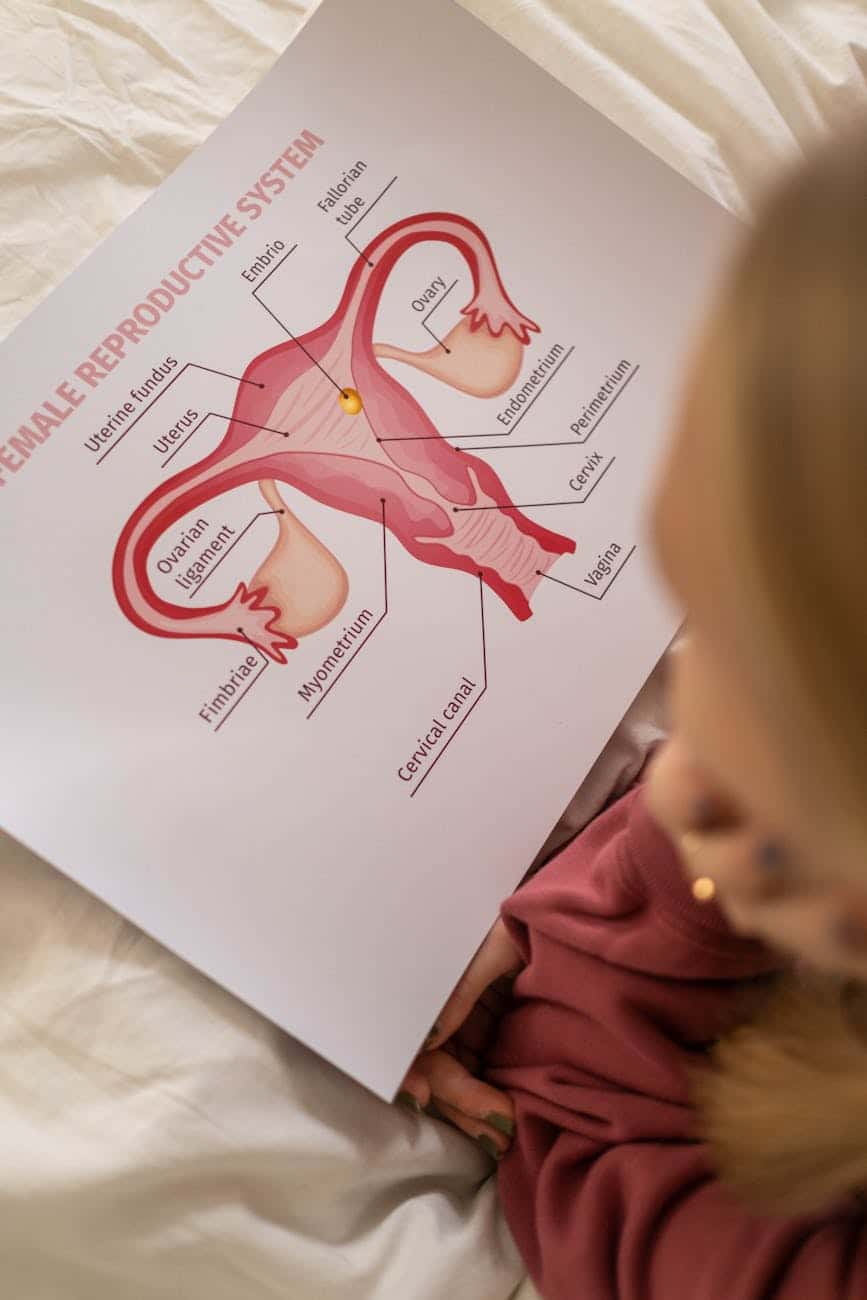
Understanding the structure and function of the ovary helps explain the continuity of life through reproduction and highlights its importance in growth, fertility, and species survival.
What Is an Ovary?
An ovary is a specialized organ that produces female reproductive cells—known as ova in animals and ovules in plants. It also serves as a site for fertilization and plays a key role in the development of seeds and fruits in plants, and in the menstrual and hormonal cycles in animals.
Structure of the Ovary in Animals
External Features
In animals, especially mammals, the ovaries are small, oval-shaped organs located within the lower abdominal cavity. Their size and shape vary depending on species, age, and reproductive status. Typically, a female has two ovaries, one on each side of the uterus.
The ovaries are held in place by ligaments such as:
- Ovarian ligament: attaches the ovary to the uterus.
- Suspensory ligament: connects it to the pelvic wall.
- Mesovarium: attaches the ovary to the broad ligament of the uterus.
Internal Anatomy
The ovary in animals consists of two main regions:
- Cortex: The outer region where ovarian follicles are found. Each follicle contains an immature ovum surrounded by granulosa cells.
- Medulla: The inner region containing blood vessels, lymphatics, and nerves.
Within the cortex, follicles undergo various stages of development—from primordial to Graafian follicles—before ovulation occurs.
Functions of the Ovary in Animals
Oogenesis
The ovary is responsible for oogenesis, the process of egg formation. It begins before birth and continues until menopause. Mature eggs (ova) are released during ovulation, typically once during each menstrual or estrous cycle.
Hormone Secretion
Ovaries produce essential sex hormones that regulate reproductive and secondary sexual characteristics:
- Estrogen: Promotes development of female reproductive structures and secondary sexual traits.
- Progesterone: Prepares the uterus for pregnancy and maintains early pregnancy.
- Inhibin: Regulates the secretion of follicle-stimulating hormone (FSH).
Role in Reproductive Cycle
The ovary plays a vital role in the menstrual cycle, controlling ovulation and hormone balance. The cyclical release of ova ensures regular fertility and prepares the body for potential conception.
Structure of the Ovary in Plants
Position and Location
In flowering plants, the ovary forms the basal swollen part of the carpel or pistil—the female reproductive organ. It is located below the style and stigma. The ovary’s position in relation to other floral parts helps classify flowers as:
- Superior ovary: Above other floral parts (e.g., lily).
- Inferior ovary: Below other floral parts (e.g., cucumber).
- Half-inferior ovary: Partly enclosed by other floral parts (e.g., rose).
Parts of the Ovary
The ovary in plants has:
- Ovules: The structures that develop into seeds after fertilization.
- Placenta: The tissue where ovules attach inside the ovary.
- Locules: The chambers containing the ovules (may be single or multiple).
Ovule Development
Each ovule consists of:
- Nucellus: The nutritive tissue.
- Integuments: Protective layers that later form the seed coat.
- Embryo sac: Contains the egg cell and other nuclei involved in fertilization.
Functions of the Ovary in Plants
Ovule Protection
The ovary safeguards developing ovules from desiccation, damage, and external factors before fertilization.
Fertilization and Fruit Formation
After pollination, pollen grains fertilize the ovules within the ovary. The fertilized ovules become seeds, and the ovary itself transforms into a fruit, enclosing and protecting the seeds.
Seed Development
The ovary plays a central role in seed formation, ensuring genetic diversity through sexual reproduction and aiding in plant propagation and survival.
Differences Between Plant and Animal Ovaries
| Feature | Animal Ovary | Plant Ovary |
|---|---|---|
| Main Function | Produces ova and hormones | Produces and protects ovules |
| Fertilization Site | Fallopian tube or oviduct | Inside the ovary |
| Post-Fertilization Product | Embryo (in uterus) | Fruit and seeds |
| Hormone Secretion | Yes (estrogen, progesterone) | No hormones |
| Number | Usually two | One per flower (may be compound) |
Importance of the Ovary in Reproduction
The ovary ensures the continuation of life by producing reproductive cells and enabling fertilization. In animals, it regulates hormonal balance, fertility, and pregnancy. In plants, it leads to fruit and seed formation, crucial for crop production and ecosystem sustainability.
Without functional ovaries, reproduction in both plants and animals would cease, disrupting natural and agricultural life cycles.
Disorders and Diseases of the Ovary
In Animals (Including Humans)
- Polycystic Ovary Syndrome (PCOS): Characterized by cyst formation and hormonal imbalance.
- Ovarian Cancer: Uncontrolled growth of ovarian cells.
- Ovarian Failure: Loss of ovarian function before normal age.
- Cysts: Fluid-filled sacs that can affect ovulation.
In Plants
- Ovary Abortion: Failure of ovary development, often due to nutrient deficiency or stress.
- Ovary Malformation: Structural deformities affecting fertilization.
- Pollination Failure: Results in undeveloped or sterile ovaries.
Summary
The ovary is a vital organ in both plant and animal reproduction. In animals, it produces ova and hormones essential for fertility and development. In plants, it houses ovules and transforms into fruit after fertilization. The ovary’s role extends beyond reproduction—it supports life continuity, species evolution, and agricultural productivity.
Frequently Asked Questions (FAQs)
What is the main function of the ovary?
The ovary produces female gametes—ova in animals and ovules in plants—and facilitates reproduction through hormone secretion or fruit formation.
How many ovaries do humans have?
Humans have two ovaries, one on each side of the uterus.
What are ovarian follicles?
Ovarian follicles are fluid-filled sacs in the ovary that contain immature egg cells and provide them with nutrients as they develop.
What hormones are produced by the ovary?
The primary hormones are estrogen, progesterone, and inhibin.
How does the ovary change during the menstrual cycle?
Each cycle, a follicle matures and releases an egg during ovulation, while hormone levels fluctuate to prepare the uterus for pregnancy.
What happens to the ovary after menopause?
After menopause, the ovaries stop releasing eggs and producing significant amounts of estrogen and progesterone.
What is the difference between ovule and ovary in plants?
The ovule is the structure that becomes a seed after fertilization, while the ovary is the part of the flower that contains and protects the ovules.
Can plants have more than one ovary?
Yes, compound flowers or fused carpels can have multiple ovaries forming complex fruits.
What causes ovary abortion in plants?
Poor pollination, nutrient deficiency, or environmental stress can cause ovary abortion.
How does fertilization occur inside the ovary?
In animals, sperm fertilizes the egg in the oviduct. In plants, pollen nuclei travel through the style to fertilize the ovule inside the ovary.
What are locules in plant ovaries?
Locules are the chambers within the ovary that house the ovules.
Why is the ovary called a female reproductive organ?
Because it produces female gametes and supports the processes of fertilization and development.
How does the ovary form a fruit?
After fertilization, the ovary wall thickens and ripens to form the fruit that encloses the seeds.
Can an animal survive without ovaries?
Yes, but it will be infertile and may experience hormonal imbalances since the ovaries control key reproductive hormones.
What is the superior and inferior ovary in flowers?
A superior ovary sits above the attachment of other floral parts, while an inferior ovary lies below them.