
Trypanosomiasis: Causes, Symptoms, and Treatment. The disease exists in two main forms: African Trypanosomiasis (sleeping sickness) and American Trypanosomiasis (Chagas disease).
Introduction
Trypanosomiasis is a serious parasitic disease that affects humans and animals. It is caused by protozoan parasites of the genus
Trypanosoma. The disease exists in two main forms: African Trypanosomiasis (sleeping sickness) and American Trypanosomiasis (Chagas disease).
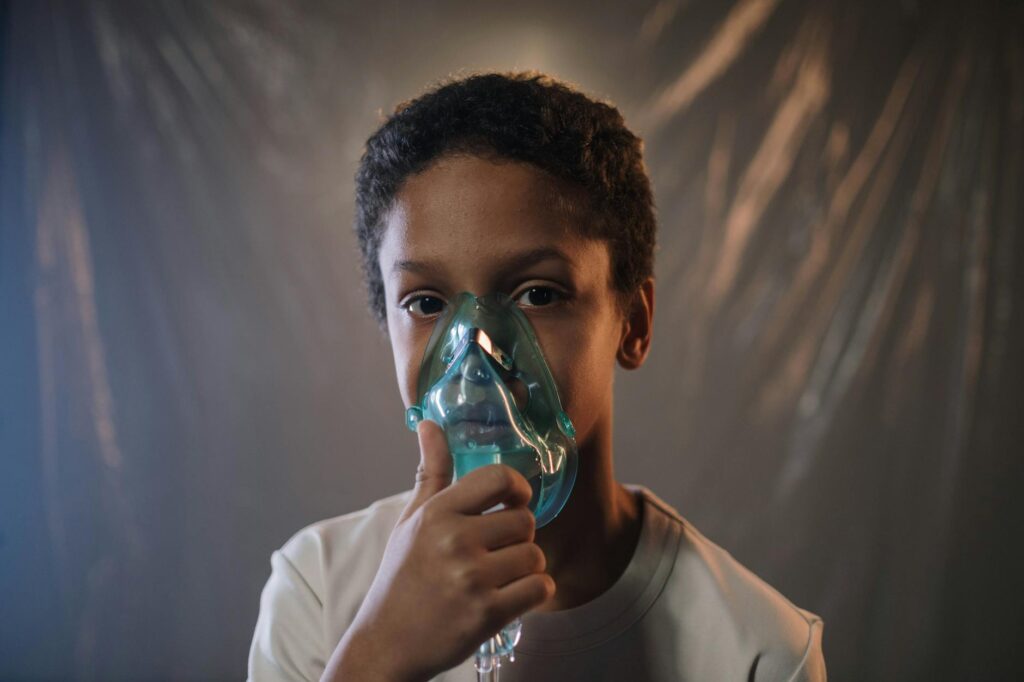
Both forms have significant health impacts, especially in endemic regions. Understanding the life cycle, symptoms, treatment, and prevention is crucial to controlling this disease.
Frequently Asked Questions (Part 1)
- What is Trypanosomiasis? Trypanosomiasis is a parasitic disease caused by protozoa of the genus Trypanosoma.
- What are the types of Trypanosomiasis? The main types are African Trypanosomiasis (sleeping sickness) and American Trypanosomiasis (Chagas disease).
- How is African Trypanosomiasis transmitted? It is transmitted through the bite of an infected tsetse fly.
- How is Chagas disease transmitted? It is transmitted by triatomine bugs, also called “kissing bugs”, through their feces.
- What are the early symptoms of sleeping sickness? Fever, headaches, joint pains, and itching are early signs.
- What are the late symptoms of sleeping sickness? Confusion, poor coordination, and sleep disturbances occur in the neurological stage.
- How can Chagas disease affect the heart? Chronic Chagas disease can cause heart rhythm abnormalities, heart failure, and enlarged heart.
Causes of Trypanosomiasis
Trypanosomiasis is caused by infection with species of the protozoan parasite Trypanosoma. The two main species affecting humans are:
- Trypanosoma brucei: Responsible for African Trypanosomiasis.
- Trypanosoma cruzi: Responsible for American Trypanosomiasis (Chagas disease).
These parasites have complex life cycles involving insect vectors and mammalian hosts.
Transmission
Transmission occurs through insect bites:
African Trypanosomiasis
The tsetse fly (Glossina spp.) is the primary vector. When an infected fly bites a human, the parasite enters the bloodstream. The parasite multiplies and spreads to various tissues, including the central nervous system.
Chagas Disease
Triatomine bugs, or “kissing bugs,” transmit T. cruzi. The parasites are present in the insect’s feces. When the bug bites, humans may inadvertently rub the feces into the bite wound or eyes. Other routes include blood transfusion, organ transplantation, and congenital transmission.
Symptoms of Trypanosomiasis
Symptoms vary depending on the form of the disease and the stage of infection.
African Trypanosomiasis
- Early Stage: Fever, headaches, joint pain, and itching.
- Late Stage: Neurological involvement leads to confusion, sensory disturbances, poor coordination, and sleep cycle disruption—hence “sleeping sickness.”
American Trypanosomiasis (Chagas disease)
- Acute Stage: Fever, fatigue, body aches, headache, rash, loss of appetite, diarrhea, and vomiting.
- Chronic Stage: Can remain asymptomatic for years. Later complications include heart disease, digestive tract enlargement, and nerve damage.
Diagnosis
Diagnosis involves identifying the parasite:
- Blood smear examination.
- Lymph node aspirates for T. brucei.
- Cerebrospinal fluid analysis in late-stage African Trypanosomiasis.
- Serological tests and PCR for Chagas disease.
Treatment
Treatment depends on the disease type and stage:
African Trypanosomiasis
- Pentamidine: Early-stage treatment for T. brucei gambiense.
- Suramin: Early-stage treatment for T. brucei rhodesiense.
- Eflornithine: Late-stage treatment for T. brucei gambiense.
- Nifurtimox-eflornithine combination therapy: Recommended for advanced cases.
Chagas Disease
- Benznidazole and Nifurtimox: Effective in acute and early chronic infections.
- Supportive care: For chronic cases with heart or digestive complications.
Prevention
Preventive strategies focus on vector control and reducing exposure:
- Using insect repellents and protective clothing.
- Improving housing to prevent triatomine bug infestation.
- Regular screening of blood donors in endemic areas.
- Vector control programs, including insecticide spraying and habitat management.
- Public awareness campaigns about sleeping sickness and Chagas disease.
Impact on Human and Animal Health
Trypanosomiasis significantly affects public health and livestock productivity:
- Human health: Neurological complications, chronic heart disease, and mortality.
- Livestock: Animal trypanosomiasis reduces meat and milk production, causing economic losses.
- Socioeconomic: Endemic regions face high medical costs and labor shortages due to disease burden.
Life Cycle of Trypanosoma Parasites
The life cycle of Trypanosoma involves complex stages in both the vector and mammalian host:
African Trypanosomiasis
- Tsetse fly ingests blood containing trypomastigotes.
- Parasites multiply in the fly’s midgut.
- Infective metacyclic trypomastigotes migrate to salivary glands.
- Fly bites human, transmitting parasites into the bloodstream.
- Parasites multiply and invade tissues, including the CNS.Chagas Disease
- Triatomine bug ingests blood with trypomastigotes.
- Parasites develop into epimastigotes in the insect gut.
- Infective trypomastigotes are present in feces.
- Parasites enter humans through mucous membranes or wounds.
- Intracellular multiplication occurs as amastigotes in tissues. Frequently Asked Questions (Part 2)
- Can Trypanosomiasis be fatal? Yes, if untreated, African Trypanosomiasis is usually fatal. Chronic Chagas disease can also lead to death due to heart complications.
- Is there treatment for Trypanosomiasis? Yes, drugs like pentamidine, suramin, eflornithine, and benznidazole are used depending on the disease type and stage.
- Can Trypanosomiasis be prevented? Prevention includes avoiding tsetse fly bites, vector control, and screening blood donors in endemic regions.
- Which animals carry Trypanosoma parasites? Cattle, pigs, dogs, and wild animals can be reservoirs for the parasite.
- Is Trypanosomiasis contagious between humans? No, it is not transmitted directly from person to person.
- Where is African Trypanosomiasis common? It is mainly found in sub-Saharan Africa.
- Where is Chagas disease common? It is mostly found in Latin America.
- How is diagnosis done? Diagnosis is confirmed by detecting parasites in blood, lymph node aspirates, or cerebrospinal fluid.
Conclusion
Trypanosomiasis remains a major parasitic disease with severe health and economic consequences. Early diagnosis, proper treatment, and preventive measures are essential to control both African and American forms. Public awareness, vector management, and ongoing research are critical to reducing disease burden in endemic regions.
Originally posted 2025-08-27 03:09:52.