
Nomadic farming, also known as pastoralism, is a traditional method of agriculture that involves the raising of livestock by migrating from one place to another in search of grazing land and water sources.
This type of farming has been practised by various cultures around the world for thousands of years and has played a crucial role in the livelihoods of many communities. In this blog post, we will discuss the history, methods, benefits, and challenges of nomadic farming.
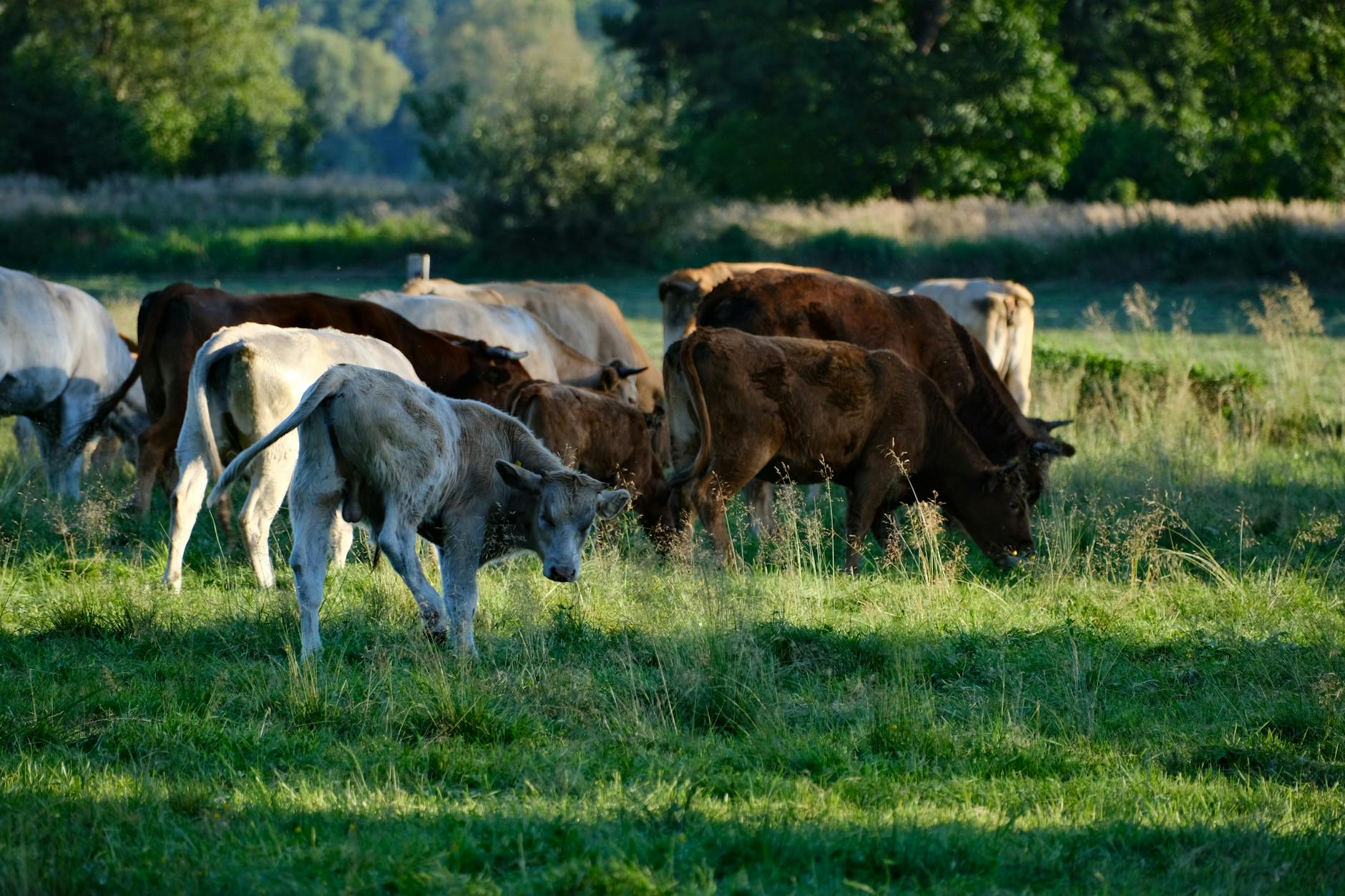
History of Nomadic Farming
Nomadic farming has been practised by various cultures around the world for thousands of years. In Africa, for example, the Maasai people of Kenya and Tanzania have been practising nomadic farming for centuries.
They raise cattle, sheep, and goats, and migrate seasonally to find grazing land and water sources. In Mongolia, nomadic herders have been raising horses, yaks, camels, and goats for thousands of years.
They move their herds in search of grazing land and water sources, and their way of life is closely tied to the vast open grasslands of the country.
Methods of Nomadic Farming
Nomadic farming involves the raising of livestock by migrating from one place to another in search of grazing land and water sources. The livestock raised can vary depending on the region and culture but typically include cattle, sheep, goats, horses, camels, and yaks.
The herders move their herds in search of fresh grazing land and water sources and often use traditional knowledge and methods to navigate the landscape.
The herders also use a variety of tools and equipment to manage their herds, including tents, corrals, and livestock management tools. In some regions, such as Mongolia, they use a traditional tent called a ger, which is easy to set up and take down and can be moved quickly.
Benefits of Nomadic Farming
Nomadic farming has several benefits, both for the herders and the environment. One of the primary benefits is that it allows for the sustainable use of natural resources.
The herders move their herds in search of fresh grazing land and water sources, allowing the vegetation and water sources to regenerate and recover. This helps to prevent overgrazing and soil erosion and ensures that the ecosystem remains healthy and productive.
Nomadic farming also provides an important source of food and income for many communities around the world. The livestock raised by the herders can be used for food, clothing, and other products, and can be sold in local markets or traded with other communities. more on the importance of agriculture
In addition, nomadic farming often provides an important cultural identity for the herders and is an integral part of their way of life.
Challenges of Nomadic Farming
Despite its many benefits, nomadic farming also faces several challenges. One of the primary challenges is the changing climate and environmental conditions. here is of climatic and biotic factors facing agriculture
As the climate changes, the availability of grazing land and water sources can become unpredictable, making it more difficult for the herders to maintain their way of life.
In addition, changes in land use, such as the expansion of agriculture or mining, can also have a negative impact on the herders\’ ability to find grazing land and water sources.
Another challenge faced by nomadic herders is the loss of traditional knowledge and practices. As younger generations move to urban areas and become less connected to their cultural heritage, the knowledge and skills needed for nomadic farming can be lost.
This can make it more difficult for the herders to adapt to changing conditions and maintain their way of life.
Nomadic farming is a traditional method of agriculture that has been practised by various cultures around the world for thousands of years. It involves the raising of livestock by migrating from one place to another in search of grazing land and water sources. Nomadic farming offers several benefits, including the sustainable use of natural
nomadic farming is essentially the movement of the herdsman and his flock from one place to another, in search of food and water. It can also be a movement away from areas of pest and disease infestation.
For example, the Fulani nomadic farmers move their stock from the Northern part of Nigeria toward the Southern part, in search of water and green grass, where they can feed during the dry season when the grasses in the North must have dried up.
Reasons for Movement of Herdsmen Southwards during Dry Season
i. Abundance of forage in the south but a scarcity of forage in the north because of the unequal rainfall distribution in the dry season.
ii. Water scarcity in the north during the dry season forces them to move their animals southwards in search of water.
Problems associated with the movement of herdsmen
(i) Exposes animals to natural hazards.
(ii) Death of animals due to fatigue from travelling long distances.
(iii) Movement of animals causes the destruction of the soil structure (compaction).
(iv) New diseases are easily introduced into another area.
(v) Indiscriminate mating in the herds leads to the transmission of undesirable traits.
(vi) Diseases spread easily within the herds.
(vii) Animals cause damage to cultivated crops along their route. read animal pests here
(viii) Damage to crops brings about serious conflict/clashes between the herdsmen and local farmers
(i) It exposes the herdsmen to dangers such as extremes of climatic conditions, wild animals, diseases and armed banditry attacks.
(x) New pests are easily introduced into another area.
(xi) It encourages cattle rustling.
(xii) Neglect of formal education for the children of herdsmen.
Solutions to the problems of the herdsmen movement
(i) Provision of adequate security against theft.
(ii) Disease/pest-resistant animals should be reared.
(iii) Provision of nomadic schools in strategic locations.
(iv) Provision of irrigation facilities during the dry season in the north/Savannah region to help in the artificial pastures.
(v) Establishment of grazing reserves at strategic locations in the north by the government, which is ranching.
(vi) Preservation of fodder which are in abundance in the south into hay and silage and transported to the north during the dry season.
(vii) Provision of cattle tracks/paths for easy passage of herds to prevent the destruction of crops along their route.
(viii) Castration of animals with undesirable traits long before the journey.
(ix) Payment of compensation for damage caused to crops.
(x) Both herdsmen and animals should be vaccinated regularly.
pos and cons of nomadic farming system
ADVANTAGES of nomadic farmers
The movement of the stock enables the animals to feed (types of feeds) in areas where water and food are available, thereby preventing the animals from starvation and death
Disadvantages of nomadic farming
i. Very poor quality and undersized animals are produced
ii. There is no pasture management
iii. No regular supply of food and water
iv. Animals are exposed to injuries, pests, diseases and death
v. The herdsmen are equally exposed to all sorts of danger and death
vi. Clashes often occur between the herdsmen and crop farmers during migration and grazing when animals graze and destroy crops.
Here are 15 FAQs and answers on the nomadic farming system:
FAQ: Nomadic Farming System
- Q: What is nomadic farming?
A: Nomadic farming is a type of agricultural practice where farmers move from one place to another with their livestock in search of food and water. - Q: What are the benefits of nomadic farming?
A: Nomadic farming allows for efficient use of natural resources, promotes biodiversity, and provides a sustainable livelihood for many communities. - Q: What types of livestock are typically raised in nomadic farming?
A: Nomadic farmers typically raise livestock such as sheep, goats, cattle, and camels. - Q: How do nomadic farmers manage their livestock’s nutrition?
A: Nomadic farmers manage their livestock’s nutrition by moving them to different grazing areas in search of food and water. - Q: What are the challenges faced by nomadic farmers?
A: Nomadic farmers face challenges such as climate change, land degradation, and limited access to markets and services. - Q: How do nomadic farmers adapt to climate change?
A: Nomadic farmers adapt to climate change by changing their migration patterns, using drought-resistant crops, and implementing other climate-resilient practices. - Q: What is the role of women in nomadic farming?
A: Women play a crucial role in nomadic farming, contributing to livestock management, household income, and community well-being. - Q: How do nomadic farmers preserve their traditional knowledge?
A: Nomadic farmers preserve their traditional knowledge through oral traditions, apprenticeships, and community-based initiatives. - Q: What is the impact of modernization on nomadic farming?
A: Modernization can have both positive and negative impacts on nomadic farming, including increased access to markets and services, but also potential loss of traditional practices and cultural heritage. - Q: How can nomadic farming be supported and promoted?
A: Nomadic farming can be supported and promoted through initiatives such as sustainable land management, access to markets and services, and recognition of indigenous rights. - Q: What are the environmental benefits of nomadic farming?
A: Nomadic farming can promote environmental benefits such as biodiversity conservation, soil health, and efficient use of natural resources. - Q: How do nomadic farmers manage their livestock’s health?
A: Nomadic farmers manage their livestock’s health through traditional veterinary practices, monitoring of animal health, and use of natural remedies. - Q: What is the significance of nomadic farming in different cultures?
A: Nomadic farming is significant in many cultures, providing a way of life, cultural identity, and traditional practices. - Q: How can nomadic farming contribute to food security?
A: Nomadic farming can contribute to food security by providing a sustainable source of meat, dairy, and other animal products. - Q: What are the future prospects of nomadic farming?
A: The future prospects of nomadic farming depend on factors such as climate change, land use policies, and market trends, but with proper support and recognition, nomadic farming can continue to thrive.
- nomadic farming,” “livestock management,” “sustainable agriculture,” and “indigenous practices.”
- “benefits of nomadic farming,” “challenges faced by nomadic farmers,” and “role of women in nomadic farming.”
- “Learn about nomadic farming, its benefits, challenges, and significance in different cultures. Discover how nomadic farming can contribute to sustainable agriculture and food security.”
- IRRIGATION AND DRAINAGE
19. IRRIGATION SYSTEMS
20. INCUBATORS
21. MILKING MACHINE
22. SIMPLE FARM TOOLS
23. AGRICULTURAL MECHANIZATION
24. THE CONCEPT OF MECHANIZATION
25. PROBLEMS OF MECHANIZATION
26. SURVEYING AND PLANNING OF FARMSTEAD
27. IMPORTANCE OF FARM SURVEY
28. SURVEY EQUIPMENT
29. PRINCIPLES OF FARM OUTLAY
30. SUMMARY OF FARM SURVEYING
31. CROP HUSBANDRY PRACTICES
32. PESTS AND DISEASE OF MAIZE- ZEA MAYS
33. CULTIVATION OF MAIZE CROP
34. OIL PALM
35. USES OF PALM OIL
36. MAINTENANCE OF PALM PLANTATION
37. COCOA
Originally posted 2025-09-08 13:45:15.