
What are weed control methods? how do we recognize a weed in order to kill it?
Weeds are unwanted plants that compete with cultivated plants for resources and can significantly reduce crop yield and quality.
Effective weed control methods are crucial for maintaining the health and productivity of gardens, lawns, and agricultural fields.
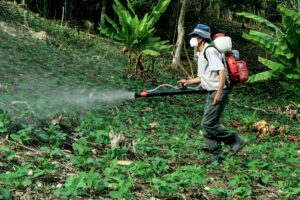
Now that I have mentioned the meaning of weeds and how to recognize a weed, let us take a closer look at the various weed control methods, both chemical and non-chemical, highlighting their benefits, limitations, and considerations.
Manual Weed Control methods:
Manual weed control methods involve physically removing weeds by hand or using tools. This method is suitable for small-scale gardening and is environmentally friendly. The key techniques include:
a. Hand-pulling: Simply grasp the weed near the base and gently pull it out. This method is most effective for annual weeds with shallow root systems. this weed control method is often regarded as a crude method
b. Hoeing: Using a hoe or a similar tool to cut weeds just below the soil surface. This method is effective for larger areas and can disturb weed seeds.
c. Cultivation: Using a mechanical device like a rototiller or cultivator to turn over the soil and uproot weeds. This method is best suited for large-scale applications.
Mulching: Mulching involves covering the soil surface with organic or inorganic materials to suppress weed growth. The benefits of mulching include how to control leaching using mulching
a. Organic mulch: Materials like wood chips, straw, or compost provide a physical barrier that prevents weed emergence and conserves soil moisture.
b. Inorganic mulch: Plastic sheets or landscape fabric can be used to prevent sunlight from reaching weed seeds, inhibiting their germination. read my post on the germination of seeds here
Herbicides weed control methods:
Herbicides are chemical substances designed to control or kill weeds. While they are effective, they should be used with caution due to their potential environmental impact. Herbicides can be classified into three main types:
a. Pre-emergent herbicides: Applied before weed seeds germinate, these herbicides form a barrier on the soil surface, preventing weed establishment. They are best suited for annual weeds.
b. Post-emergent herbicides: Applied to actively growing weeds, these herbicides kill or inhibit weed growth. They can be selective (target specific weed species) or non-selective (kill most plants). Care should be taken to minimize non-target plant exposure.
c. Systemic herbicides: These herbicides are absorbed by the weed and translocated throughout its system, killing both the foliage and the root. They are effective for perennial weeds but can have residual effects on the soil.
Biological weed Control methods
Biological control involves introducing natural enemies of weeds to reduce their population. This method is typically used for large-scale agricultural settings and requires expertise to ensure the introduced organisms do not become pests themselves.
a. Grazing animals: Livestock such as goats or sheep can be used to control weed growth by grazing on weeds. However, this method requires careful management to prevent overgrazing and damage to desired plants.
b. Biological agents: Insects, pathogens, or other organisms can be used as biological control agents to specifically target and suppress certain weed species. This approach requires a thorough understanding of the weed and its natural enemies.
Weed control is a critical aspect of maintaining the health and productivity of gardens, lawns, and agricultural fields.
By implementing a combination of manual, mulching, chemical, and biological wedd control methods, it is possible to effectively manage weed populations while minimizing environmental impact.
Careful consideration should be given to the specific weed species, the size of the area to be treated, and the potential impacts of each method. Remember, a well-rounded and integrated weed control approach is often the most successful strategy.
Weed Control Methods FAQ
- What are the main methods of weed control?
The main methods are cultural practices, mechanical removal, chemical herbicides, and biological control. - How effective is mulching in controlling weeds?
Mulching blocks sunlight, reduces weed seed germination, and helps retain soil moisture. - What is the difference between selective and non-selective herbicides?
Selective herbicides target specific weeds, while non-selective herbicides kill all plants they touch. - Can crop rotation help reduce weeds?
Yes, crop rotation disrupts weed life cycles and prevents them from adapting to one crop system. - Is hand weeding still useful in modern farming?
Hand weeding is labor-intensive but effective for small gardens and areas where chemicals are unsuitable. - What role does cover cropping play in weed control?
Cover crops compete with weeds for nutrients and sunlight, while also improving soil health. - Are mechanical weeders better than herbicides?
Mechanical weeders avoid chemical use but require more labor and can disturb soil compared to herbicides. - How does biological weed control work?
It uses insects, fungi, or competitive plants to naturally suppress weed populations. - What are pre-emergent herbicides?
Pre-emergent herbicides stop weed seeds from germinating before they sprout. - What are post-emergent herbicides?
Post-emergent herbicides kill or slow down weeds that have already grown. - Can flame weeding be used safely?
Flame weeding can be effective but must be done carefully to avoid fire hazards and crop damage. - How does plastic mulch differ from organic mulch?
Plastic mulch blocks weeds and warms soil, while organic mulch decomposes and enriches soil. - Is integrated weed management the best approach?
Yes, combining cultural, mechanical, chemical, and biological methods ensures sustainable control. - Do herbicides harm the environment?
Overuse can contaminate soil and water, harm non-target plants, and reduce biodiversity. - What is the future of weed control?
Future methods include robotic weeders, eco-friendly herbicides, and genetically improved crops.
Would you like me to also create a short summary list of pros and cons for each method so you can compare them quickly?
Originally posted 2025-07-12 11:27:08.