
tomato Cultural Practices in the Cultivation of tomatoes The following are some of the cultural practices involved in the planting of tomato
Cultural practices are essential for successful tomato cultivation. These practices involve various activities related to soil preparation, planting, watering, fertilization, pruning, and pest and disease management.
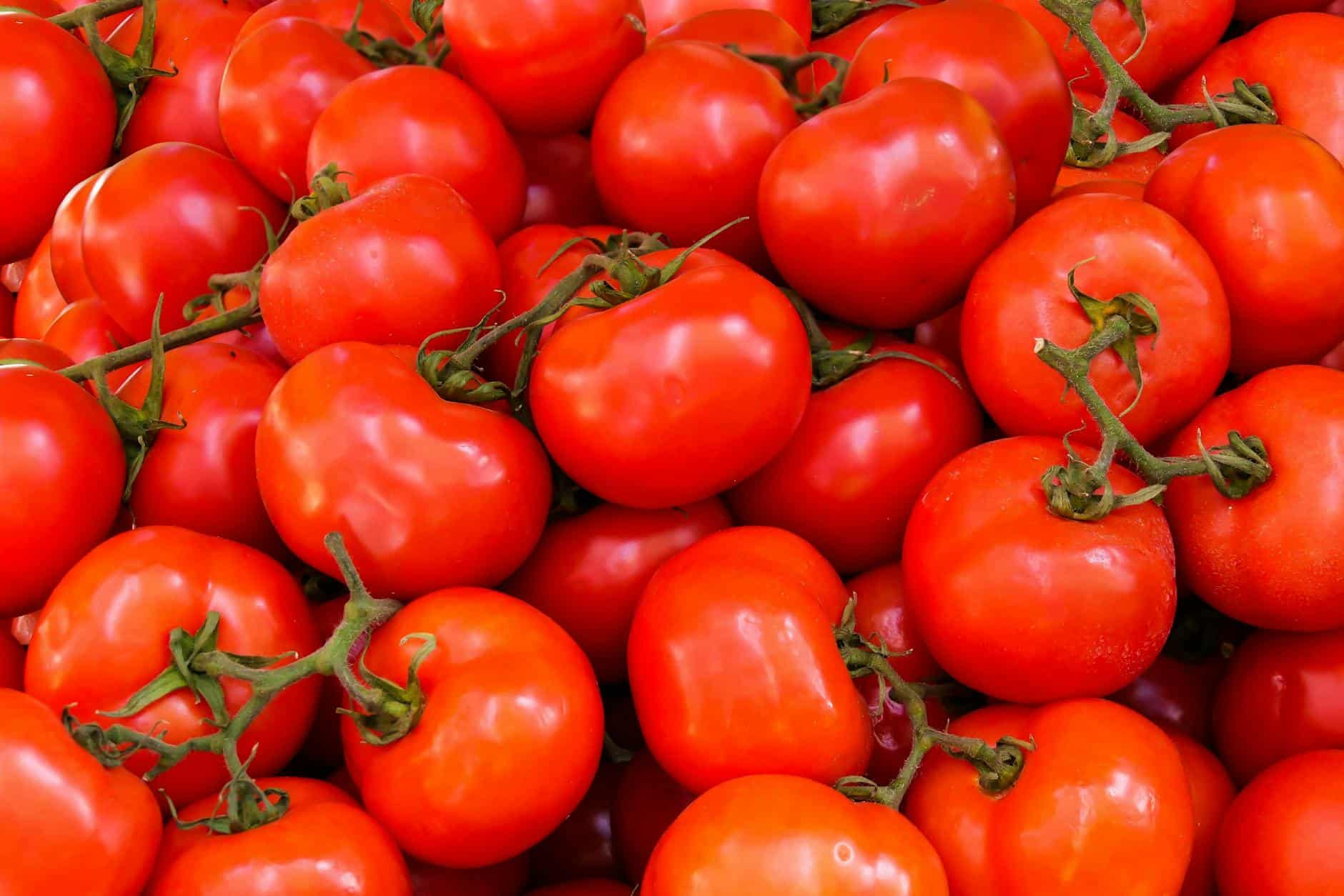
Here’s a guide to tomato cultural practices to help you grow healthy and productive tomato plants:
1. Site Selection:
- Choose a sunny location with at least 6-8 hours of direct sunlight daily.
- Ensure well-draining soil with a pH level between 6.0 and 6.8.
2. Soil Preparation:
- Prepare the soil by loosening it to a depth of 12-18 inches.
- Incorporate organic matter such as compost or well-rotted manure to improve soil fertility and structure.
3. Variety Selection:
- Choose tomato varieties suited to your climate and intended use (e.g., determinate or indeterminate, slicers, paste, or cherry tomatoes).
4. Planting:
- Start tomato seeds indoors 6-8 weeks before the last expected frost date in your area.
- Transplant seedlings into the garden when they have two sets of true leaves and the risk of frost has passed.
- Space plants 18-24 inches apart in rows 3-4 feet apart.
5. Watering:
- Provide consistent moisture to prevent stress and cracking.
- Water at the base of the plant to avoid wetting the foliage, which can lead to disease.
6. Fertilization:
- Use a balanced, slow-release fertilizer or compost when planting.
- Side-dress with additional fertilizer during the growing season, following package instructions.
7. Mulching:
- Apply organic mulch (e.g., straw, wood chips) around the base of the plants to conserve moisture, suppress weeds, and regulate soil temperature.
8. Staking and Support:
- Stake or cage indeterminate tomato varieties to support their growth and keep fruit off the ground.
- Prune the lower leaves and branches to improve airflow and reduce the risk of disease.
9. Pruning:
- Remove suckers (small shoots that form in leaf axils) on indeterminate varieties to encourage a single main stem.
- Prune for better air circulation and light penetration.
10. Pest and Disease Management: – Monitor for common tomato pests such as aphids, hornworms, and whiteflies. Use insecticidal soap or neem oil as needed. – Watch for diseases like early blight and late blight. Apply fungicides preventively and avoid overhead watering.
11. Fertilization: – Regularly inspect plants for nutrient deficiencies, such as yellowing leaves. Address deficiencies with appropriate fertilization.
12. Harvesting: – Harvest tomatoes when they are fully ripe but still firm. They should have a vibrant colour and be easily removed from the vine.
13. Crop Rotation: – Practice crop rotation to prevent soil-borne diseases and maintain soil health.
14. Cleanliness: – Keep the garden clean by removing plant debris and fallen fruit, which can harbour pests and diseases.
15. Companion Planting: – Consider companion planting with herbs like basil, which can improve the flavour of tomatoes and deter pests. see the post on the pest of tomato
By following these cultural practices, you can maximize the yield and quality of your tomato crop while minimizing the risk of common problems.
Remember that specific recommendations may vary depending on your region and climate, so it’s essential to adapt these practices to your local conditions for the best results.
Weeding tomato farm
This should be done at regular intervals. Watering of tomato farm: Soon after transplanting, seedlings should be watered every morning and evening till the plants are able to stand on their own.
Weeding a tomato farm is essential to maintain the health and productivity of your tomato plants. Weeds compete with tomatoes for nutrients, water, and sunlight, so it’s crucial to keep them in check. Here’s a step-by-step guide on how to weed a tomato farm effectively:
1. Gather Your Tools:
- You’ll need some basic gardening tools, including a hoe, a hand trowel or weeding tool, gloves, and a bucket or bag for collecting weeds.
2. Choose the Right Time:
- It’s best to weed when the soil is slightly moist, making it easier to remove weeds with their roots intact. Avoid weeding when the soil is too dry or too wet.
3. Identify the Weeds:
- Familiarize yourself with common weed species in your area to distinguish them from your tomato plants. Some common garden weeds include dandelions, chickweed, purslane, and crabgrass. see the full list here
4. Hand Weeding:
- For small-scale tomato farms or individual plants, hand weeding is effective. Use a hand trowel or weeding tool to carefully dig out weeds from the soil, taking care not to damage tomato plant roots. Grasp the weed near its base and gently pull it out, making sure to remove the entire root system. read my post on tomato root knot disease here
5. Hoeing:
- For larger tomato farms, a hoe can be a more efficient tool. Gently scrape the surface of the soil with the hoe to uproot weeds while avoiding contact with tomato plant stems. Be careful not to dig too deeply, as you don’t want to disturb the tomato plant’s root system.
6. Mulching:
- Applying a layer of organic mulch (e.g., straw, wood chips) around the base of your tomato plants can help suppress weed growth. Mulch also helps retain soil moisture and regulate soil temperature. Make sure to keep the mulch a few inches away from the tomato stems to prevent stem rot.
7. Regular Maintenance:
- Weeding is an ongoing process. Check your tomato farm regularly, especially during the growing season, and remove any new weeds as soon as you spot them. Prompt attention to weeds will prevent them from becoming established.
8. Weed-Free Rows:
- If you’re growing tomatoes in rows, keep the rows weed-free. This makes it easier to access the tomato plants and manage weeds more efficiently.
9. Proper Disposal:
- Collect the pulled weeds in a bucket or bag. Do not leave them on the ground near your tomato plants, as some weeds may re-root and continue to grow.
10. Organic Weed Control: – Consider using organic weed control methods like hand-weeding, mulching, or applying organic herbicides if necessary. Avoid chemical herbicides, as they can harm your tomato plants.
By regularly weeding your tomato farm and using the appropriate tools and techniques, you can create a healthier growing environment for your tomato plants. Weed control is an essential aspect of tomato farming that can contribute to higher yields and healthier plants.
Fertilizer Application in tomato Cultural Practices:
Apply N.P.K 15:15:15 fertilizer to each plant of tomato three weeks after transplanting at 250kg/hectare; or apply any organic manure like compost or farmyard manure at 30-40 metric tons per hectare.
Applying fertilizer to a tomato farm is crucial to provide essential nutrients that promote healthy plant growth and maximize fruit production.
Proper fertilization ensures that your tomato plants receive the nutrients they need to develop strong roots, vigorous foliage, and abundant, high-quality fruits. Here are steps and tips for applying fertilizer to your tomato farm:
1. Soil Testing:
- Before applying fertilizer, conduct a soil test to determine the nutrient levels and pH of your soil. This will help you choose the right type and amount of fertilizer.
2. Choose the Right Fertilizer:
- Select a balanced, slow-release fertilizer that contains essential nutrients like nitrogen (N), phosphorus (P), and potassium (K), as well as secondary and micronutrients such as calcium, magnesium, sulfur, and trace minerals. A common choice is a 10-10-10 or 14-14-14 fertilizer.
3. Determine the Fertilizer Application Schedule:
- Tomatoes have specific growth stages that require different nutrient levels. Typically, you can follow these fertilizer application guidelines:
- Pre-Planting: Apply a portion of the fertilizer before planting or transplanting to provide nutrients for initial root development.
- Side-Dressing: Apply additional fertilizer when the tomato plants begin to produce flowers or fruit. Repeat this every 4-6 weeks throughout the growing season.
- Avoid heavy applications of fertilizer in a single dose, as this can lead to nutrient imbalances or burn the plants.
4. Apply Fertilizer Carefully:
- Apply fertilizer evenly and at the recommended rate to avoid over-fertilization, which can harm the plants.
- Scatter the fertilizer evenly in a band along the row or around each plant, keeping it at least a few inches away from the base of the tomato plants.
- Gently incorporate the fertilizer into the soil surface using a hoe or rake. Avoid damaging the plant’s roots during this process.
5. Water After Fertilizing:
- Water the tomato plants immediately after applying fertilizer to help dissolve the nutrients and distribute them to the roots.
6. Monitor Plant Health:
- Keep an eye on the tomato plants for any signs of nutrient deficiencies or excesses, such as yellowing leaves (nitrogen deficiency) or reduced fruit production (potassium deficiency). Adjust your fertilization regimen accordingly.
7. Use Organic Fertilizers:
- If you prefer organic gardening, consider using organic fertilizers such as compost, well-rotted manure, or organic granular fertilizers. These materials release nutrients slowly and improve soil health over time.
8. Follow Local Recommendations:
- Soil and nutrient requirements can vary by region and soil type. Consult with your local agricultural extension office or a gardening expert to get specific fertilizer recommendations tailored to your area.
9. Maintain pH Levels:
- Tomatoes prefer slightly acidic soil with a pH between 6.0 and 6.8. If your soil pH is too high or too low, adjust it accordingly to ensure optimal nutrient uptake.
Remember that proper fertilization is just one aspect of tomato care. Adequate watering, pest and disease management, and proper pruning and staking are also essential for successful tomato farming.
By providing your tomato plants with the right nutrients at the right times, you can enjoy a bountiful harvest of healthy, delicious tomatoes.
cultural practice in Staking of tomato:
tomato Cultural Practices Provide stakes to enable the tomato plants to stand erect and prevent lodging. Stems are tied or trained to the stakes. Staking allows for good fruiting of the plant tomato and keeps fruits from disease attack.
Arising from contact with soil. Staking should be done before flowering. Maturity period of tomato: This occurs between two to four months after planting. Methods of tomato
Harvesting tomato Cultural Practices: Matured or ripe fruits are harvested by handpicking and stored in a dry, cool place. Harvesting starts in two months. Tomato Processing: Tomato is either used or consumed after harvesting, or it can be processed into tomato juice or paste. Storage of tomato: It can be stored as canned paste.
tomato Cultural Practices Provide stakes to enable the tomato plants to stand erect and prevent lodging. Stems are tied or trained to the stakes. Staking allows for good fruiting of the plant tomato and keeps fruits from disease attack.
Arising from contact with soil. Staking should be done before flowering. Maturity period of tomato: This occurs between two to four months after planting. Methods of tomato
Harvesting tomato Cultural Practice: Matured or ripe fruits are harvested by handpicking and stored in a dry, cool place. Harvesting starts in two months.
Tomato Processing: Tomato is either used or consumed after harvesting, or it can be processed into tomato juice or paste. Storage of tomato: It can be stored as canned paste.
Originally posted 2025-09-08 22:13:34.