
What are forage crops? Definition of forage crops, Forages are crops purposely cultivated for the sole point of feeding farm animals
Forage crops are always succulent in nature most forage crop looks like maize plant in nature.
The leaves of all forages are soft and fibrosis in nature.
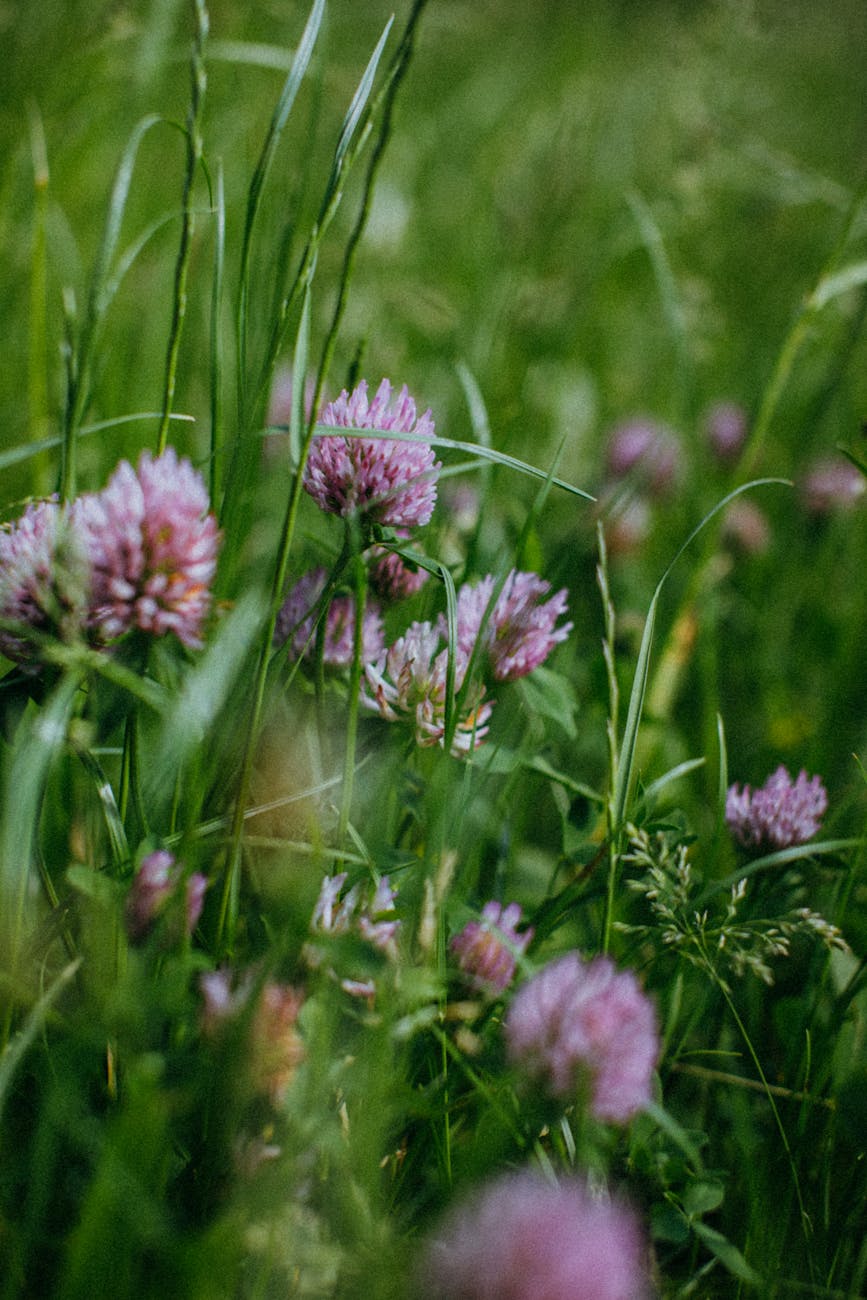
How tto grow forage crops
Growing forage crops requires careful planning and management. Here’s a general guide:
Step 1: Choose the Right Crop
- Select a forage crop suitable for your climate, soil type, and intended use (hay, silage, or grazing).
- Popular options include alfalfa, clover, oats, rye, and sorghum.
Step 2: Prepare the Soil
- Test your soil to determine pH and nutrient levels.
- Apply fertilizers or amendments as needed.
- Till the soil to a depth of 8-10 inches to loosen and aerate.
Step 3: Plant at the Right Time
- Plant forage crops at the optimal time for your region, typically in spring or fall.
- Use a seeding rate recommended for your chosen crop.
Step 4: Provide Adequate Moisture
- Ensure adequate moisture during germination and establishment.
- Water regularly, but avoid overwatering, which can lead to shallow root growth.
Step 5: Manage Grazing or Harvest
- For grazing, manage stocking rates and rotation to avoid overgrazing.
- For hay or silage, cut at the optimal stage (e.g., alfalfa at 10% bloom).
Step 6: Monitor and Maintain
- Monitor crop health, pest, and disease pressure.
- Apply fertilizers or pesticides as needed.
- Rotate crops to maintain soil health and reduce pests and diseases.
Some popular forage crop varieties and their growth requirements include:
- Alfalfa: well-drained soil, pH 6.5-7.5, 15-20 inches water/year
- Clover: moist soil, pH 6.0-7.0, 20-25 inches water/year
- Oats: cool-season, well-drained soil, pH 5.5-7.0, 15-20 inches water/year more on soil PH here
List of forage crops
The list of some common forages that are majorly planted for the purpose of feeding farm animals all over the world is as follows.
2. Centrosema
3. Gamba grass
4. Calopogonium
5. Stylosanthes
- Alfalfa
- Crested wheatgrass
- Smooth bromegrass
- Meadow foxtail
- Timothy-crested wheatgrass
- Orchardgrass-smooth bromegrass
- Timothy-meadow foxtail
- Orchardgrass-timothy-crested wheatgrass
- Orchardgrass-timothy-smooth bromegrass
- Orchardgrass-timothy-meadow foxtail
- Tall fescue-smooth bromegrass
- Tall fescue-meadow foxtail
- Orchardgrass
- Timothy
- Red clover
- White clover
- Lucerne
- Sainfoin
- Birdsfoot trefoil
- Kentucky bluegrass
- Tall fescue
- Perennial ryegrass
- Timothy-grass
- Orchardgrass-alfalfa
- Alfalfa-red clover
- Red clover-white clover
- Orchardgrass-red clover
- Timothy-red clover
- Orchardgrass-tall fescue
- Timothy-tall fescue
- Perennial ryegrass-tall fescue
- Alfalfa-tall fescue
- Orchardgrass-Kentucky bluegrass
- Timothy-Kentucky bluegrass
- Perennial ryegrass-Kentucky bluegrass
- Alfalfa-Kentucky bluegrass
- Sudangrass
- Sorghum-sudangrass
- Pearl millet
- Johnsongrass
- Napiergrass
- Elephantgrass
- Guineagrass
- Bahiagrass
- Bermudagrass
- Carpetgrass
- Rhodesgrass
- Timothy-sainfoin
- Alfalfa-sainfoin
- Orchardgrass-sainfoin
- Red clover-sainfoin
- Tall fescue-sainfoin
- Timothy-birdsfoot trefoil
- Alfalfa-birdsfoot trefoil
- Orchardgrass-birdsfoot trefoil
- Red clover-birdsfoot trefoil
- Tall fescue-birdsfoot trefoil
- Timothy-alfalfa-red clover
- Timothy-alfalfa-tall fescue
- Orchardgrass-alfalfa-red clover
- Orchardgrass-alfalfa-tall fescue
- Tall fescue-alfalfa-red clover
- Timothy-alfalfa-sainfoin
- Timothy-alfalfa-birdsfoot trefoil
The characteristics of forage crops
You have to understand. The forage crops are very easy to cultivate anywhere in the world.
Every of these crops has the ability to flourish in every condition adding to our temperate region or tropical climate.
The uses of forage crop
Uses of forage crop
1. Forage crops are a source of food for cattle.
2. Forage crop is used to feed goats and sheep.
3. Forages are also good for making compost manure and hay
4. Sometimes dry forages are also used making thatched houses in villages, mostly in some parts of Africa.
Uses of forage cannot be limited to what I have listed here. So you can add up if you have any other thing to add to this that
I have it here. If you have any comments that you have and we\’ll be glad to reply to you as soon as possible so you are welcome to use our comment box.
Don’t forget to share this with your friends on social media If you find these articles very useful. Thanks for
36. MAINTENANCE OF PALM PLANTATION
37. COCOA FARMING TECHNIQUES
Forage Crops: 10 FAQs
- Q: What are forage crops?
A: Forage crops are plants grown for animal feed, typically harvested for hay, silage, or grazing. - Q: What are the benefits of forage crops?
A: Forage crops improve soil health, reduce erosion, and provide nutritious feed for livestock. - Q: What are some common forage crops?
A: Common forage crops include alfalfa, clover, oats, rye, and sorghum. - Q: How do I choose the right forage crop?
A: Consider climate, soil type, intended use, and livestock nutritional needs when selecting a forage crop. - Q: How do I plant forage crops?
A: Prepare the soil, choose the right seeding rate, and plant at the optimal time for the specific crop. - Q: How often should I fertilize forage crops?
A: Fertilize based on soil test results and crop needs, typically before planting and after each cutting. - Q: Can I graze animals on forage crops?
A: Yes, but manage grazing to avoid overgrazing and allow for regrowth. - Q: How do I harvest forage crops for hay?
A: Cut at the optimal stage, dry to the right moisture level, and store properly to maintain quality. - Q: Can forage crops improve soil health?
A: Yes, forage crops add organic matter, fix nitrogen, and reduce erosion, improving soil health. - Q: Can I grow forage crops in rotation with other crops?
A: Yes, incorporating forage crops into rotation can improve soil health and reduce pests and diseases.
Originally posted 2023-09-11 08:28:31.