
What are soil-living organisms, Soil living organism refers to plant and animals which inhabit the soil.
Soil-living organisms, collectively known as the soil biota, play a crucial role in maintaining soil health and ecosystem functioning. They are diverse and exist in various trophic levels, from microorganisms to microorganisms.
These organisms interact with each other and with plants, contributing to soil fertility, nutrient cycling, organic matter decomposition, and overall soil ecosystem dynamics. Here are some key categories of soil-living organisms:
Types Of Soil-living Organisms
1. Microorganisms:
- Bacteria: Soil bacteria are abundant and perform essential functions such as decomposing organic matter, fixing nitrogen, and aiding in nutrient cycling. Just like nitrogen fixation bacteria
- Fungi: Soil fungi help break down organic matter, form symbiotic relationships with plant roots (mycorrhizae), and play a role in nutrient cycling.
- Actinomycetes: Actinomycetes are filamentous bacteria that decompose complex organic materials, contributing to the breakdown of plant residues.
- Protozoa: Soil protozoa are single-celled organisms that feed on bacteria and other microorganisms, influencing microbial populations. Amoeba is a single-celled organism. find out more
2. Arthropods:
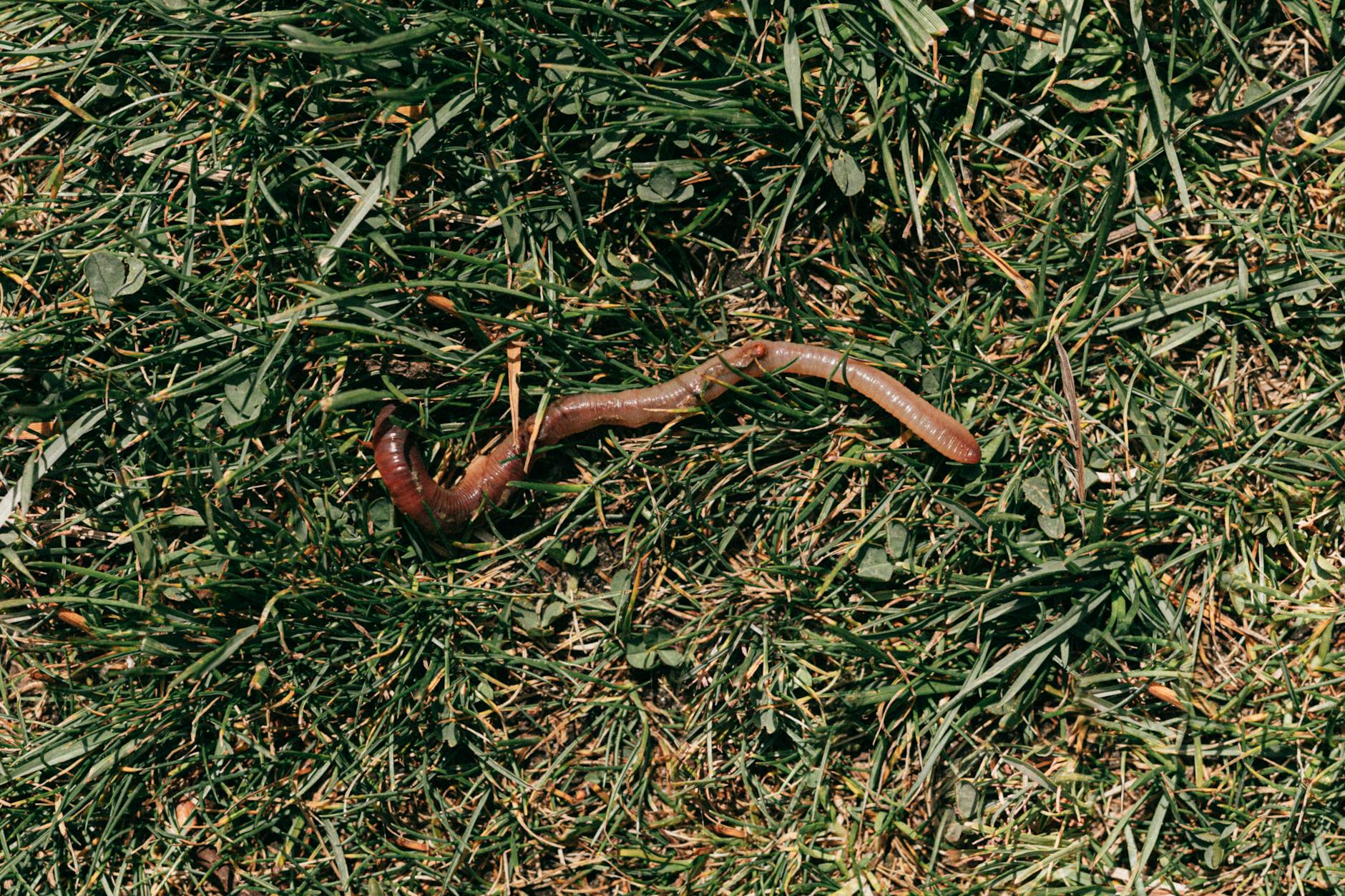
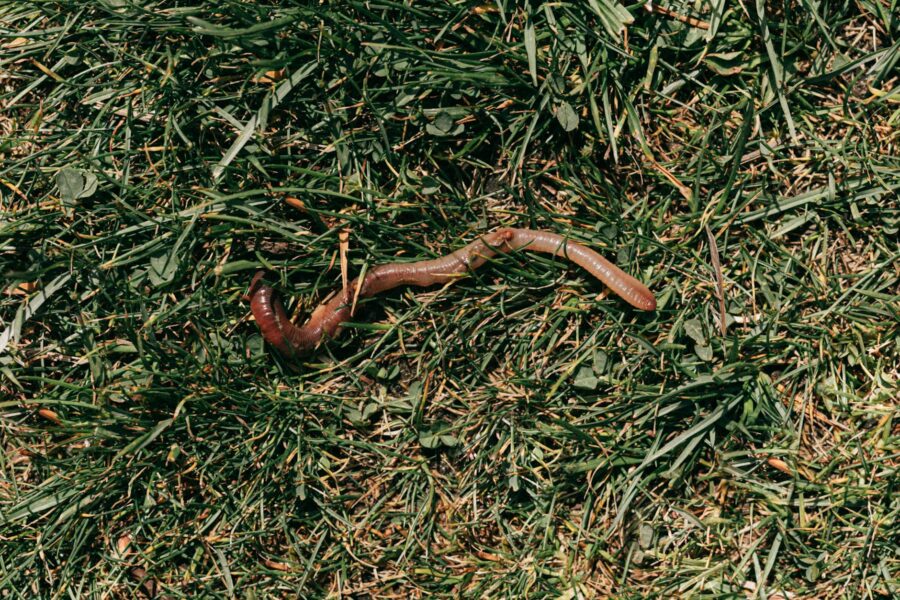
- Earthworms: Earthworms are important soil engineers who improve soil structure through burrowing and enhance nutrient cycling by ingesting organic matter.
- Insects: Various soil-dwelling insects, such as ants, beetles, and springtails, contribute to organic matter decomposition and nutrient cycling.
- Mites: Soil mites are involved in nutrient cycling, decomposition, and the regulation of other soil organisms.
3. Nematodes:
- Soil nematodes are roundworms that can be both beneficial and detrimental to soil health. Some are predators of other soil organisms, while others are plant parasites.
4. Macrofauna:
- Larger soil-dwelling organisms like moles, gophers, and rodents can influence soil structure through their burrowing activities.
5. Plant Roots:
- The roots of plants themselves contribute to the soil biota by releasing organic compounds and sugars into the rhizosphere, which can support microbial communities.
6. Soil Algae and Lichens:
- Soil algae and lichens can be found on the soil surface, contributing to soil organic matter and nutrient cycling.
Functions of soil living Organisms :
- Decomposition: Soil organisms break down organic matter, such as dead plant material and animal remains, into simpler compounds, releasing nutrients that can be taken up by plants.
- Nutrient Cycling: Soil biota are crucial for cycling essential nutrients like nitrogen, phosphorus, and carbon through the soil ecosystem.
- Soil Structure Improvement: Earthworms and other burrowing organisms enhance soil structure by creating channels for water infiltration and aeration.
- Biological Control: Some soil organisms, like nematode-trapping fungi, act as natural predators and help regulate pest populations.
- Nitrogen Fixation: Certain bacteria, like rhizobia, form symbiotic relationships with leguminous plants, fixing atmospheric nitrogen into a form that plants can use. read more on nitrogen fixation bacteria
- Soil Erosion Control: Plant roots and soil organisms help stabilize soil, reducing the risk of erosion.
- Symbiotic Relationships: Mycorrhizal fungi form mutualistic relationships with plants, improving nutrient and water uptake. more on symbiotic nutrition here here is a post on symbiosis and Commensalism
- Detoxification: Soil bacteria can break down or immobilize pollutants and toxins in the soil, contributing to environmental cleanup.
Understanding the diversity and functions of soil-living organisms is crucial for sustainable agriculture and soil management practices. Healthy soil ecosystems support plant growth, improve soil fertility, and enhance ecosystem resilience to environmental changes.
The types of soil organisms present in the soil vary and depend on the type of soil that is questioned.. all these organisms that are present in the soil are known as soil organisms or soil-living organisms or even the microscopic organisms that are present in the soil are useful to the growth of the plant as some are beneficial some are not harmful
The most commonly found groups of soil organisms include bacteria fungi viruses nematodes infect, e.g termites soldier ants millipedes, centipedes, earthworms, snails, Reptiles and Mammals EG rodents and rats
Importance of living organisms found in the soil to an agricultural farmer
what organisms are very useful in any way, especially in soil formation and improving the soil for the growth of crops
Some of this effect of soil organisms on agriculture is listed in this way
Soil-living organisms have significant effects on agricultural production because they play key roles in maintaining soil health, fertility, and overall ecosystem functioning.
These effects can be both positive and negative, depending on the type and activity of the organisms. Here are some of the primary effects of soil-living organisms on agricultural production:
Positive Effects:
- Nutrient Cycling: Soil microorganisms, such as bacteria and fungi, decompose organic matter, releasing essential nutrients like nitrogen, phosphorus, and potassium into forms that plants can absorb. This nutrient cycling enhances soil fertility, promoting healthy plant growth and higher crop yields.
- Improved Soil Structure: Earthworms and other burrowing organisms create channels in the soil, improving soil structure and increasing its porosity. This enhanced soil structure facilitates better water infiltration, root penetration, and aeration, which are crucial for plant development.
- Biological Pest Control: Some soil organisms, like beneficial nematodes and predatory insects, help control pest populations by preying on or parasitizing harmful insects and other pests. This natural pest control reduces the need for chemical pesticides.
- Symbiotic Relationships: Mycorrhizal fungi form symbiotic associations with plant roots, increasing the root surface area available for nutrient and water absorption. This mutualistic relationship enhances plant health and nutrient uptake, resulting in improved crop yields.
- Nitrogen Fixation: Certain soil bacteria, such as rhizobia, form symbiotic relationships with leguminous plants (e.g., soybeans, peas, and clover). These bacteria convert atmospheric nitrogen into a form that plants can use, reducing the need for synthetic nitrogen fertilizers.
- Detoxification: Some soil bacteria can break down or immobilize pollutants and toxins in the soil, contributing to soil remediation and environmental cleanup.
Negative Effects Of Soil-living Organisms:
- Plant Diseases: Soil-borne pathogens, such as nematodes and fungal pathogens, can cause plant diseases, leading to reduced crop yields and quality. These organisms can harm root systems and compromise plant health.
- Competitive Relationships: In some cases, soil organisms may compete with crops for essential nutrients and resources. This competition can hinder plant growth and reduce yields.
- Soil Erosion: Improper land management practices can lead to soil erosion, which can displace beneficial soil organisms and reduce soil fertility. Soil erosion negatively impacts agricultural production by removing topsoil and valuable nutrients.
- Root Damage: Certain soil-dwelling pests, like root-knot nematodes, feed on plant roots, causing damage and reducing a plant’s ability to absorb nutrients and water.
- Microbial Imbalances: Imbalances in soil microbial communities can lead to nutrient imbalances, disease susceptibility, and reduced plant vigour.
To harness the positive effects of soil-living organisms and mitigate their negative impacts, farmers and agricultural practitioners often adopt soil management practices that promote soil health and biodiversity.
These practices may include crop rotation, cover cropping, organic matter addition, reduced tillage, and the use of beneficial microorganisms or biological control agents.
By understanding the roles of soil organisms and promoting healthy soil ecosystems, agricultural production can be enhanced while minimizing the negative consequences on crop yields and soil quality.
Soil Living Organisms FAQ
1. What are soil living organisms and why are they important?
Soil living organisms are the diverse community of microorganisms, invertebrates, and other life forms that inhabit soil ecosystems. They include bacteria, fungi, protozoa, nematodes, arthropods, earthworms, and many others. These organisms are crucial because they decompose organic matter, cycle nutrients, improve soil structure, support plant growth, and maintain overall ecosystem health. Without them, soils would be sterile and unable to support terrestrial life.
2. What are the main groups of organisms found in soil?
The main groups include:
- Microorganisms: Bacteria, fungi, archaea, algae, and viruses
- Microfauna: Protozoa (amoebas, flagellates, ciliates) and small nematodes
- Mesofauna: Larger nematodes, rotifers, tardigrades, and small arthropods
- Macrofauna: Earthworms, larger arthropods (beetles, ants, spiders), mollusks, and small vertebrates
- Plant roots and mycorrhizal associations: Though technically not soil organisms, they form intimate relationships with soil life
3. How many organisms typically live in a handful of soil?
A single handful of healthy soil can contain billions to trillions of microorganisms. Specifically, there can be 10-100 billion bacteria, 10-100 million fungi, 10,000-100,000 protozoa, and hundreds to thousands of nematodes. The exact numbers vary greatly depending on soil type, climate, season, and management practices. This makes soil one of the most biodiverse habitats on Earth.
4. What role do bacteria play in soil ecosystems?
Bacteria are essential decomposers that break down organic matter and release nutrients for plants. They participate in critical nutrient cycles, including nitrogen fixation (converting atmospheric nitrogen into plant-available forms), nitrification, and phosphorus solubilization. Some bacteria form beneficial relationships with plant roots, protecting against diseases and enhancing nutrient uptake. They also help form soil aggregates, improving soil structure and water retention.
5. How do fungi contribute to soil health?
Fungi are master decomposers, particularly effective at breaking down complex organic compounds like cellulose and lignin in dead plant material. They form extensive hyphal networks that improve soil structure and create pathways for water and air movement. Many fungi form mycorrhizal partnerships with plant roots, dramatically expanding the plant’s ability to absorb water and nutrients. Fungi also help suppress plant diseases and can improve plant tolerance to environmental stress.
6. What are earthworms’ contributions to soil quality?
Earthworms are often called “ecosystem engineers” because they dramatically improve soil structure through their burrowing and feeding activities. They consume organic matter and soil, mixing and aerating the soil while creating stable aggregates through their castings. Their tunnels improve water infiltration and root penetration. Earthworm castings are rich in nutrients and have better structure than surrounding soil, making them excellent natural fertilizer.
7. How do soil organisms affect plant growth?
Soil organisms support plant growth in numerous ways. They decompose organic matter to release essential nutrients like nitrogen, phosphorus, and potassium. Beneficial bacteria and fungi form symbiotic relationships with roots, enhancing nutrient and water uptake. Some organisms produce plant growth hormones or help plants resist diseases and pests. The physical activities of soil organisms also improve soil structure, creating better conditions for root growth and water movement.
8. What factors influence the diversity and abundance of soil organisms?
Key factors include soil pH, moisture content, temperature, organic matter content, soil texture, and oxygen levels. Management practices such as tillage, fertilizer use, pesticide applications, and crop rotation significantly impact soil organism communities. Climate conditions, seasonal variations, and the types of plants growing in the soil also influence which organisms thrive. Generally, diverse plant communities and minimal soil disturbance promote greater soil biological diversity.
9. How do agricultural practices affect soil living organisms?
Agricultural practices can either enhance or harm soil organism communities. Excessive tillage destroys fungal networks and disturbs organism habitats. Heavy pesticide use can reduce beneficial microorganisms and soil fauna. Monoculture cropping provides limited food sources for soil organisms. Conversely, practices like cover cropping, crop rotation, reduced tillage, organic amendments, and integrated pest management promote diverse, healthy soil organism communities that improve long-term soil fertility and productivity.
10. What is the soil food web and how does it work?
The soil food web describes the complex feeding relationships among soil organisms. It starts with primary producers (plants and some bacteria) and decomposers (bacteria and fungi breaking down organic matter). Primary consumers include protozoa, nematodes, and small arthropods that feed on microorganisms. Secondary consumers are predatory nematodes, mites, and spiders that eat other soil animals. This web efficiently cycles nutrients and energy through the soil ecosystem, with each level contributing to nutrient availability for plants.
11. How do soil organisms help with nutrient cycling?
Soil organisms are the drivers of all major nutrient cycles. They decompose dead plant and animal material, releasing bound nutrients back into forms plants can use. Nitrogen-fixing bacteria convert atmospheric nitrogen into ammonia. Mycorrhizal fungi extend plant root systems and help access phosphorus and other nutrients. Protozoa and other microorganisms release nutrients when they consume bacteria and fungi. This biological processing is essential for maintaining soil fertility and supporting plant nutrition.
12. What are mycorrhizal fungi and why are they important?
Mycorrhizal fungi form mutually beneficial partnerships with most plant species, connecting to plant roots and extending far into the soil through their hyphal networks. In exchange for carbon from the plant, they provide the plant with water, phosphorus, nitrogen, and other nutrients from a much larger soil volume than roots could access alone. They also improve plant disease resistance and help plants tolerate drought and other stresses. These partnerships are fundamental to most terrestrial ecosystems.
13. How can you tell if soil has healthy organism populations?
Signs of healthy soil organism populations include good soil structure with stable aggregates, presence of earthworms and other visible soil animals, rich organic matter content, and good water infiltration. Laboratory tests can measure microbial biomass, enzyme activity, and respiration rates. Healthy soils also support vigorous plant growth with good root development. The presence of mycorrhizal fungi and diverse invertebrate communities are also indicators of biological soil health.
14. What threatens soil organism communities?
Major threats include excessive tillage that destroys habitats and fungal networks, overuse of chemical pesticides and fertilizers, soil compaction from heavy machinery, erosion that removes topsoil and organic matter, and pollution from industrial chemicals or heavy metals. Climate change, including increased temperatures and altered precipitation patterns, also stresses soil organism communities. Urban development and soil sealing eliminate soil habitats entirely.
15. How can we protect and enhance soil organism populations?
Protection strategies include minimizing soil disturbance through reduced or no-till practices, maintaining soil cover with cover crops or mulch, adding organic matter through compost or manure, practicing crop rotation to provide diverse food sources, and reducing chemical inputs. Creating habitat diversity with hedgerows and diverse plantings supports soil fauna. Avoiding soil compaction, managing pH appropriately, and ensuring adequate moisture also help. Regenerative agriculture practices that work with natural soil processes rather than against them are particularly effective at building thriving soil organism communities.
These are some of the important soil-living organisms
Thank you for visiting us and Reading some of our most interesting articles feel free to explore and look at The widget by the right hand. feel free to explore and look at The Widget on the right-hand side of
- migration
- population
- market concept
- money market
- shares
- how companies raise funds for expansion
- BALANCED DIETS
141. LACTATION DIETS
142. MALNUTRITION - RINDER PESTS
Originally posted 2023-10-08 11:20:35.