
snail farming. What is a snail? Where can it be found? Types of snails. Importance of snail. Become a millionaire through snail farming
Before you rush me into enlisting what you require to make it big time through snail farming, in agricultural science, bear with me a little and let me take you through memory lane on what and how I dabble in snail farming.
I remembered a few years ago in a town called Amai, not far away from Asaba the capital of Delta state, in Nigeria.
This thing I\’m talking about is around 1995 to 96. As children, we would go into the forest, infested with deadly wild animals to pick snails at night, preferably midnight.
As teenagers, a few of us were just involved just for the meat and while a whole lot of others were in for the money through the sales of these snails.
They take them to the market for sale. A good example of this group is my younger brother, Ebigide George Chucks.
You can check his profile here. Before I take you through the snail farming processes, bear with me as I take you through the practical guide on how I became a success through snail farming.
what is snail farming?
Snail farming, also known as heliciculture, is the practice of raising snails specifically for commercial purposes. It involves the controlled breeding, rearing, and harvesting of snails for various purposes, such as food consumption, cosmetic production, or the pet trade.
Snail farming has gained popularity in many parts of the world due to the high demand for snail products.
Snails are a delicacy in many cuisines and are known for their nutritional value, being low in fat and high in protein.
Additionally, snail slime is used in the cosmetics industry for its moisturizing and anti-ageing properties.
The process of snail farming typically involves creating suitable conditions for the snails to thrive, such as providing a suitable habitat with enough moisture, temperature control, and proper feeding.
Snails are generally hermaphrodites, which means they possess both male and female reproductive organs, but they still require a mate to reproduce.
Snails are typically fed on a diet consisting of various plant materials, such as leaves, fruits, and vegetables.
The farming system can be either extensive, where snails are allowed to freely roam within a designated area, or intensive, where they are kept in enclosed spaces like containers or pens.
Snail farming offers several benefits. It is a relatively low-cost and low-risk agricultural venture, requiring less land and resources compared to traditional livestock farming.
It can also be done on a small scale, making it suitable for individuals with limited space. Moreover, snails are known for their high reproductive rate and can be harvested multiple times within a year.
However, successful snail farming requires knowledge of snail biology, proper management practices, and adherence to local regulations.
Additionally, market demand, marketing strategies, and access to distribution channels are important considerations for those interested in commercial snail farming.
So let us take the first step which you should know first.
What is a Snail?
Snails belong to a group of invertebrates called Molusk. They mostly have shells and no backbone while a few species of Snails don\’t have shells.
Snails are land and water animal. All snails are not of the same size, and I can categorically tell you that there are more than 200 species, including land and water types.
I know you are itching to know how to make a few million dollars doing snail farming, or your case is just to make a living through snail farming, don\’t worry, just hang on as I drill you through this practical guide.
YOU CAN ALSO CHECK OUT OTHER CAREER OPPORTUNITIES IN FARMING BY READING HERE So in this article I\’m going to take you through how I became a success through snail farming.
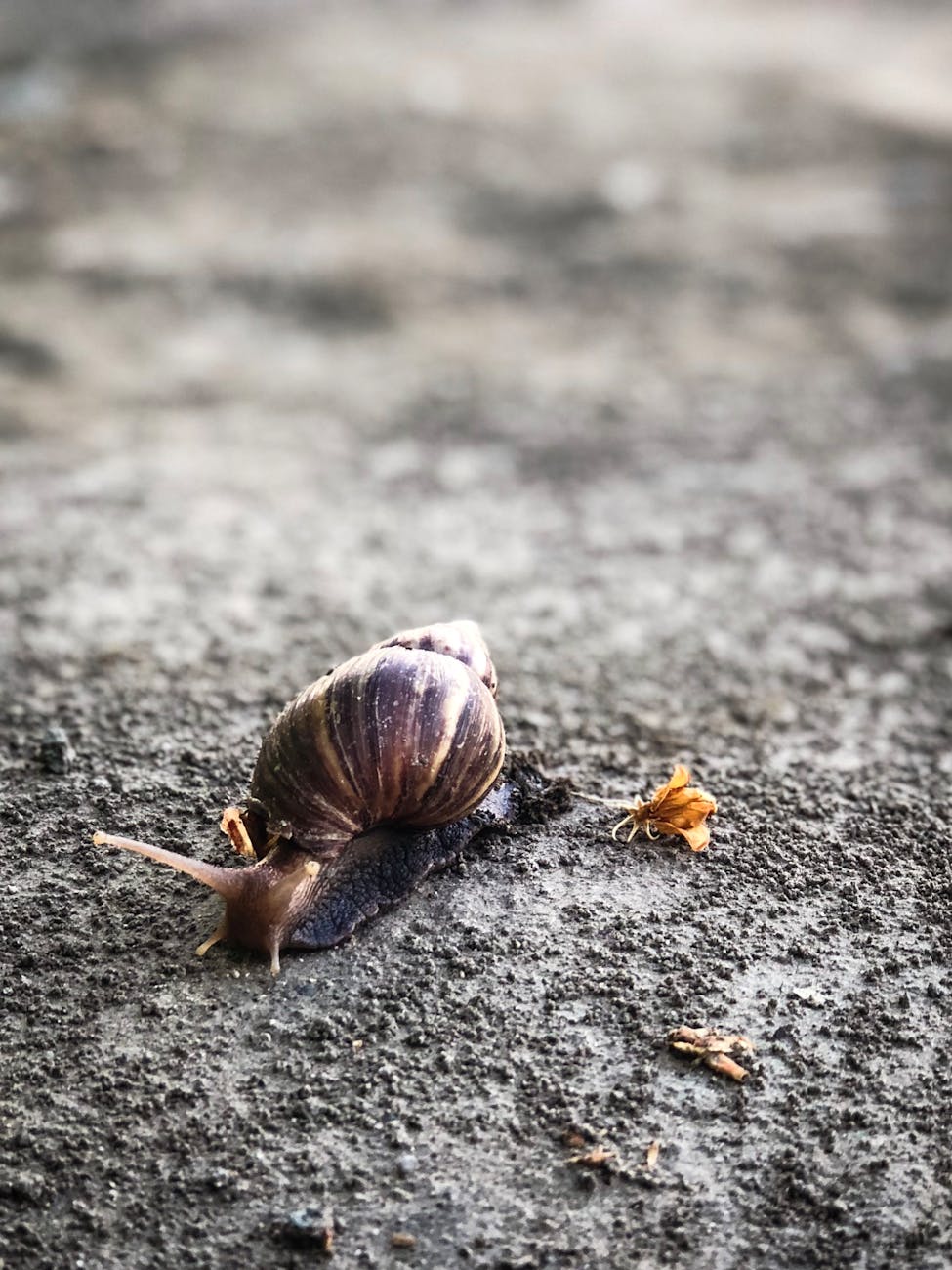
As long as there are different species of Snail, I am going to be concerned only about the giant African Land Snail called Archatina Snail, photo by George Fabian…
So where can we find this type of Snail? This type of Snail is majorly found in the rain forest belt of the West African coast.
It mostly lives in damp areas, grasslands with a lot of thickets, ranging from the mangrove forest and river banks.
In Nigeria, especially in the southern part, this type is of two varieties, the white shell and the brownish type.
Note_if you are interested in snail farming to make a living but don\’t know to get it done, don\’t worry just contact me
You could be wondering who could be interested in eating Snails, but snails are one of the world\’s Now that you have known what you are going into, let\’s get started on how to become rich in one year of snail farming.
So here are a few things you will need to become a millionaire through snail farming.
- A plot of land or more depending on availability.
- Cocoayam seeds or tubers in large quantities
- Access to cassava peels
- Large quantities of water-leave seed or seedlings
- Large quantities of plantain suckers
- Vibrated blocks in many quantities as you can afford So here we go*
First, clear the land or site you want to use and do the stumping properly
Plant the coco-yam you have scattered across the site, please do not give much space per plant
Plant the water-leave in between the coco-yams
Plant the plantain at least 50 suckers per plot
Arrange the blocks in this form all over the site
….. The block arrangements should be made many because this is where the snails will lay their eggs. After planting, which in all fairness you should do during the rainy season for effective results.
Please allow at least a month interval before introducing the snails
You don\’t need to buy feed or chemicals as such it is a risk-free investment.
round to prevent people from gaining direct access to the farm.
You must make sure that the blocks are arranged in such a way that the snails have a place to hide underneath or in-between during the day to avoid direct sunlight.
The larger the farm and number of snails introduced the more your output. This method of snail farming is totally risk-free.
Your extra feeds will be to look for cassava peels regularly and spread them across the farm.
Decayed organic wastes from homes can be very useful as direct feeds. If the process is carefully followed you should begin to see returns within two to three months.
If you have any questions about snail farming or something similar, please feel free to drop your comment below.
If you find this article useful please share it with your friends and family. Good luck to you
don\’t forget to use the comment box and leave a message or suggestion and we will get back to you within seconds.
You can read some of the most interesting topics below
- economic tools for nation-building
- budgeting
- factors affecting the expansion of industries
- mineral resources and the mining industries
Originally posted 2021-12-14 11:50:43.