
Crop Rotation and Soil Fertility Management: A Comprehensive Guide
Introduction
Agriculture plays a crucial role in feeding the world’s population. To ensure long-term productivity and sustainability, farmers must adopt effective practices that maintain soil health. One such essential practice is crop rotation. This blog post will explore the concept of crop rotation, its benefits, methods, and how it helps in soil fertility management.
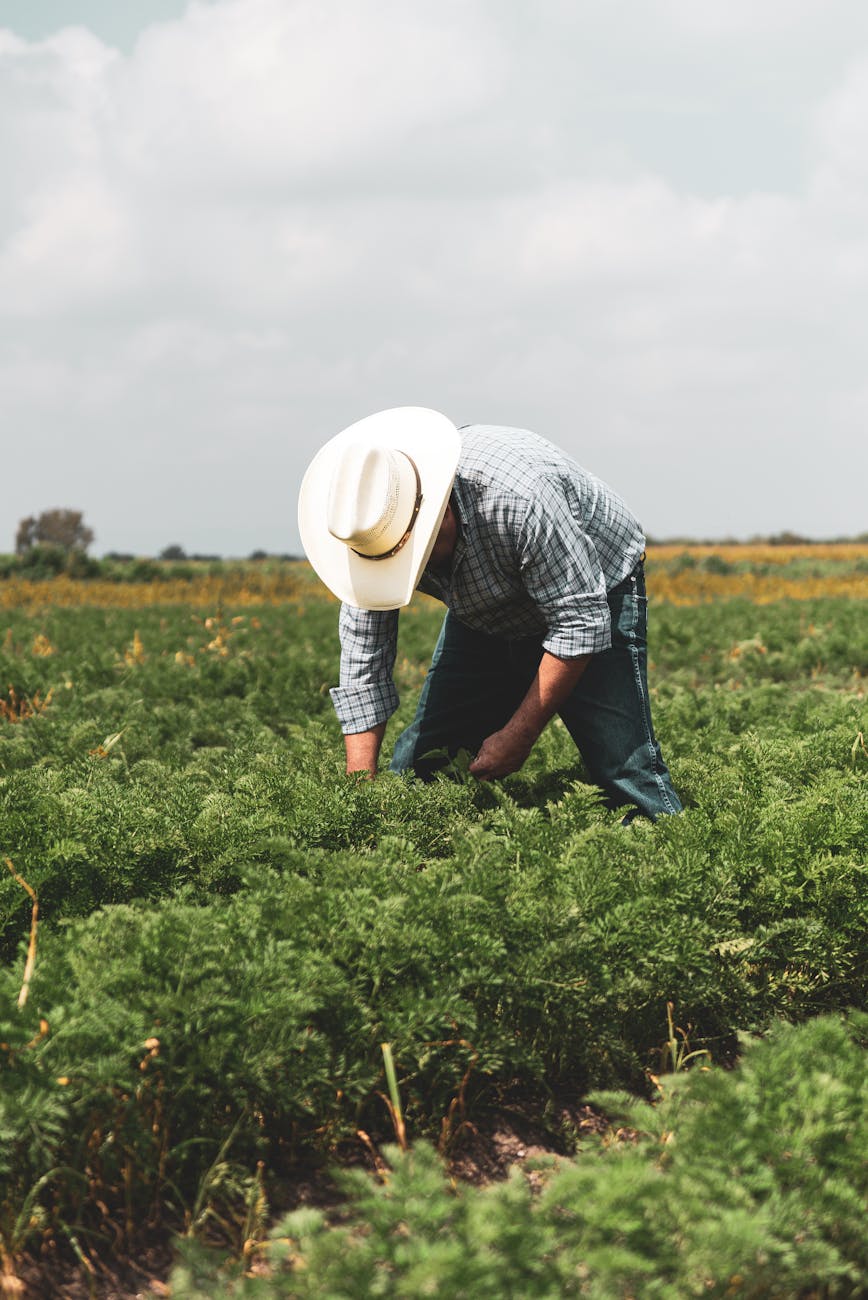

What is Crop Rotation?
Crop rotation is the practice of growing different types of crops in the same area across a sequence of growing seasons. Instead of planting the same crop repeatedly, farmers alternate crops to improve soil health, manage pests, and increase yields.
Benefits of Crop Rotation
- Soil Fertility Improvement: Different crops utilize and replenish various nutrients in the soil. For instance, legumes such as beans and peas fix nitrogen, enriching the soil for subsequent crops.
- Pest and Disease Control: Changing crops disrupts the life cycle of pests and diseases associated with specific plants, reducing the need for chemical pesticides.
- Weed Suppression: Different crops have varied growth habits, which can naturally suppress weeds by outcompeting them.
- Enhanced Soil Structure: Rotating deep-rooted and shallow-rooted plants helps improve soil aeration and prevents compaction.
- Increased Crop Yields: Healthier soils lead to better crop growth and higher yields over time.
Common Crop Rotation Methods
- Two-Crop Rotation: Alternating between two crops, such as maize and legumes.
- Three-Crop Rotation: Incorporates three crops, e.g., maize, beans, and vegetables.
- Four-Crop Rotation: A more diverse system that could include maize, legumes, root crops (like cassava), and vegetables.
Example of a Four-Year Rotation Plan:
- Year 1: Maize
- Year 2: Beans (legumes)
- Year 3: Cassava (root crop)
- Year 4: Vegetables (leafy greens)
This cycle helps maintain nutrient balance and prevents soil exhaustion.
Soil Fertility Management
Maintaining soil fertility is essential for sustainable farming. Here are key practices:
- Organic Matter Addition: Using compost, green manure, and crop residues enriches the soil.
- Cover Cropping: Planting cover crops like clover or rye during off-seasons prevents erosion and adds nutrients.
- Proper Irrigation: Adequate watering maintains soil structure and microbial life.
- Minimal Tillage: Reducing tillage preserves soil integrity and reduces erosion.
- Balanced Fertilizer Use: Applying the right amount of organic or inorganic fertilizers supports plant growth without harming the environment.
Conclusion
Crop rotation is a time-tested agricultural practice that not only boosts soil fertility but also ensures environmental sustainability and higher farm productivity. By adopting effective crop rotation and soil management techniques, farmers can safeguard their lands for future generations.
Implementing these methods is a step toward resilient agriculture that benefits both the farmer and the planet.
For more insightful agriculture articles, visit our blog at fabioclass.com.
Originally posted 2025-07-10 03:29:34.