
Introduction
Introduction to Modern Farming Techniques
Introduction
Agriculture is the backbone of many economies worldwide, and as populations grow and environmental challenges increase, the need for modern farming techniques becomes ever more critical.
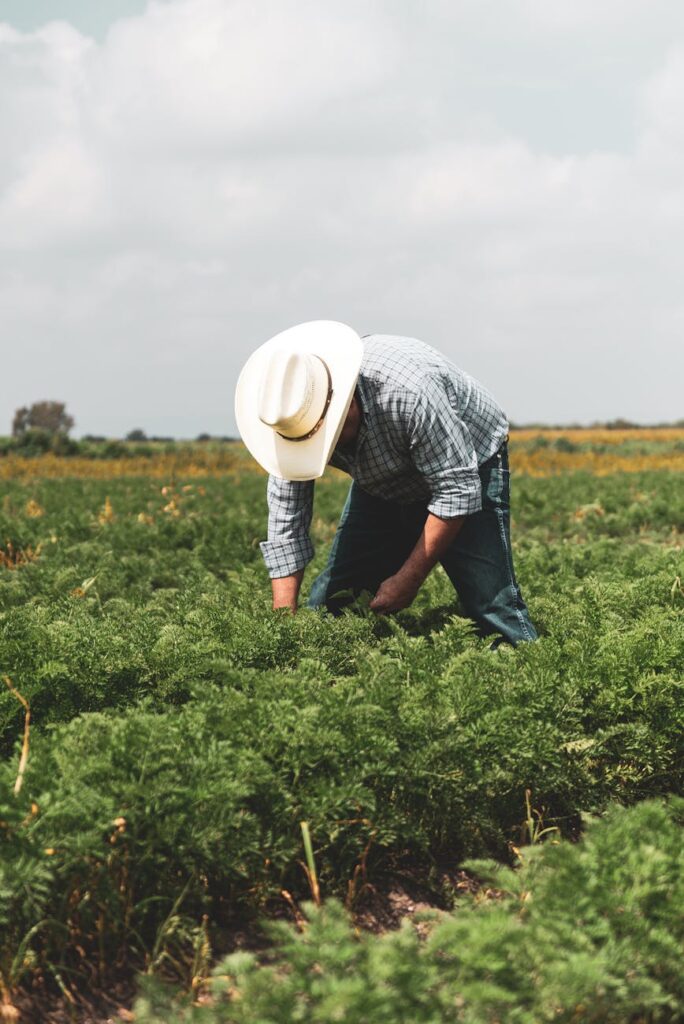
Modern farming employs innovative methods and technologies to increase productivity, improve sustainability, and ensure food security. In this blog post, we will explore various modern farming techniques and how they are shaping the future of agriculture.

What is Modern Farming?
Modern farming refers to the use of technology, scientific knowledge, and innovative methods to enhance agricultural productivity. It aims to maximize yields while conserving resources and reducing environmental impacts. Traditional practices are being replaced or complemented by advanced systems that make farming more efficient and profitable.
Benefits of Modern Farming
- Increased Crop Yields: Precision techniques help farmers grow more food on less land.
- Resource Efficiency: Modern systems use water, soil, and energy more efficiently. check this post on farm power
- Environmental Protection: Sustainable methods reduce chemical usage and preserve biodiversity.
- Economic Growth: Higher productivity and profitability contribute to national and local economies.
Key Modern Farming Techniques
- Precision Agriculture:
- Uses GPS, sensors, and data analytics to monitor and manage crops with accuracy.
- Optimizes input usage such as water, fertilizers, and pesticides.
- Hydroponics and Aquaponics:
- Grow plants without soil using nutrient-rich water.
- Ideal for urban farming and areas with poor soil conditions.
- Vertical Farming:
- Involves growing crops in vertically stacked layers, often indoors.
- Maximizes space usage and reduces water consumption.
- Conservation Tillage:
- Reduces soil disturbance to maintain organic matter and soil structure.
- Helps prevent erosion and promotes soil health.
- Integrated Pest Management (IPM):
- Combines biological, physical, and chemical tools to manage pests.
- Reduces reliance on chemical pesticides.
- Genetically Modified Crops (GMOs):
- Crops are engineered for better yields, disease resistance, and drought tolerance.
- Smart Irrigation Systems:
- Automated watering systems that optimize water use based on plant needs and weather conditions.
- Drones and Robotics:
- Drones monitor crop health, while robots assist with planting and harvesting.
The Future of Farming
Modern farming techniques continue to evolve with technological advancements. The future promises even greater integration of artificial intelligence, machine learning, and renewable energy into agricultural systems. These innovations will enable farmers to meet global food demands while protecting the environment.
Conclusion
Modern farming techniques are transforming agriculture, making it more efficient, sustainable, and resilient. By adopting these practices, farmers can ensure higher productivity, improved soil health, and reduced environmental impact. As the agricultural sector continues to evolve, embracing innovation will be key to securing food for future generations.
For more detailed agriculture guides and tips, visit our blog at fabioclass.com.
Originally posted 2025-07-10 03:53:27.