
what are biennial crops?
Biennial crops are crops that completes their life’s cycle in two planting season or two years after planting.
Most biennial crops will use the first year of after planting to gather enough nutrients also called food, leaves store up food while the remaining year is used by the biennial crop to produce what the farmer will harvest for sales or consumption
One very key aspect of biennial crops is that reproduction and maturity takes place in the second year after planting
characteristics of biennial crops
Biennial crops can easily be differentiated from annual crops or perennial crops in the following ways
Biennial crops can never produce or mature in the first year after planting
Most biennial crops have fibrous root system
Biennial crops are not tree crops as such they are not very tall
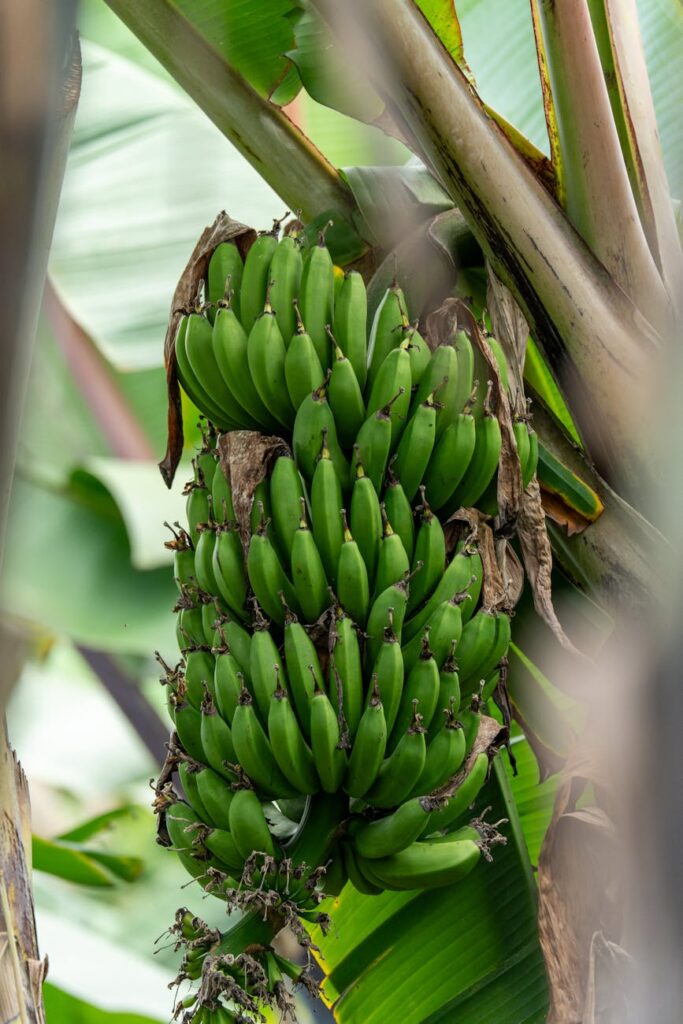

examples of biennial crops
The following are typical examples of biennial crops. To mention but a few they as follows
Pineapple
Banana
Plantain
Sugar cane/sugar beet
Cocoyam
Fluted pumpkin
Cassava etc.
Conclusion on biennial crops overview
Before going into cultivation of biennial crops in through large scale farming, the type of land tenure system or type of land ownership system practiced in the community should be considered.
Here are 10 FAQs on biennial crops:
*1. Q: What are biennial crops?*
A: Biennial crops are plants that complete their life cycle in two growing seasons. They typically germinate and grow in the first season, then flower and produce seeds in the second season.
*2. Q: What are some examples of biennial crops?*
A: Examples of biennial crops include carrots, beets, parsnips, and parsley.
*3. Q: How do biennial crops differ from annual and perennial crops?*
A: Biennial crops differ from annual crops, which complete their life cycle in one season, and perennial crops, which live for multiple seasons.
*4. Q: Why are biennial crops important?*
A: Biennial crops are important for food production, nutritional value, and economic benefits. They provide a source of fresh produce and can be stored for later use.
*5. Q: How do you care for biennial crops?*
A: Biennial crops require regular care, including watering, fertilizing, and pest management, to ensure healthy growth and production.
*6. Q: Can biennial crops be grown in containers?*
A: Yes, biennial crops can be grown in containers, provided they have sufficient space, soil, and care.
*7. Q: How do you overwinter biennial crops?*
A: Biennial crops can be overwintered by mulching, covering, or storing them in a protected area to protect them from extreme temperatures and weather conditions.
*8. Q: What are the benefits of growing biennial crops?*
A: Benefits of growing biennial crops include increased food security, improved nutrition, and potential economic benefits.
*9. Q: Can biennial crops be used for seed production?*
A: Yes, biennial crops can be used for seed production, as they produce seeds in their second year of growth.
*10. Q: How do climate and weather conditions affect biennial crops?*
A: Climate and weather conditions, such as temperature, rainfall, and sunlight, can significantly impact the growth and productivity of biennial crops.
PROTOZOAN DISEASES
155. TRYPONOSOMIASIS
159. TAPE WORM
160. ROUND WORM OF PIGS
161. LIVER FLUKE
162. ECTO PARASITES
163. TICK
check out these recent posts
Originally posted 2022-01-02 08:59:53.