
FEEDING REQUIREMENTS FOR GRAZING GOATS. There are differences in the kind of feed prepared for different types of purpose goats reared by the farmer.
Proper nutrition is not only essential for the well-being of the goats but also contributes to their ability to produce meat, milk, or fibre efficiently.
Providing access to mineral supplements specifically formulated for goats can help ensure they receive essential nutrients, including calcium, phosphorus, and vitamins.
Feeding Requirements for Grazing Goats: Ensuring Optimal Nutrition
Grazing goats are hardy, versatile animals known for their ability to thrive in a variety of environments, from grassy pastures to shrubby landscapes. To maintain their health and productivity, it is crucial to meet their specific feeding requirements.
Proper nutrition is not only essential for the well-being of the goats but also contributes to their ability to produce meat, milk, or fibre efficiently. Here, we delve into the key aspects of feeding requirements for grazing goats, emphasizing the importance of active management for optimal nutrition.
1. Forage-Based Diet: Grazing goats are primarily forage eaters. Their diet should consist of a diverse range of grasses, legumes, browse plants (shrubs and woody vegetation), and other pasture plants. Providing access to high-quality forage is fundamental to meeting their nutritional needs.
2. Pasture Management: Active pasture management is essential to ensure that goats have access to fresh forage throughout the grazing season. Rotational grazing, where goats are periodically moved to different sections of the pasture, prevents overgrazing and allows forage plants to regenerate.
3. Protein Requirements: Goats require sufficient protein in their diet to support growth, reproduction, and overall health. Legumes such as clover and alfalfa can provide the necessary protein, but supplementing with additional protein sources may be required, especially during periods of high demand.
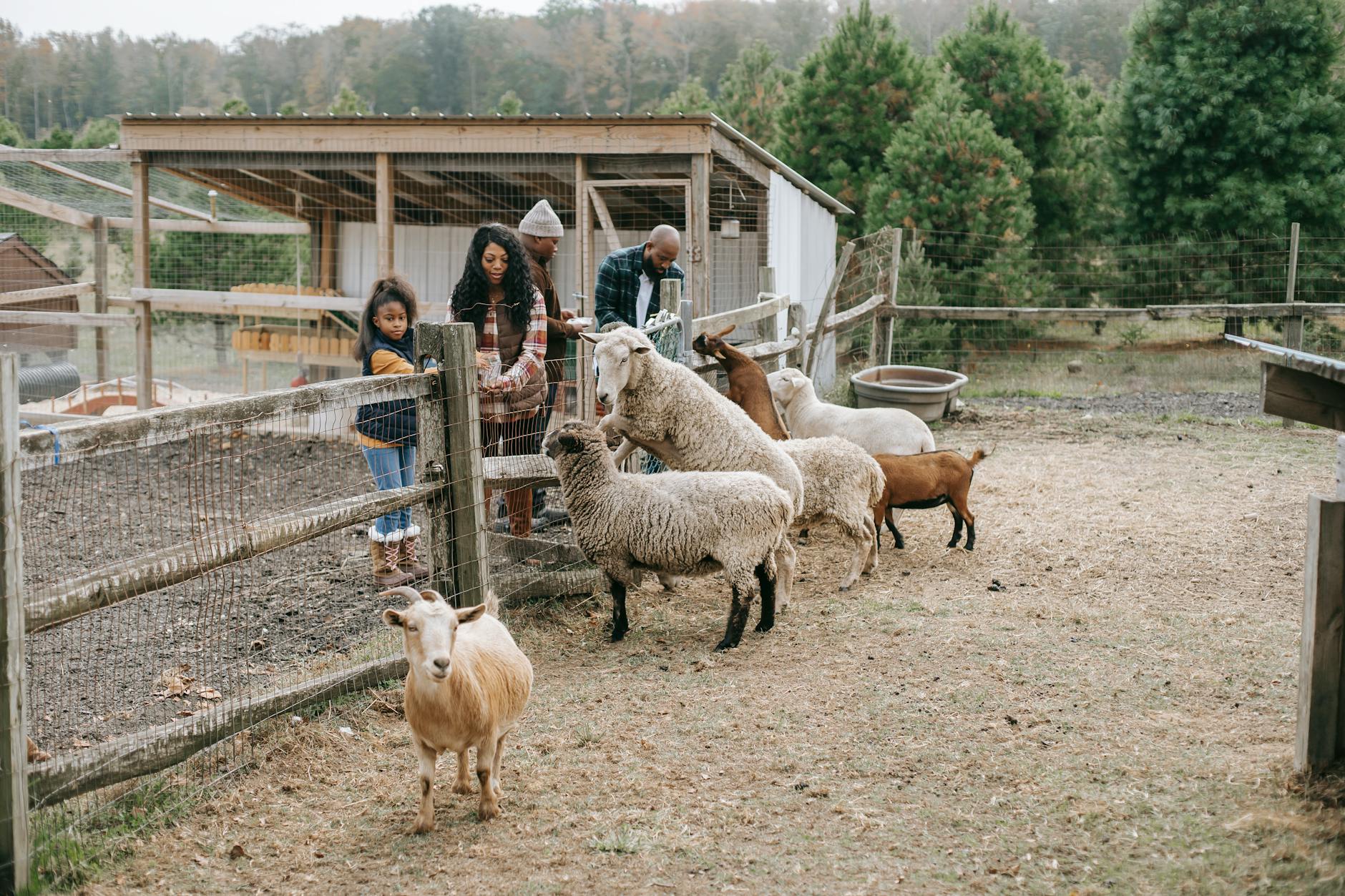
4. Mineral and Vitamin Supplementation: Adequate mineral and vitamin intake is crucial for goat health. Providing access to mineral supplements specifically formulated for goats can help ensure they receive essential nutrients, including calcium, phosphorus, and vitamins.
5. Water Availability: Access to clean, fresh water is vital for all aspects of goat health, including digestion, milk production, and temperature regulation. Ensure goats have continuous access to water sources in their grazing areas.
6. Dietary Fiber: High-fiber forages are essential for proper digestion in goats. Fiber aids in the rumination process and helps prevent digestive disorders. A diverse pasture with a mix of grasses and browse plants can provide the necessary fibre content.
7. Energy Requirements: Goats need the energy to support their daily activities and maintain their body conditions. Energy can be derived from carbohydrates in forages. If goats are losing weight or need additional energy, supplemental grains such as corn or oats can be provided.
8. Monitoring Body Condition: Regularly assess the body condition of your goats to ensure they are neither too thin nor overweight. Adjust their diet accordingly to maintain an ideal body condition score.
9. Seasonal Considerations: The nutritional needs of grazing goats can vary with the seasons. During the growing season, when forage is abundant and of high quality, goats may require fewer supplements. In contrast, during the winter or dry seasons, when forage is scarce or of lower quality, additional supplementation may be necessary.
10. Health and Veterinary Care: Regular health checks and consultation with a veterinarian are essential to monitor the overall health and nutritional status of your goats. They can provide guidance on specific dietary requirements, deworming, and vaccinations.
11. Avoid Overgrazing: Overgrazing can deplete pastures and reduce the availability of nutritious forage. Implement grazing management practices to prevent overgrazing and maintain the health of your grazing lands.
meeting the feeding requirements of grazing goats involves providing a well-balanced diet of high-quality forages, managing pastures effectively, and addressing specific nutritional needs based on factors such as age, reproductive status, and seasonal variations.
Active management and attention to the nutritional needs of your goats are essential for their health, productivity, and overall well-being.
Some goats are kept mainly for the flesh while some are kept for the sole. Purpose of the hide and skin
Vitamin requirements for a goat are as follows.
goats
1. Goats require vitamins and minerals for proper growth
2. They require vitamins A, B, E and Knowledge (fat-soluble) and water-soluble vitamins.
3. C & B COMPLEX
Grazing goats satisfy their vitamin A needs from the carotenoids in green plants.
5. They obtain vitamin B by activating the skin sterol through the ultraviolet rays of the sun
6. Vitamin E & K can be supplied from the green forage which the goats consume

7. Most farm animals can synthesize vitamin C from the glucose of man and other primates cannot.
Rumen micro-organisms are capable of synthesizing B complex vitamins which the goats can absorb.
It can be said that for Grazing goats, very little, if any vitamin supplements are required
Don’t forget to use the comment box and leave a message or suggestion and we will get back to you within seconds.
You can read some of the most interesting topics below
159. TAPEWORM
REQUIREMENTS FOR GRAZING GOATS
Grazing goats satisfy their vitamin A needs from the carotenoids in green plants.
5. They obtain vitamin B by activating the skin sterol through the ultraviolet rays of the sun
6. Vitamin E & K can be supplied from the green forage which the goats consume
7. Most farm animals can synthesize vitamin C from the glucose of man and other primates cannot.
Rumen micro-organisms are capable of synthesizing B complex vitamins which the goats can absorb.
It can be said that for Grazing goats, very little, if any vitamin supplements are required
don’t forget to use the comment box and leave a message or suggestion and we will get back to you within seconds.
You can read some of the most interesting topics below
Originally posted 2023-10-01 17:25:45.