
Chilli Pepper: Nutrition, Benefits, Uses & Cultivation. Chilli pepper is a globally loved spice and vegetable. Beyond the heat, it delivers vitamins, antioxidants, and capsaicin—the bioactive compound behind its punch and many health benefits.
This guide covers definition, origin, types, nutritional value, evidence-backed health benefits, culinary uses, processing, farming practices, storage, safety, and FAQs.
What Is Chilli Pepper?
Chilli pepper is the pungent fruit of plants in the genus Capsicum. Botanically it is a berry (fruit), but in the kitchen it serves as a vegetable and spice.
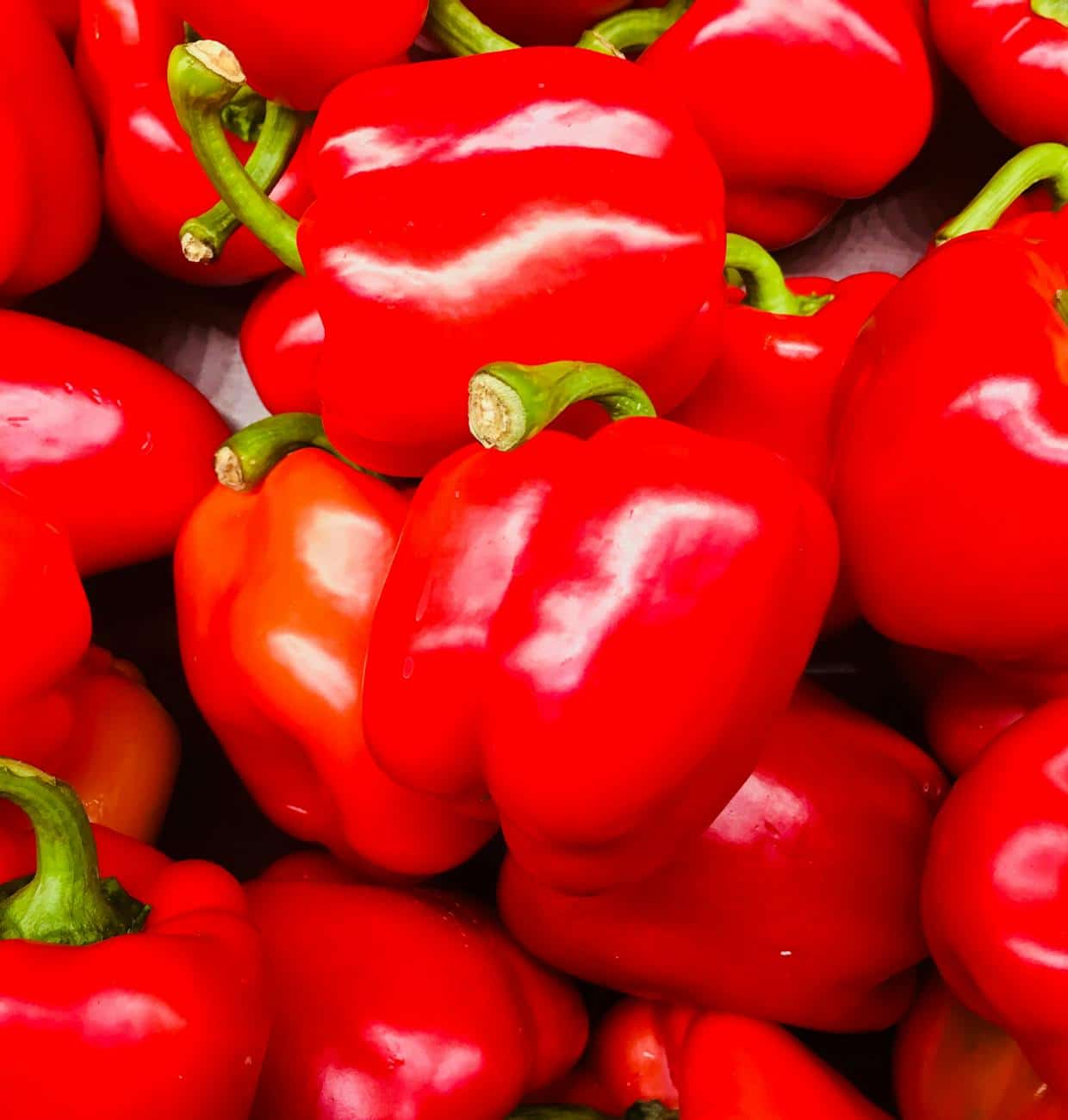
Popular species include Capsicum annuum (jalapeño, cayenne), Capsicum chinense (scotch bonnet, habanero), Capsicum frutescens (bird’s eye), Capsicum baccatum, and Capsicum pubescens.
FAQs (1–8)
1. Is chilli pepper a fruit or a vegetable?
Botanically a fruit; culinarily used as a vegetable and spice.
2. What makes chilli peppers hot?
Capsaicin binds to TRPV1 receptors, creating a heat/pain sensation.
3. Which is hotter: red or green?
Red peppers are ripe and often seem hotter and sweeter; true heat depends on variety and capsaicin content.
4. What is the Scoville Heat Scale?
A scale that estimates chilli heat in Scoville Heat Units (SHU) based on capsaicin levels.
5. Can chilli pepper help with weight management?
Capsaicin may boost thermogenesis and modestly reduce appetite as part of an overall plan.
6. Is it safe to eat chilli pepper daily?
Moderate intake is generally safe; adjust if you experience reflux, gastritis, or irritation.
7. How do I reduce heat in a dish?
Remove seeds and pith, add dairy or fat, dilute with starch, or use sugar/acid balance.
8. Are there non-hot chillies?
Yes—bell peppers (sweet peppers) have negligible capsaicin.
Origin, Domestication, and Global Spread
Chillies were domesticated in the Americas over 6,000 years ago. After the Columbian Exchange, they spread rapidly across Africa, Asia, and Europe, integrating into cuisines from Nigeria and Ghana to India, China, and the Caribbean. Today, chillies are economic and cultural staples across the tropics and subtropics.
Taxonomy and Major Species
Capsicum annuum
Includes bell pepper, jalapeño, cayenne, paprika types; wide genetic diversity and broad adaptability.
Capsicum frutescens
Bird’s eye and tabasco types; small fruits, high pungency, prolific flowering.
Capsicum chinense
Extremely hot, aromatic types like habanero and scotch bonnet (popular in West Africa and the Caribbean).
Capsicum baccatum
Aji varieties with fruity notes, common in South America.
Capsicum pubescens
Thick-walled, black-seeded rocoto; prefers cooler highland environments.
Scoville Heat and Capsaicin
What determines heat?
Genetics, maturity, stress, and growing conditions shape capsaicinoid production. Placental tissue (the white pith) concentrates heat.
Practical heat ranges
Bell pepper: 0 SHU; Jalapeño: ~2,500–8,000; Cayenne: ~30,000–50,000; Bird’s eye: ~50,000–100,000; Habanero/Scotch bonnet: ~100,000–350,000; Super-hots (e.g., Carolina Reaper): 1,400,000+.
Handling tips
Use gloves, avoid eye contact, clean cutting boards with soap and oil, and keep dairy on hand for accidental burns.
Nutritional Value of Chilli Pepper
Per 100 g fresh chilli (approximate): 40 kcal, 9 g carbohydrate, 2 g protein, 0.4 g fat, 1.5–2 g fiber. Notable micronutrients include vitamin C, provitamin A (beta-carotene), vitamin B6, potassium, and small amounts of iron and magnesium. Red ripe chillies contain carotenoids and other antioxidants that support immune and skin health.
Evidence-Backed Health Benefits
Metabolism and Weight Management
Capsaicin can slightly increase energy expenditure and fat oxidation, supporting a calorie-controlled diet and active lifestyle.
Cardiometabolic Health
Dietary patterns including chilli pepper may associate with improved lipid profiles and circulation; balance overall sodium and fat intake for best results.
Glycaemic Control
Some studies suggest improved postprandial glucose handling when chillies are included with mixed meals.
Antioxidant and Immune Support
Vitamin C and carotenoids help neutralize free radicals and support collagen synthesis and immune function.
Pain Modulation
Topical capsaicin creams are used for neuropathic pain and arthritis by desensitizing nociceptors.
Digestive Effects
Moderate amounts stimulate saliva and gastric juices; excessive intake can aggravate reflux or gastritis in sensitive individuals.
Eye and Skin Health
Provitamin A supports vision; antioxidants aid skin resilience. Avoid direct skin/eye exposure to raw capsaicin.
Culinary Uses Around the World
Fresh
Sliced into salads, salsas, stews, jollof, and stir-fries; adds brightness and heat.
Dried and Ground
Cayenne, paprika, chilli flakes; ideal for rubs, marinades, and long-storage spice blends.
Pastes and Sauces
Pepper pastes, harissa, gochujang-style mixes, and diverse hot sauces (fermented or vinegar-based).
Pickled and Fermented
Pickled rings, atchar-style relishes, and probiotic-rich ferments bring heat plus acidity.
Infused Oils and Flakes
Chilli oil elevates noodles, eggs, and vegetables; flakes finish pizzas and soups.
Pairing Tips
Acid (lime, vinegar), fat (palm oil, olive oil, butter), and sweetness (tomato, honey) balance heat. Herbs like cilantro, basil, and thyme add aromatic lift.
Processing and Value-Added Products
Chillies become powders, flakes, pastes, sauces, pickles, dehydrated rings, and oleoresins. Value addition increases shelf life and market price; quality control focuses on moisture (for mould prevention), color retention, flavour consistency, and microbial safety in fermented products.
Chilli Pepper Farming and Cultivation
Climate and Soil
Warm-season crop thriving at 20–30°C in well-drained loams (pH ~6.0–6.8). Avoid waterlogging.
Propagation and Planting
Start in nurseries; transplant at 4–6 weeks with 40–60 cm spacing depending on variety. Harden seedlings before transplanting.
Nutrient and Water Management
Incorporate compost; apply balanced NPK with added calcium/magnesium as needed. Use mulches for moisture conservation. Drip irrigation reduces disease and improves fruit set.
Training and Pruning
Stake taller varieties; remove early buds on weak seedlings to strengthen plants.
Pests and Diseases
Common issues: aphids, whiteflies, thrips, fruit borers; viral complexes, anthracnose, bacterial spot, and powdery mildew. Integrated pest management: resistant varieties, clean seedlings, sticky traps, crop rotation, proper spacing, and careful use of bio-rational or approved pesticides.
Flowering and Fruit Set
Heat or water stress can cause blossom drop. Maintain steady moisture, avoid excess nitrogen, and ensure pollinator activity.
Harvesting
Harvest green for fresh markets or fully red for drying/processing. Use clean clippers to reduce plant injury.
Post-Harvest Handling and Storage
Sort by size and color, remove damaged fruits, pre-cool, and store at 7–10°C for fresh chillies. For drying, target safe moisture (~10–12%) to prevent mould; store in airtight containers away from light.
Economics and Trade
Chilli pepper has strong local and export demand, with steady markets for fresh, dried, and processed products. Smallholders can boost income through off-season production, improved varieties, and value-added items like powders and sauces. Quality grading, packaging, and reliable supply chains raise farm-gate prices.
Safety, Side Effects, and Contraindications
People with GERD, gastritis, haemorrhoids, or sensitive skin should moderate intake and avoid direct contact with capsicum oils. Use gloves when handling hot varieties; keep capsaicin away from eyes and children. In cooking, balance heat to maintain palatability and digestive comfort.
Storage and Preservation
Refrigerate fresh chillies in breathable bags for up to two weeks. For long-term storage, sun- or oven-dry, dehydrate, pickle, ferment, or freeze whole/diced chillies. Keep powders dry and sealed to preserve colour and flavour.
FAQs (9–15)
9. What is the difference between chilli, chile, and chili?
Spelling varies by region; all refer to Capsicum fruits. “Chilli” (UK/Nigeria), “chile” (Latin America), “chili” (US).
10. Which varieties are common in West Africa?
Scotch bonnet (often called ata rodo), bird’s eye, cayenne, and long slim hot peppers.
11. Can I grow chilli pepper in containers?
Yes—use 10–20 litre pots, fertile drainage-friendly mix, regular feeding, and full sun.
12. Do chillies lose nutrients when dried?
They lose some vitamin C but retain capsaicinoids, carotenoids, and flavour compounds well.
13. Are chilli seeds the hottest part?
No—the placenta (white pith) holds most capsaicin; seeds feel hot because they touch the pith.
14. Can capsaicin help with pain?
Topical capsaicin may ease neuropathic and arthritic pain; use products as directed.
15. How do I choose the right heat level?
Match variety to dish and audience: mild for family meals, medium for everyday heat, and hot for chilli lovers.
Summary
Chilli pepper is more than heat—it’s nutrient-dense, versatile, and economically important. Use fresh, dried, pickled, or fermented forms to build flavour while leveraging capsaicin’s metabolic and antioxidant benefits. Growers can profit through improved varieties, good agronomy, and value addition. Handle with care, balance recipes, and store properly to enjoy year-round.
Originally posted 2022-01-12 11:13:04.