
Bulbils: Structure, Formation, and Biological Significance
Bulbils are small, bulb-like structures that develop on a plant, usually in place of flowers or in the axils of leaves. They serve as specialized vegetative reproductive organs, enabling plants to propagate without seeds. Bulbils are essentially miniature bulbs containing stored nutrients, and once mature, they can detach from the parent plant and grow into a new individual.
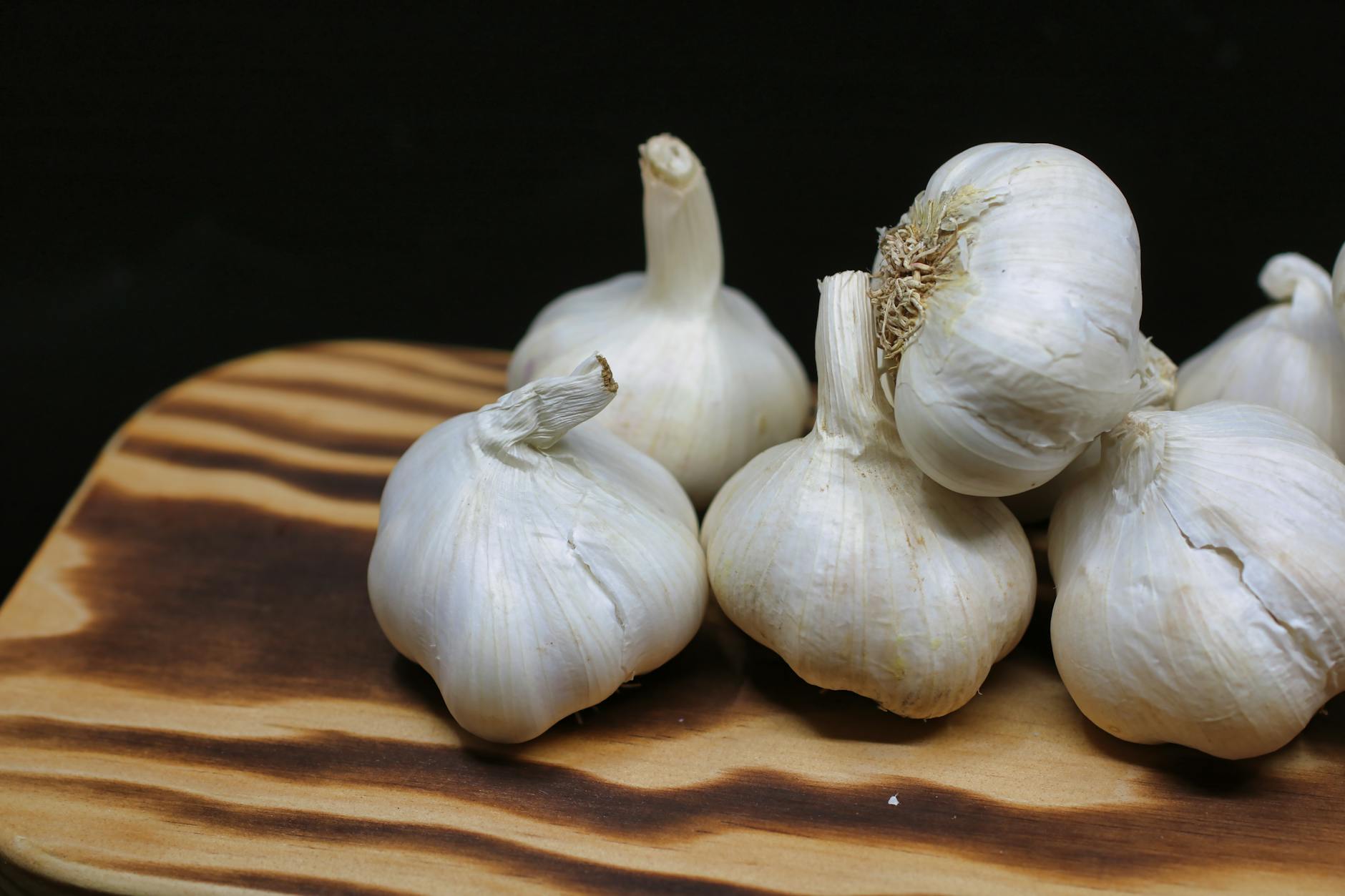
Structure of Bulbils
Bulbils resemble small bulbs but are usually found above ground. Their structure generally includes:
- Scales or Leaf-Like Coverings – Protects the growing bud inside.
- Stored Food Reserves – Rich in starch and other nutrients to support early growth.
- Dormant Bud – Capable of sprouting into a full plant under favorable conditions.
Formation of Bulbils
Bulbils form through vegetative propagation. The process involves:
Cell Differentiation in axillary buds or inflorescence regions.
Accumulation of Nutrients for survival after detachment.
Maturation and Detachment, allowing the bulbil to fall to the ground and germinate
Examples of Plants Producing Bulbils
Garlic (Allium sativum)
Tiger Lily (Lilium lancifolium)
Air Potato (Dioscorea bulbifera)
Onion (Allium cepa) in some varieties
Biological Significance
Asexual Reproduction – Produces genetically identical offspring.
Survival Advantage – Bulbils can endure harsh environmental conditions.
Rapid Colonization – Helps plants quickly cover ground without depending on pollinators.
Advantages of Bulbils
- Quick reproduction without seeds.
- High survival rate due to stored nutrients.
- Ability to grow in areas unsuitable for seed germination.
- Less vulnerability to pests that attack seeds.
Disadvantages of Bulbils
- Reduced genetic diversity.
- Potential overcrowding around the parent plant.
- Vulnerability to diseases affecting genetically identical plants.
Summary
Bulbils are specialized reproductive structures that ensure plant survival and expansion, particularly in environments where seed germination is unreliable. They provide an efficient and nutrient-rich method of vegetative propagation.
FAQs About Bulbils
- What is the main function of bulbils?
To enable asexual reproduction and rapid spread of the plant. - How are bulbils different from bulbs?
Bulbs form underground, while bulbils typically form above ground on stems or in leaf axils. - Do all plants produce bulbils?
No, only certain species have evolved to use bulbils for reproduction. - Can bulbils be used for farming?
Yes, especially in crops like garlic and certain onions. - How long can a bulbil survive before sprouting?
Depending on the species, bulbils can remain viable for weeks or months. - Are bulbils genetically identical to the parent plant?
Yes, because they are produced by vegetative reproduction. - Can bulbils help in weed spread?
Yes, some invasive species spread aggressively through bulbils. - How should bulbils be planted?
Place them just under the soil surface in nutrient-rich, well-drained soil. - Do bulbils need sunlight to grow?
They require light after sprouting but can form on the parent plant without direct sunlight. - Are bulbils edible?
Some bulbils, like those of garlic, are edible; others may be toxic.
Originally posted 2025-08-14 20:29:34.