
laws and regulating fishing. Fishing is a vital source of food and income for millions of people around the world.
However, overfishing and destructive fishing practices have led to the depletion of fish populations and the destruction of marine ecosystems.
To address these issues, many countries have implemented fishing laws and regulations to manage their fishing industries and protect their marine resources.
Types of Fishing Laws
Fishing laws can be categorized into several types based on their objectives and scope. Some of the most common types of fishing laws include:
- Conservation Laws: These laws are designed to conserve fish populations and their habitats. They typically set limits on the amount of fish that can be caught and establish closed seasons and areas where fishing is prohibited.
- Licensing Laws: These laws require fishermen to obtain a license before they can fish. Licenses may be issued for specific areas or species and can be subject to conditions such as the use of specific gear or the submission of catch data.
- Gear Restrictions: Gear restrictions are used to limit the type and quantity of fishing gear that can be used. This can include restrictions on the size of nets, the use of certain types of hooks or baits, and the prohibition of certain types of gear altogether.
- International Agreements: International agreements are used to manage fisheries that cross international boundaries. These agreements can include measures such as quotas, licensing requirements, and restrictions on fishing gear.
List of International Fishing Companies
There are many international fishing companies that operate around the world. Some of the largest include:
- Mitsubishi Corporation (Japan)
- Maruha Nichiro Corporation (Japan)
- Nippon Suisan Kaisha (Japan)
- Dongwon Industries (South Korea)
- Thai Union Group (Thailand)
- Cargill Aqua Nutrition (USA)
- Bumble Bee Foods (USA)
- Pacific Andes International Holdings (Hong Kong)
- High Liner Foods (Canada)
- Clearwater Seafoods (Canada)
Importance of Laws and Fishing Regulations
Fishing laws and regulations are critical for managing the fishing industry and protecting marine resources. Without these laws, overfishing and destructive fishing practices can cause irreparable damage to ecosystems and lead to the depletion of fish populations.
Well-designed fishing laws and regulations can help ensure that fishing practices are sustainable and that fish populations can continue to provide food and income for future generations. They can also help protect the livelihoods of fishermen and the communities that depend on fishing.
Governments regulate the fishing industry for several reasons:
- Conservation: Fishing regulations are put in place to protect fish populations and their habitats from overfishing and other destructive fishing practices. This helps to maintain healthy fish populations, which in turn supports sustainable fishing practices and preserves marine ecosystems.
- Economic benefits: Fishing is an important source of income and employment for many people around the world. Regulations help to ensure that fishing practices are sustainable, which means that they can continue to provide economic benefits to fishermen and the communities that rely on fishing.
- Food security: Fish is an important source of protein and other nutrients for millions of people around the world. Fishing regulations help to ensure that fish populations are not depleted, which means that people can continue to rely on fish as a source of food.
- International obligations: Many countries have international obligations to manage their fishing resources in a sustainable manner. This is particularly important for countries that share fish stocks with neighbouring countries, as well as for countries that are members of international organizations such as the United Nations.

Overall, the regulation of the fishing industry is essential for ensuring that fish populations and marine ecosystems are protected, that the economic benefits of fishing are sustainable and that fish continue to be an important source of food for people around the world.
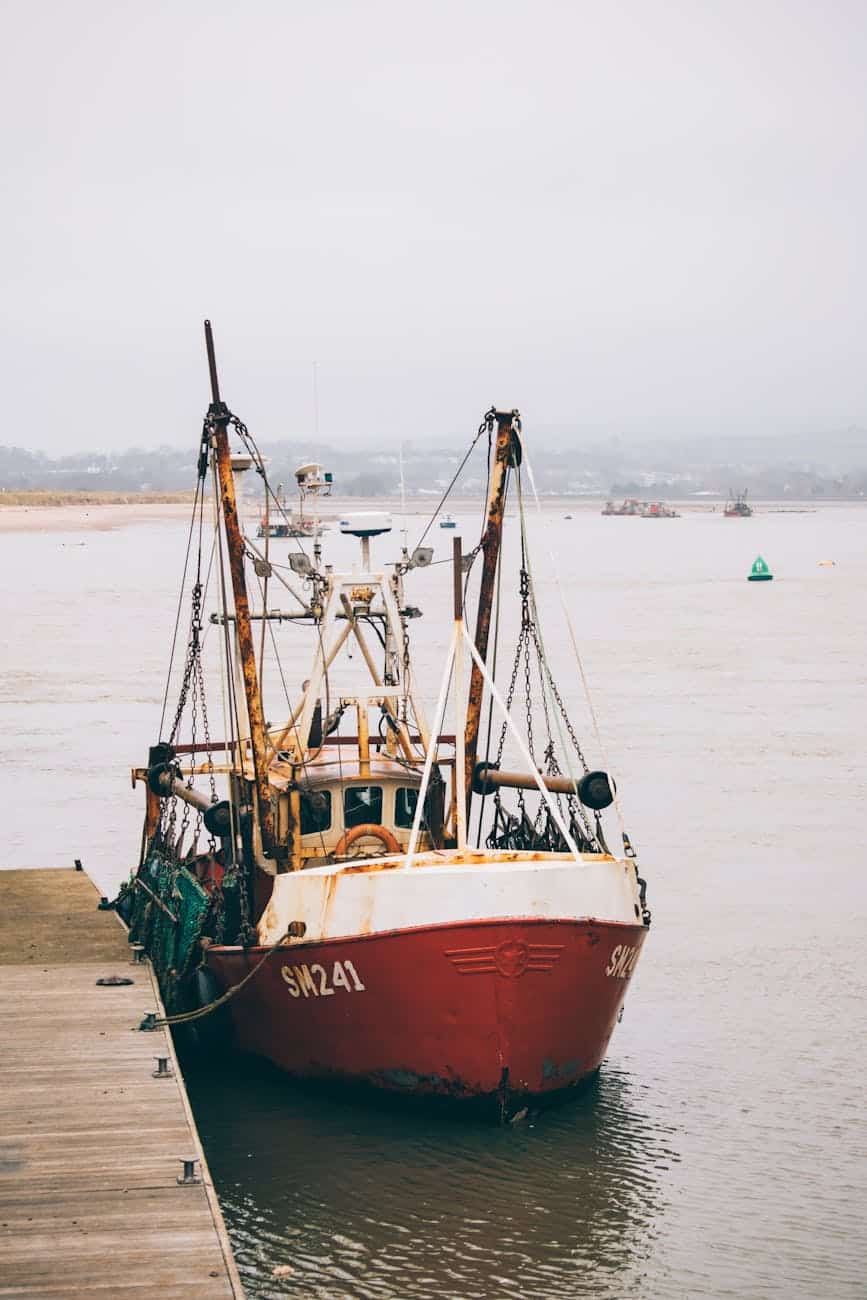
fishing laws and regulations are essential for managing the fishing industry and protecting marine resources. By implementing these laws, countries can help ensure that their fishing practices are sustainable and that they can continue to rely on marine resources for food and income in the future.
BASIC LAWS AND REGULATIONS FOR FISHING
MEANING
Fishery regulation is a set of rules and laws governing the exploitation and other practices of fishery resources, especially in open-access water.
In other words, fishery regulations are laws made by the government in order to control and protect fish harvesting so that they do not go into extinction and for them (fishes) to be in regular supply from time to time.
Fishery regulations or decrees in Nigeria were promulgated in 1971 during General Yakubu Gowon’s regime.
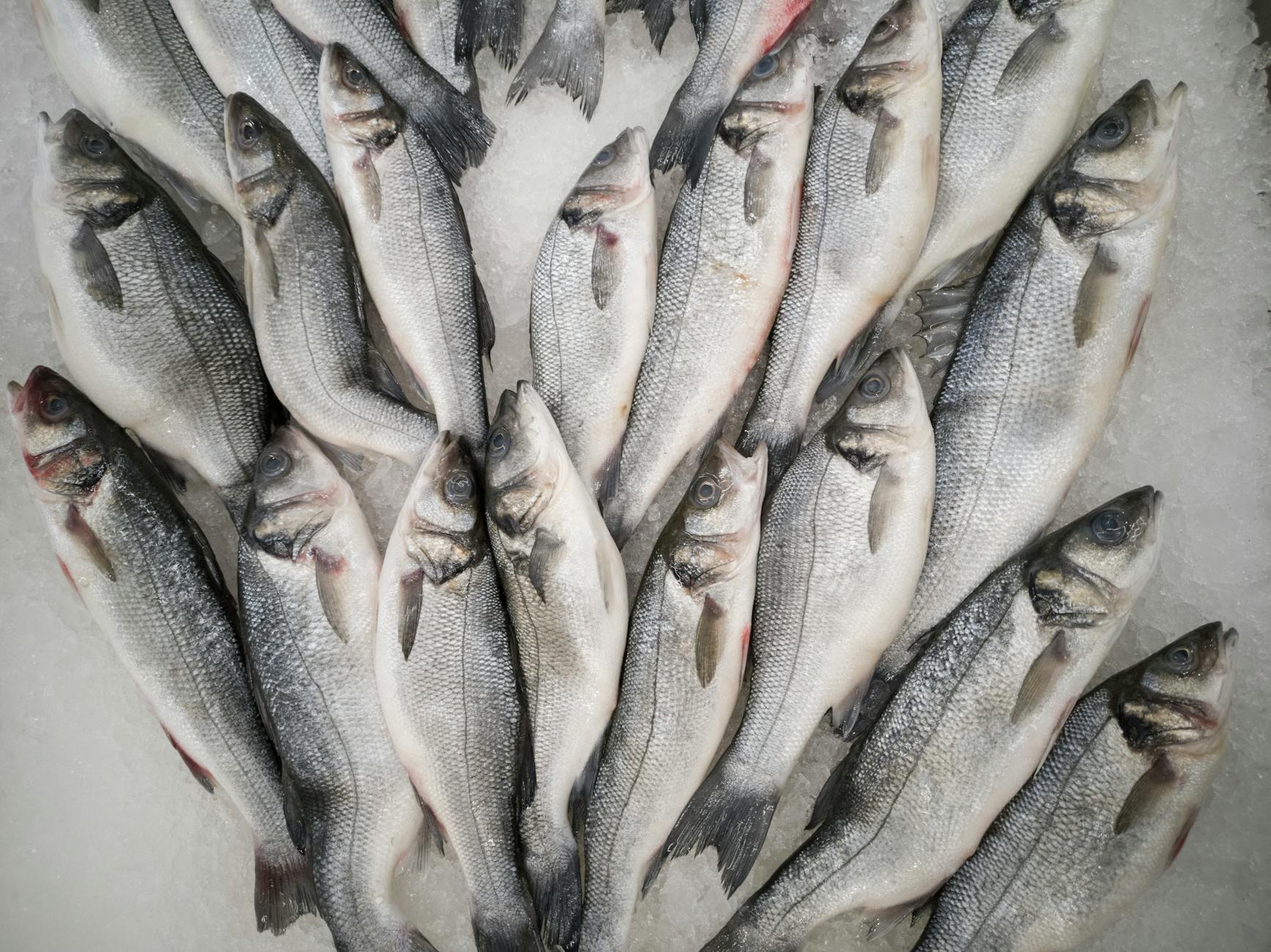
The regulations are:
(1) Close season: This is a regulation in which no fishing is permitted to take place for a given period of time. This allows the smaller fishes to grow and mature.
(3) Mesh size regulation: This involves the use of a particular mesh of net size that only the matured fishes are caught, Thus protecting the young ones
(4) Regular stocking: This involves the addition of compactable species of fish to increase the population of fish in water
(5) Population control: This involves the use of other fish types like claries (catfish) to eat up tilapia or early harvesting to prevent overpopulation
(6) Protection of territorial waters: No vessels (except canoes) shall fish within the first two nautical miles of the water of the Nigerian continental shelf.
(7) Ban on the use of explosives: The use of explosive substances for fishing is prohibited because it often results in the death of both the mature and the young fish.
(8) Ban on the use of chemicals or poisonous materials: The use of noxious or poisonous chemicals is prohibited because it also results in the death of both mature and young ones.
(9) Landing tax: Landing tax should be introduced such that total catch and sizes of fish should be taxed at the site of landing.
(10) Allocation of fishing areas: fishing areas are allocated to individual fishermen so as to curb indiscriminate interference within large fishing areas.
(11) Restriction on breeding section: The breeding section of water should be identified so as to restrict fishing in that section.
(12) Ban on the discharge of pollutants or toxic substances: Pollutants or toxic materials should not be discharged into Nigerian waters.
(13) Prohibition of dumping toxic materials: The dumping of toxic materials or industrial wastes should be prohibited in fishing areas or water.
(14) Certification for consumption: There should be a certification that fish to be sold to the public are safe for human consumption.
(15) Prohibition on the killing of endangered species: The law that forbids the killing of endangered aquatic animals should be prohibited.
(16) Ban on electro-fishing: Electro-fishing is outlawed except for research purposes.
WAYS OF MAKING FISHERY REGULATIONS EFFECTIVE IN THE WORLD
There are several ways in which fishery regulations can be made effective in Nigeria. These are:
(1) Use of local or native languages: The fishery regulations should be written and made available in local or native languages.
(2) Simple presentation to fishermen: The regulations should be presented to the fishing community or fishermen in very simple ways.
(3) Wife publicity to create awareness::The regulations should be given wide publicity, using radio, television, posters, leaflet/handbills in order to bring such to the awareness of the people.
(4) Use of law enforcement agents: Appropriate law enforcement agents should be used to enforce the regulations.
(5) Revocation of licences: There should be revocation or withdrawal of licences of defaulting fishermen.
(6) Prosecution of defaulters: There should be prosecution of defaulting fishermen
Fishing License
A fishing license is a permit or authorization issued by a government agency that allows an individual to fish in public waters, such as lakes, rivers, and oceans. The license typically has specific requirements and restrictions, such as:
Types of Fishing Licenses:
- Resident License: For individuals who live in the state or province where they plan to fish.
- Non-Resident License: For individuals who do not live in the state or province where they plan to fish.
- Recreational License: For individuals who fish for personal enjoyment or sport.
- Commercial License: For individuals or businesses that fish for profit.
Purpose of Fishing Licenses:
- Conservation: Fishing licenses help fund conservation efforts, such as fish stocking, habitat restoration, and research.
- Management: Licenses help manage fish populations, prevent overfishing, and ensure sustainable fishing practices.
- Revenue Generation: Licenses generate revenue for government agencies, which can be used to support fisheries management and conservation efforts.
Requirements for Obtaining a Fishing License:
- Age Requirements: Typically, individuals above a certain age (e.g., 16 or 18) need a fishing license.
- Residency Requirements: Proof of residency may be required to obtain a resident license.
- Fees: License fees vary depending on the type of license, residency status, and duration of the license.
- Education Requirements: Some jurisdictions require completion of a fishing education course or certification.
Benefits of Fishing Licenses:
- Access to Public Waters: A fishing license grants access to public waters, allowing individuals to fish in designated areas.
- Support for Conservation: License fees contribute to conservation efforts, helping to protect fish populations and habitats.
- Regulation of Fishing Activities: Licenses help regulate fishing activities, ensuring sustainable practices and preventing overfishing.
Importance of Fishing Licenses:
- Sustainable Fishing: Fishing licenses help promote sustainable fishing practices, ensuring the long-term health of fish populations.
- Conservation Funding: License fees generate revenue for conservation efforts, supporting research, habitat restoration, and fish stocking programs.
- Accountability: Licenses help track fishing activity, allowing for better management and enforcement of fishing regulations.
By obtaining a fishing license, anglers can enjoy their sport while contributing to the conservation and management of fish populations and aquatic ecosystems.
Bag Limits and Size Limits: Understanding Fishing Regulations
Bag Limits:
- Definition: Bag limits refer to the maximum number of fish an angler can catch and keep in a single day.
- Purpose: Bag limits help conserve fish populations, prevent overfishing, and ensure sustainable fishing practices.
- Variations: Bag limits can vary depending on the species, location, and time of year.
Size Limits:
- Definition: Size limits specify the minimum or maximum size of fish that can be caught and kept.
- Purpose: Size limits help protect juvenile fish, allow them to reach maturity, and ensure sustainable fishing practices.
- Types:
- Minimum Size Limit: Fish below a certain size must be released.
- Maximum Size Limit: Fish above a certain size must be released.
- Slot Limit: Fish within a specific size range can be kept, while those outside the range must be released.
Importance of Bag and Size Limits:
- Conservation: Bag and size limits help conserve fish populations and maintain ecosystem balance.
- Sustainability: These limits ensure sustainable fishing practices, allowing fish populations to replenish themselves.
- Fairness: Bag and size limits promote fairness among anglers, preventing overfishing and ensuring equal access to fishing resources.
Key Considerations:
- Check Local Regulations: Familiarize yourself with local bag and size limits, as they can vary depending on the location and species.
- Measure Fish Accurately: Measure fish carefully to ensure compliance with size limits.
- Handle Fish with Care: Handle fish gently to minimize harm and promote successful release.
By understanding and following bag and size limits, anglers can contribute to the conservation and sustainability of fish populations, ensuring a healthy and enjoyable fishing experience for future generations.
Here are 15 FAQs and answers on fishing laws and regulations:
FAQ: Fishing Laws and Regulations
- Q: What are fishing laws and regulations?
A: Fishing laws and regulations are rules that govern fishing practices to conserve fish populations, protect the environment, and ensure sustainable fishing. - Q: Why are fishing laws and regulations important?
A: Fishing laws and regulations help maintain healthy fish populations, protect marine ecosystems, and ensure fair access to fishing resources. - Q: What is the purpose of fishing licenses?
A: Fishing licenses help regulate fishing activities, generate revenue for conservation efforts, and track fishing participation. - Q: What are bag limits?
A: Bag limits are restrictions on the number of fish an angler can catch and keep in a single day. - Q: What are size limits?
A: Size limits specify the minimum or maximum size of fish that can be caught and kept. - Q: What is catch-and-release fishing?
A: Catch-and-release fishing involves catching fish and releasing them back into the water unharmed. - Q: Are there specific regulations for different types of fishing?
A: Yes, regulations vary for recreational, commercial, and subsistence fishing, as well as for different species and locations. - Q: How do fishing regulations impact conservation efforts?
A: Fishing regulations help conserve fish populations, protect habitats, and maintain ecosystem balance. - Q: What are the consequences of violating fishing regulations?
A: Violating fishing regulations can result in fines, penalties, and even license revocation. - Q: How can I stay informed about fishing regulations?
A: Check with local fisheries agencies, websites, or mobile apps for up-to-date information on fishing regulations. - Q: Can fishing regulations vary by location?
A: Yes, fishing regulations can vary by state, province, or country, so it’s essential to familiarize yourself with local regulations. - Q: What is the role of fisheries management in regulating fishing?
A: Fisheries management involves science-based decision-making to ensure sustainable fishing practices and conserve fish populations. - Q: How do fishing regulations impact commercial fishing?
A: Commercial fishing regulations help ensure sustainable fishing practices, prevent overfishing, and maintain economic viability. - Q: Can I fish in protected areas?
A: Fishing in protected areas may be restricted or prohibited to conserve sensitive habitats or species. - Q: How can I report fishing regulation violations?
A: Report violations to local fisheries agencies or conservation organizations, providing as much detail as possible.
“Learn about fishing laws and regulations, their importance, and how to stay informed. Discover the role of regulations in conservation efforts and sustainable fishing practices.”
9.
11. IRRIGATION SYSTEMS
12. ORGANIC MANURING
13. FARM YARD MANURE
14. HUMUS
15. COMPOST
16. CROP ROTATION
IRRIGATION AND DRAINAGE
19. IRRIGATION SYSTEMS
20. INCUBATORS
21. MILKING MACHINE
22. SIMPLE FARM TOOLS
23. AGRICULTURAL MECHANIZATION
24. THE CONCEPT OF MECHANIZATION
25. PROBLEMS OF MECHANIZATION
Originally posted 2021-12-12 16:59:43.