
Anti-Diabetic Hormone: Definition, Types, and Functions, The regulation of blood sugar is one of the most important processes in the human body. The body uses a group of hormones to keep blood glucose levels stable. Some hormones raise blood sugar, while others lower it.
The hormones that lower blood sugar are called anti-diabetic hormones. The most important of them is insulin, but there are also supporting hormones like amylin, GLP-1, GIP, and somatostatin.
Understanding these hormones is essential in explaining how the body prevents diabetes and other metabolic disorders.
Frequently Asked Questions (FAQ)
What is the main anti-diabetic hormone?
The main anti-diabetic hormone is insulin, secreted by the beta cells of the pancreas.
Are there other anti-diabetic hormones apart from insulin?
Yes. Amylin, GLP-1, GIP, and somatostatin all assist insulin in lowering or stabilizing blood glucose levels.
How do anti-diabetic hormones work?
They lower blood sugar by promoting glucose uptake into body cells, slowing digestion, stimulating glycogen storage, and preventing excess sugar release.
Importance of Anti-Diabetic Hormones
Blood sugar balance is critical because the brain, muscles, and other tissues depend on glucose for energy. Too much glucose leads to hyperglycemia, while too little causes hypoglycemia.
Anti-diabetic hormones ensure that glucose stays within a healthy range. Without them, diabetes mellitus develops, and this can damage the heart, kidneys, eyes, and nerves.
The Primary Anti-Diabetic Hormone: Insulin
Insulin is the most powerful anti-diabetic hormone. It is produced by the beta cells in the islets of Langerhans within the pancreas.
Functions of insulin
- Helps body cells absorb glucose from the blood.
- Promotes glycogen formation in the liver and muscles.
- Increases protein and fat storage for future use.
- Prevents the breakdown of glycogen and fat when glucose is already available. When insulin is deficient or ineffective, blood sugar remains high, leading to diabetes. check out this post on glycolysis
Supporting Anti-Diabetic Hormones
Although insulin is the key hormone, other hormones play important roles in blood sugar regulation.
Amylin
- Secreted alongside insulin by beta cells.
- Delays stomach emptying after a meal.
- Reduces appetite and slows food absorption.
- Prevents sharp rises in blood sugar after eating. Incretins (GLP-1 and GIP)
- Released by the small intestine when food is consumed.
- Stimulate extra insulin release in response to glucose.
- Reduce appetite and slow stomach emptying.
- Used in modern diabetes treatment as incretin-based drugs. Somatostatin
- Produced by the delta cells of the pancreas.
- Regulates the balance between insulin and glucagon.
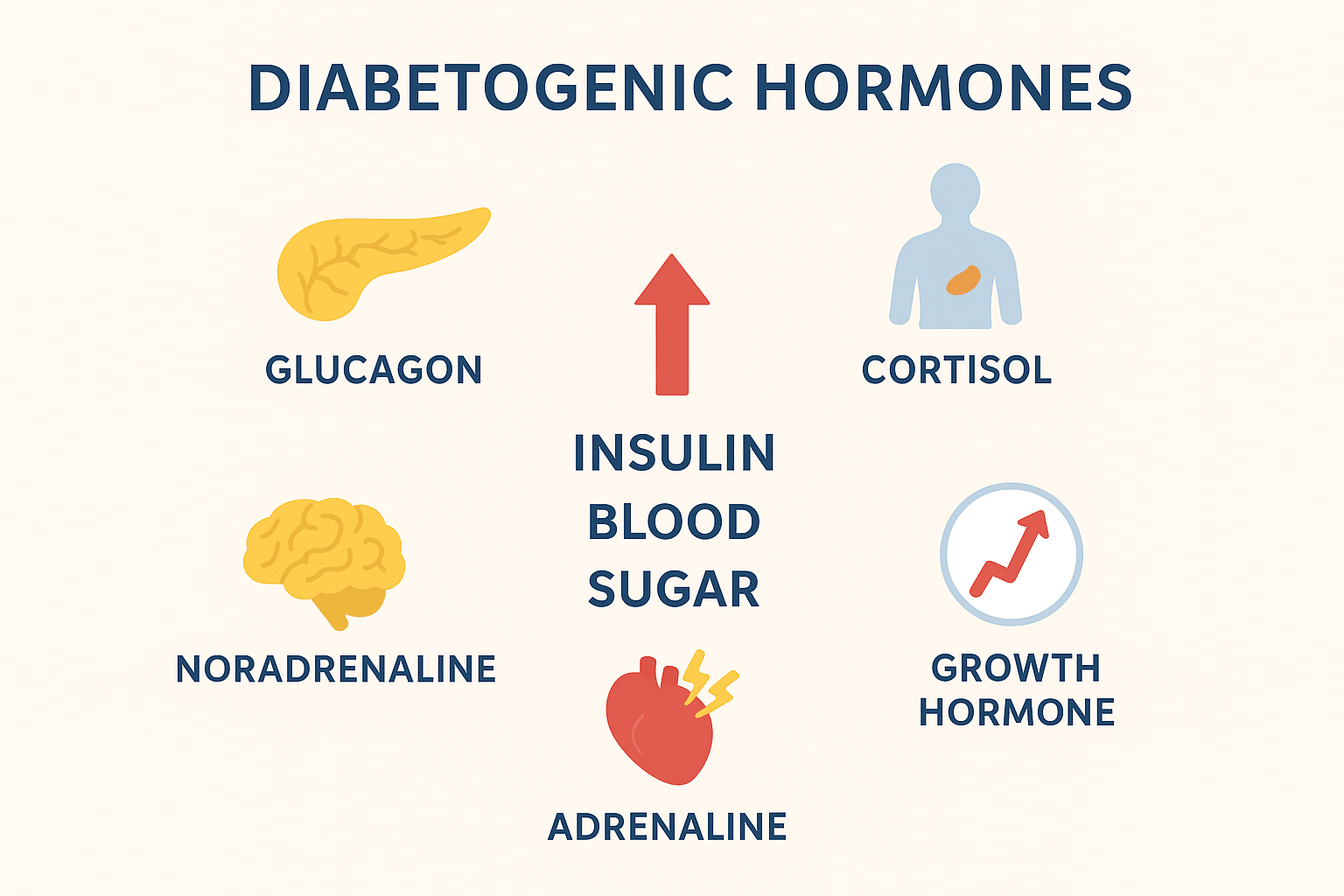
- Prevents blood sugar from fluctuating too quickly. Anti-Diabetic vs. Diabetogenic Hormones The body maintains glucose balance by the combined action of two groups of hormones.
Diabetogenic hormones like glucagon, cortisol, adrenaline, and growth hormone increase blood sugar.
Anti-diabetic hormones like insulin and incretins decrease blood sugar.
The balance between these opposing forces ensures that the body always has enough glucose for energy without reaching harmful levels.
Mechanism of Action of Anti-Diabetic Hormones
Anti-diabetic hormones work through multiple mechanisms:
Increasing glucose uptake into muscles and fat cells.
Stimulating storage of glucose as glycogen.
Slowing down glucose absorption from the intestine.
Regulating appetite to prevent excessive food intake.
Preventing overproduction of glucose by the liver.
These actions keep blood glucose within the normal range of 70–110 mg/dl in fasting conditions.
Role of Anti-Diabetic Hormones in Diabetes
When anti-diabetic hormones fail to function properly, the body develops diabetes.
Type 1 diabetes
- Caused by destruction of pancreatic beta cells.
- Leads to absolute deficiency of insulin.
- Patients require lifelong insulin injections. Type 2 diabetes
- Caused by insulin resistance.
- The body still produces insulin but cells do not respond properly.
- Often linked to obesity and unhealthy lifestyle. Gestational diabetes
- Occurs during pregnancy when hormonal changes reduce insulin effectiveness.
- Usually resolves after delivery but increases risk of future diabetes. Clinical Uses of Anti-Diabetic Hormone Therapy Medical science has developed several therapies to mimic or enhance the effects of natural anti-diabetic hormones.
Insulin therapy: For Type 1 and severe Type 2 diabetes.
GLP-1 receptor agonists: Drugs that mimic incretins.
Amylin analogues: Used to control post-meal glucose rise.
DPP-4 inhibitors: Prevent breakdown of incretins in the body.
These therapies show how important anti-diabetic hormones are in medicine.
Lifestyle and Natural Regulation of Anti-Diabetic Hormones
Certain lifestyle practices support the natural action of anti-diabetic hormones.
Eating balanced meals with controlled carbohydrate intake.
Exercising regularly to increase insulin sensitivity.
Maintaining a healthy weight to reduce insulin resistance.
Avoiding excess sugar and processed foods.
These habits reduce the burden on insulin and help prevent diabetes.
Future of Anti-Diabetic Hormone Research
Scientists are developing new drugs and therapies that work with anti-diabetic hormones. Research focuses on:
Creating long-acting insulin.
Developing more effective GLP-1 receptor drugs.
Exploring gene therapy for beta cell regeneration.
Investigating gut microbiota and its effect on incretins.
The future promises more effective treatments that restore natural blood sugar balance.
Summary
Anti-diabetic hormones are the body’s natural defense against high blood sugar. Insulin is the primary anti-diabetic hormone, supported by amylin, incretins, and somatostatin.
They keep blood glucose within healthy limits, preventing diabetes and its complications. When these hormones fail or become ineffective, diabetes develops.
Modern medicine now uses therapies that mimic or enhance the action of these hormones, offering hope for millions of patients worldwide.
Final FAQ
Which hormone is the most powerful anti-diabetic hormone?
Insulin is the most powerful anti-diabetic hormone in the body.
How do incretins help in diabetes management?
Incretins like GLP-1 and GIP stimulate insulin release, reduce appetite, and help control post-meal blood sugar.
Can lifestyle changes improve the action of anti-diabetic hormones?
Yes. Healthy eating, weight control, and exercise improve insulin sensitivity and reduce the risk of diabetes.
Originally posted 2025-08-29 14:08:22.