
Phylogeny: Definition, Importance, and Applications in Biology
Explore the concept of phylogeny, its importance in evolutionary biology, methods of studying it, and its applications in medicine, taxonomy, and genetics.
What is Phylogeny?
Phylogeny refers to the evolutionary history and relationships among different groups of organisms, including species, populations, and genes. It traces how organisms are related through common ancestors and how they have diverged over time.
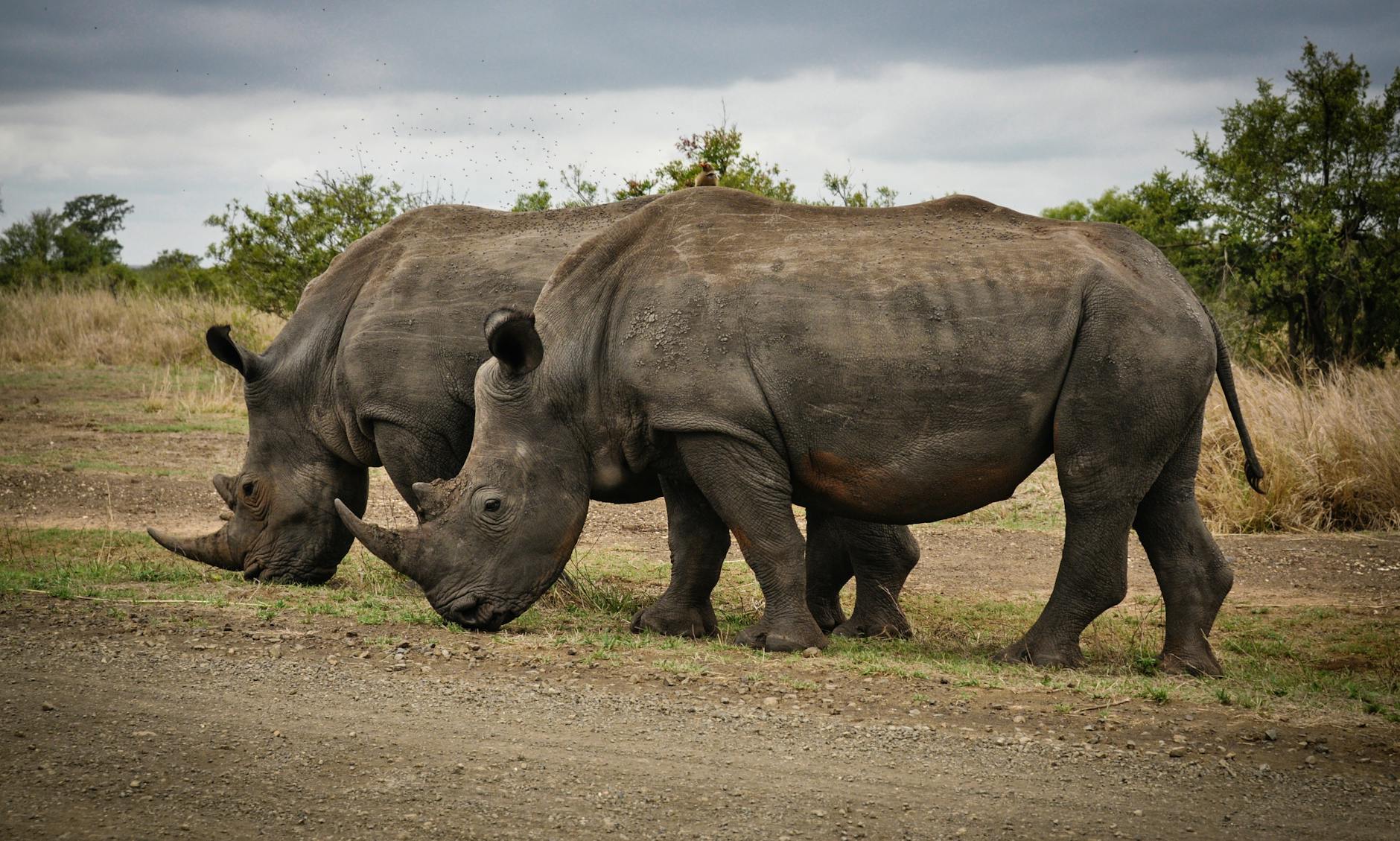
The concept provides a framework for understanding biological diversity and evolutionary processes. The word phylogeny comes from the Greek words phylon (tribe or race) and genesis (origin or creation).
In biology, phylogeny is fundamental because it allows scientists to reconstruct the “tree of life,” a branching diagram that illustrates the evolutionary pathways linking all living organisms.
Frequently Asked Questions on Phylogeny
- What is the main goal of studying phylogeny? The goal is to understand evolutionary relationships and trace the lineage of species through common ancestors.
- How is phylogeny different from taxonomy? Taxonomy is the classification of organisms, while phylogeny studies their evolutionary history. Taxonomy often relies on phylogenetic data for accuracy.
- What tools are used to study phylogeny? Tools include molecular sequencing, fossil records, comparative anatomy, and computational phylogenetics.
- Why is phylogeny important in medicine? It helps track the evolution of pathogens, understand drug resistance, and improve treatments through evolutionary insights.
- What is a phylogenetic tree? A phylogenetic tree is a diagram that represents evolutionary relationships, showing how species are related through common ancestry.
The Concept of Phylogeny in Biology
Phylogeny provides a scientific roadmap for exploring how life evolved on Earth. The study of phylogeny integrates multiple disciplines, including: Evolutionary biology – tracing species origins.
Paleontology – using fossils to uncover extinct lineages.
Molecular biology – comparing DNA and protein sequences.
Comparative anatomy – examining structural similarities and differences.
These approaches help scientists determine not only where a species fits on the tree of life but also how evolutionary forces shaped its survival and adaptation.
Key Methods of Studying Phylogeny
1. Fossil Records
Fossils provide physical evidence of organisms that lived in the past. By analyzing their age, morphology, and stratigraphic distribution, paleontologists can infer evolutionary connections and missing links.
2. Comparative Anatomy
Structural similarities in bones, organs, and body systems are powerful indicators of common ancestry. For instance, the forelimbs of whales, bats, and humans serve different functions but share a common skeletal structure, indicating evolutionary ties.
3. Molecular Phylogenetics
With advances in genetics, scientists can now compare DNA, RNA, and protein sequences across species. Similarities and differences in genetic codes allow the construction of highly accurate phylogenetic trees.
4. Embryology
Embryonic development stages often reveal hidden evolutionary connections. For example, vertebrate embryos exhibit similar developmental patterns, pointing to shared ancestry.
5. Computational Phylogenetics
Modern bioinformatics tools analyze massive genetic datasets to generate computational phylogenies. Algorithms such as maximum likelihood and Bayesian inference are used to estimate evolutionary relationships.
Applications of Phylogeny
1. Classification and Taxonomy
Phylogeny refines the classification of organisms. Instead of relying solely on physical features, taxonomy today integrates molecular phylogeny, resulting in more accurate biological groupings.
2. Medicine and Health Sciences
Phylogenetic analysis is vital in understanding how pathogens evolve. It tracks the spread of diseases, the emergence of new strains, and drug resistance. For example, phylogeny was used to trace the origin and mutations of viruses like HIV, SARS-CoV-2, and influenza.
3. Agriculture
Plant breeders use phylogeny to identify wild relatives of crops that carry desirable traits, such as pest resistance or drought tolerance, for hybrid development.
4. Conservation Biology
Phylogenetic knowledge helps prioritize species conservation. Protecting evolutionarily distinct species ensures biodiversity and maintains genetic variety.
5. Forensic Science
Molecular phylogeny is applied in forensic biology to identify species from remains, trace the origin of biological samples, and solve legal cases involving wildlife trafficking.
Understanding Phylogenetic Trees
A phylogenetic tree is the most common tool used to illustrate evolutionary relationships. It consists of: Branches – representing evolutionary pathways.
Nodes – points where lineages split, representing common ancestors.
Tips – current species or taxa.
Two main types exist:
- Cladograms – showing relative relationships but not evolutionary time.
- Phylograms – indicating both relationships and the amount of evolutionary change.
By interpreting trees, scientists can hypothesize which species are closely related and how long ago they diverged.
Challenges in Phylogenetic Studies
Incomplete Fossil Records: Many species left no trace, making reconstruction difficult.
Convergent Evolution: Unrelated species may evolve similar traits, misleading phylogenetic analysis.
Horizontal Gene Transfer: In microbes, genes can move across species, complicating evolutionary mapping.
Data Limitations: Massive genetic datasets require advanced tools for accurate interpretation.
Despite these challenges, technological advances in sequencing and computational biology continue to improve phylogenetic accuracy.
Frequently Asked Questions phylogeny
- Can phylogeny explain human evolution? Yes, phylogeny traces human ancestry back to primates and even earlier vertebrates, helping explain our evolutionary development.
- Is phylogeny only about living organisms? No. Phylogeny also includes extinct organisms, reconstructed from fossil and molecular evidence.
- How does phylogeny help in drug discovery? By comparing genetic similarities across species, scientists can identify potential drug targets and model organisms for testing.
- What role does bioinformatics play in phylogeny? Bioinformatics provides computational tools to analyze large DNA datasets, construct trees, and test evolutionary hypotheses.
- Why are phylogenetic trees constantly changing? New discoveries, improved sequencing, and updated analysis methods often refine our understanding of relationships.
- What is molecular clock theory? It estimates evolutionary divergence times by analyzing the rate of genetic mutations across species.
- How is phylogeny used in conservation planning? Conservationists protect species that are evolutionarily unique to maintain genetic diversity.
- Can phylogeny predict future evolution? Not directly, but it can provide insights into possible evolutionary trends and adaptive strategies.
- Are humans more related to chimpanzees or gorillas? Phylogeny shows that humans share a closer common ancestor with chimpanzees than with gorillas.
- What is the difference between a cladogram and a phylogram? A cladogram shows relationships only, while a phylogram also displays evolutionary distances and time.
Summary phylogeny
Phylogeny is the scientific study of evolutionary relationships among organisms, helping us understand the history of life, species diversity, and genetic connections. By integrating fossil records, anatomy, molecular biology, and computational methods, scientists reconstruct the tree of life.
Its applications extend beyond biology into medicine, agriculture, conservation, and even forensic science. Despite challenges like incomplete records and convergent evolution, advances in molecular sequencing continue to refine phylogenetic studies.
Ultimately, phylogeny not only explains where we come from but also guides how humanity can navigate health challenges, biodiversity loss, and sustainable development in the future.
Originally posted 2025-08-25 14:33:40.