
Hybrid: Meaning, Types, and Real-World Applications. Explore the meaning of hybrid in biology, agriculture, technology, and daily life. Learn types, benefits, examples, and FAQs.
The term hybrid is one of the most versatile concepts across human knowledge. From biology to agriculture, technology, vehicles, business, and education, hybrids represent a fusion of two or more different entities to create a new form with improved, innovative, or unique qualities.
The idea of hybridization has shaped modern agriculture, influenced technological advancement, and even changed the way we work and learn.
This article explores the meaning of hybrid, its applications in different fields, examples from real life, advantages and disadvantages, and the role hybrids play in shaping the future. Whether you are a student, researcher, or curious reader, this in-depth guide will help you understand the multi-dimensional concept of hybrids.
What is a Hybrid?
A hybrid can be defined as the combination of two or more distinct elements to form a new entity with characteristics of both. The main purpose of creating hybrids is to maximize strengths, minimize weaknesses, and improve adaptability. The concept extends from the natural world of plants and animals to engineered technologies and human social systems.
FAQ on Hybrid (Part 1)
- What does hybrid mean in simple words?
A hybrid means a mixture of two different things, usually designed to produce better or more efficient results. - What is an example of a hybrid in biology?
A mule (offspring of a horse and a donkey) is a well-known biological hybrid. - What does hybrid mean in technology?
It refers to combining two systems, such as hybrid cloud computing that merges public and private servers. - What is a hybrid crop?
A hybrid crop is developed by crossing two plant varieties to increase yield, resistance, or adaptability. - What is a hybrid vehicle?
A hybrid car combines an internal combustion engine with an electric motor to save fuel and reduce emissions. here is a post on biofuels
Types of Hybrids
1. Biological Hybrids
In biology, hybrids are the offspring of two different species, varieties, or genera. These may occur naturally or be deliberately created by human intervention.
Biological hybrids often showcase traits from both parents, sometimes displaying what is known as “hybrid vigor” or heterosis, where they are stronger, larger, or more resistant than either parent.
Examples of biological hybrids:
- Mule (horse + donkey)
- Liger (lion + tiger)
- Tigon (tiger + lioness)
- Hybrid orchids
- Hybrid fish species
2. Agricultural Hybrids
Agriculture has transformed through hybridization. Hybrid crops are intentionally bred by crossing two plant varieties with desirable characteristics.
This process enhances yields, improves pest and disease resistance, and adapts crops to different climates. The Green Revolution of the 20th century heavily relied on hybrid maize and wheat.
Examples: Hybrid maize, hybrid rice, hybrid tomato, hybrid sunflower, hybrid cassava. These crops have changed food security in many countries, including Nigeria, India, and China.
3. Technological Hybrids
In technology, a hybrid refers to a system that blends two approaches. Hybrid cloud computing combines the scalability of public clouds with the security of private infrastructure.
Hybrid applications work on multiple platforms by combining native and web-based features. Hybrid computers merge digital precision with analog speed, used in scientific modeling.
Examples: Hybrid apps like Instagram, hybrid cloud solutions (Amazon Web Services + on-premise), hybrid routers.
4. Hybrid Vehicles
Hybrid cars, buses, and motorcycles are becoming increasingly popular as part of global efforts to reduce greenhouse gas emissions. These vehicles use a combination of fuel engines and electric motors. Plug-in hybrids allow external charging, while mild hybrids only use the motor for support.
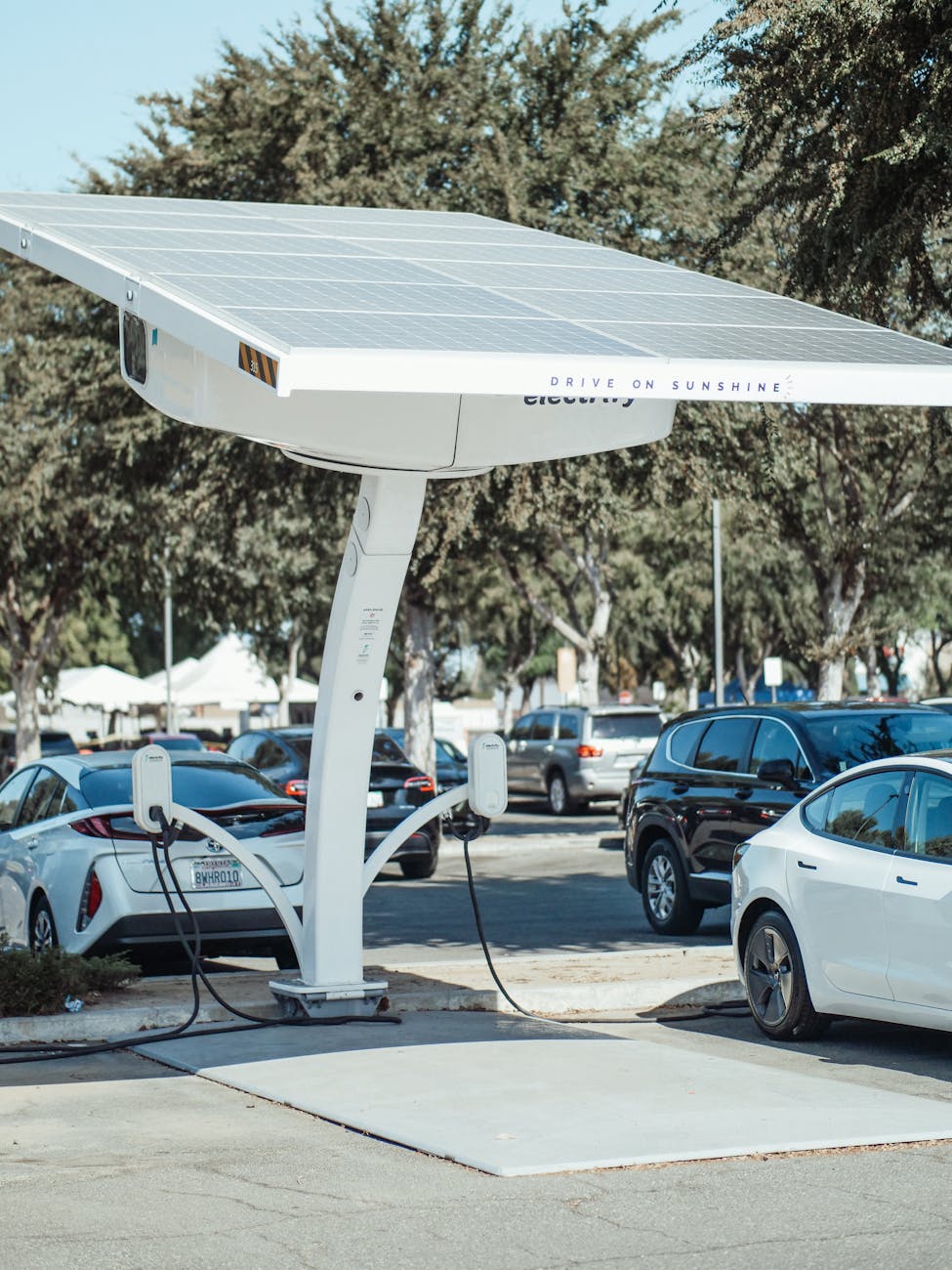
Examples: Toyota Prius, Honda Insight, Hyundai Ioniq, hybrid buses in Lagos and London.
5. Hybrid Work and Education
The COVID-19 pandemic accelerated the adoption of hybrid systems in work and learning. Hybrid education blends online and physical learning environments, ensuring flexibility. Hybrid workplaces combine remote working with office attendance to balance efficiency, productivity, and employee well-being.
Characteristics of Hybrids
- They combine qualities of two distinct entities.
- They often display improved performance (hybrid vigor).
- They are designed to adapt better to changing conditions.
- They may sometimes be sterile (like mules).
- They are central to innovation in agriculture, technology, and business.
Advantages of Hybrids
- In biology and agriculture: Better yield, resistance to pests, disease tolerance, and adaptability.
- In vehicles: Improved fuel efficiency, lower carbon emissions, long-term cost savings.
- In technology: Flexibility, efficiency, scalability, and enhanced performance.
- In education and work: Balance between digital and human interaction, flexibility for learners and employees.
Disadvantages of Hybrids
- Some biological hybrids are sterile, limiting reproduction.
- Hybrid crops may reduce genetic diversity, affecting biodiversity.
- Hybrid vehicles have higher initial purchase costs.
- Hybrid technological systems can be complex to manage and secure.
Case Studies of Hybrids in Action
1. The Mule as a Biological Hybrid
The mule, bred from a male donkey and female horse, is stronger and more enduring than either parent. Though sterile, it has been indispensable in agriculture and transportation across history.
2. Hybrid Rice and Food Security
In Asia, hybrid rice varieties have helped feed billions by producing higher yields. However, dependency on hybrids has raised concerns about seed sovereignty, as farmers often cannot replant harvested seeds successfully.
3. Hybrid Cars in Sustainable Transportation
The Toyota Prius revolutionized the auto industry in the late 1990s. Today, nearly every major car manufacturer produces hybrid models, contributing significantly to the transition toward greener transport.
4. Hybrid Cloud Computing
Companies like Netflix and major banks use hybrid cloud models to balance efficiency, scalability, and data security. This approach allows them to store sensitive information privately while using public cloud systems for high-volume tasks.
Future of Hybrids
Hybrids will continue to play a crucial role in shaping the future. Biological hybrids may help conserve endangered species through crossbreeding. Agricultural hybrids will address global food security challenges. Technological and business hybrids will lead to innovation in digital transformation. Hybrid vehicles and energy systems will reduce the world’s reliance on fossil fuels, helping combat climate change.
FAQ on Hybrid (Part 2)
- Can hybrids occur naturally?
Yes, some hybrids occur naturally in plants and animals, though most agricultural hybrids are human-made. - Are all hybrids sterile?
No, only some, like the mule, are sterile. Many plant hybrids can reproduce. - Why are hybrid seeds costly?
They require specialized breeding techniques and cannot always be replanted, increasing reliance on seed companies. - Are hybrid cars better than electric cars?
Hybrids are a transitional technology. Fully electric cars are more sustainable in the long term. - What is hybrid vigor?
Hybrid vigor (heterosis) refers to the improved qualities that hybrids display compared to their parents. - Can hybrid crops adapt to climate change?
Many hybrids are specifically developed to withstand droughts, floods, and pests caused by climate change. - What are some disadvantages of hybrid learning?
It can widen the gap between students with access to digital tools and those without. - Do hybrids exist in energy systems?
Yes, hybrid energy systems combine renewable sources like solar with conventional power for reliability. - How do hybrid apps differ from native apps?
Hybrid apps run across platforms with one codebase, while native apps are built for specific systems. - What role do hybrids play in sustainability?
They reduce waste, improve efficiency, and help balance human needs with environmental conservation.
Summary
The concept of hybrid cuts across nearly every field of human endeavor. From hybrid crops that feed billions, to hybrid cars reducing environmental impact, and hybrid cloud systems driving digital transformation, the blending of distinct entities continues to shape innovation.
While hybrids come with challenges such as cost and complexity, their benefits in efficiency, adaptability, and sustainability make them a key part of the present and future.
Originally posted 2025-08-25 15:05:55.