
Manufacturing industries in Nigeria represent one of the most important pillars for the country’s economic transformation. While agriculture and crude oil exports have dominated Nigeria’s economy for decades
, industrialization—particularly through manufacturing—remains the most sustainable path to achieving economic diversification, job creation, and technological advancement. The manufacturing sector has the potential to transform Nigeria from a resource-dependent economy to one driven by value-added production.
In this detailed post, we will explore the meaning, history, types, importance, challenges, contributions, and future prospects of manufacturing industries in Nigeria.
Meaning of Manufacturing Industries
Manufacturing industries are economic activities that involve the processing and transformation of raw materials into finished or semi-finished products. These products are either directly consumed by households or used as inputs in other industries. Unlike extractive industries (such as mining or crude oil drilling), manufacturing industries add value to raw materials, create jobs, and stimulate demand for other sectors such as transport, finance, and communication.
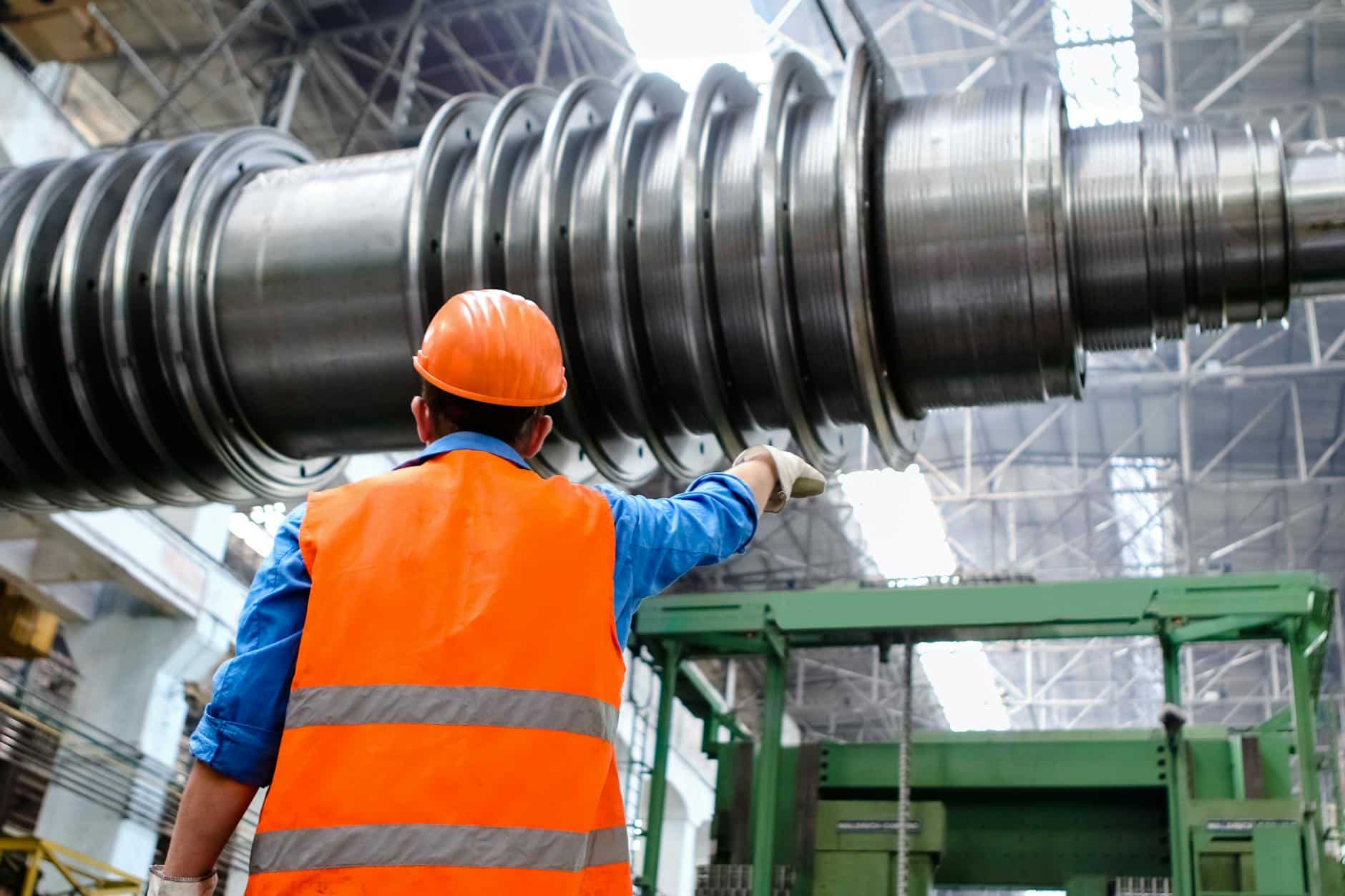
In the Nigerian context, manufacturing ranges from large-scale companies like Dangote Cement and Nigerian Breweries to small-scale industries producing soaps, shoes, textiles, and packaging materials.
Historical Background of Manufacturing in Nigeria
The growth of Nigeria’s manufacturing industries dates back to the colonial era when small-scale processing plants were established to serve the needs of the colonial administration. During the 1960s and 1970s, Nigeria witnessed industrial expansion due to government investment and foreign participation. Industries such as textiles, food processing, cement, and steel were flourishing. read more on the problems of industrial expansion
However, the 1980s economic crisis, Structural Adjustment Program (SAP), and overdependence on crude oil exports led to a decline in manufacturing. Since then, the sector has faced challenges such as poor infrastructure, unstable electricity, and competition from imported goods. Despite these setbacks, efforts continue to revive the sector through government initiatives, local investments, and regional trade agreements.
Types of Manufacturing Industries in Nigeria
Nigeria’s manufacturing industries can be categorized into the following sectors:
- Food and Beverage Industry – Produces consumables such as flour, sugar, dairy products, soft drinks, beer, bottled water, and processed foods. Major players include Nestle Nigeria, Nigerian Breweries, Coca-Cola, and Flour Mills of Nigeria.
- Textile and Garment Industry – Once a major employer, this sector includes production of fabrics, clothing, and uniforms. Although struggling, it has great potential due to Nigeria’s large population and cotton resources.
- Cement and Building Materials Industry – Companies such as Dangote Cement, Lafarge Africa, and BUA Cement dominate this sector, which plays a critical role in construction and infrastructure.
- Petrochemical and Refining Industry – Focused on refining crude oil and producing plastics, synthetic fibers, fertilizers, and industrial chemicals. The Dangote Refinery is expected to boost this sector significantly.
- Pharmaceutical and Healthcare Industry – Produces drugs, vaccines, cosmetics, and hygiene products. Companies like Emzor Pharmaceuticals and Fidson Healthcare are notable contributors.
- Automobile and Assembly Plants – Includes Innoson Vehicle Manufacturing (IVM), Stallion Group, and Peugeot Automobile Nigeria, which assemble cars, buses, and motorcycles.
- Chemical and Paint Industry – Produces paints, detergents, fertilizers, and cleaning products. Notable brands include Berger Paints and Chemical and Allied Products (CAP) Plc.
- Paper and Printing Industry – Covers book publishing, packaging, and newspaper printing. It supports Nigeria’s education sector and commerce.
- Steel and Metal Industry – Includes Ajaokuta Steel Plant and various metal fabrication industries. Though underutilized, this sector is crucial for construction, manufacturing, and defense industries.
Importance of Manufacturing Industries in Nigeria
- Employment Creation – The manufacturing sector provides millions of direct and indirect jobs, reducing poverty and improving living standards.
- Economic Diversification – Manufacturing reduces reliance on crude oil exports and broadens Nigeria’s revenue sources.
- Value Addition – Transforms raw materials (e.g., cotton, cocoa, crude oil) into higher-value goods such as textiles, chocolate, and refined petroleum.
- Export Earnings – Manufactured exports increase Nigeria’s foreign exchange reserves and strengthen its balance of payments.
- Industrial Linkages – Manufacturing stimulates growth in other sectors such as transport, mining, energy, and banking.
- Technological Development – Encourages innovation, local inventions, and skill development in engineering, ICT, and production processes.
- Urbanization and Infrastructure Growth – Manufacturing hubs create demand for roads, housing, electricity, and water supply, driving urban development.
- Support for SMEs – Manufacturing encourages the growth of small and medium enterprises through supply chains and subcontracting.
Challenges Facing Manufacturing Industries in Nigeria
Despite its potential, Nigeria’s manufacturing sector faces critical barriers:
- Unreliable Power Supply – Most industries rely on generators, which increase production costs.
- Poor Infrastructure – Inadequate road networks, ports, and rail transport hinder efficient distribution of goods.
- Dependence on Imports – Many industries rely on imported raw materials and machinery, leading to high costs.
- Policy Instability – Frequent changes in industrial policies discourage long-term investment.
- Insecurity – Banditry, terrorism, and theft disrupt industrial production and logistics.
- Limited Access to Credit – High interest rates and stringent loan requirements hinder investment in machinery and expansion.
- Competition from Imports – Cheap imported products often outcompete locally made goods.
- Corruption and Bureaucracy – Red tape and bribery slow down industrial operations.
- Weak Research and Development (R&D) – Low investment in innovation limits the growth of competitive industries.
Contributions of Manufacturing Industries to Nigeria’s GDP
According to the National Bureau of Statistics (NBS), the manufacturing sector contributes approximately 10% of Nigeria’s GDP. While this is relatively low compared to industrialized nations, it remains a significant driver of non-oil revenue. Sub-sectors such as food, beverages, and cement are the largest contributors. With improved policies, manufacturing could account for up to 25% of GDP in the coming decades.
Future Prospects of Manufacturing Industries in Nigeria
The future of Nigeria’s manufacturing sector is promising if challenges are addressed. Key opportunities include:
African Continental Free Trade Area (AfCFTA) – Opens a market of over 1.3 billion people for Nigerian manufacturers.
Agricultural Value Chains – Agro-processing industries can add value to crops like cassava, rice, cocoa, and oil palm.
Automobile Industry – With local car assembly plants like Innoson, Nigeria could reduce vehicle imports.
Pharmaceutical Growth – Increased demand for locally produced drugs and vaccines offers expansion opportunities.
Petrochemicals and Gas-Based Industries – The Dangote Refinery and gas reserves will strengthen industrial raw material supply.
Digital Manufacturing (Industry 4.0) – Automation, artificial intelligence, and robotics can improve productivity.
FAQs on Manufacturing Industries in Nigeria
- What are the main manufacturing industries in Nigeria?
The key sectors include food and beverages, cement, textiles, pharmaceuticals, petrochemicals, and automobiles. - Why is the manufacturing sector important for Nigeria?
It provides jobs, diversifies the economy, generates foreign exchange, and drives industrial development. - What are the biggest challenges facing Nigerian manufacturers?
Major issues include poor electricity supply, weak infrastructure, policy inconsistency, and insecurity. - Which company is the largest manufacturer in Nigeria?
Dangote Group is the largest, with operations in cement, sugar, salt, and soon petroleum refining. - How can Nigeria improve its manufacturing sector?
Through stable electricity, improved infrastructure, favorable government policies, local sourcing of raw materials, and research investment. - What role does Innoson Motors play in Nigeria’s manufacturing?
Innoson Vehicle Manufacturing (IVM) produces cars, buses, and trucks locally, reducing reliance on imported vehicles. - How does manufacturing support SMEs in Nigeria?
Large industries create supply chains that allow SMEs to produce packaging, raw materials, and services. - What is the contribution of manufacturing to Nigeria’s GDP?
It contributes about 10% but has the potential to grow significantly with the right policies. - Is Nigeria self-sufficient in manufacturing?
No, the country still imports a large share of manufactured goods, though efforts are ongoing to boost local production. - What opportunities exist under AfCFTA for Nigerian manufacturers?
Access to a large African market, reduced tariffs, and the chance to export more goods regionally.
Conclusion
Manufacturing industries in Nigeria hold the key to long-term economic transformation. With over 200 million people, abundant resources, and strategic location in Africa, Nigeria has the potential to become an industrial giant. However, challenges such as poor infrastructure, insecurity, and policy inconsistency must be resolved.
If properly harnessed, the sector could diversify the economy away from oil, create millions of jobs, and strengthen Nigeria’s position in global trade. The government, private sector, and international investors must collaborate to make Nigeria a true hub of manufacturing excellence in Africa.
PROBLEMS OF MANUFACTURING INDUSTRIES IN NIGERIA AND AFRICA
The following factors hinder, limit or are responsible for the relatively low level of industrial development in Nigeria
- Shortage of raw materials: Lack of sufficient raw materials available to industries hinders large scale production
- Insufficient capital: Access to finance or loan is very difficult. Capital i.e. loan is only for the big time investors who possess collateral securities.
- High degree of foreign dependence: Most products made in Africa are of low quality compared with their counterparts in developed countries; hence, people rely or depend on foreign goods.
- Poor quality of industrial labour: Nigeria has a large pool of illiterate population that provides the personnel for our industries.
- Low purchasing power of the populace: Large scale poverty in Nigeria makes people have low purchasing power.
- Inadequate power supply: There are frequent disruptions of power supply in industrial areas and many areas do not even have power supply at all.
- Competition from foreign goods: because of the high quality of foreign goods, these produced by our local industries are usually not patronized.
- Shortage of entrepreneur: Owing to lack of capital and other factors, reliable investors are not common.
- Poor management: Corruption, embezzlement and negligence of duty are very common in African countries and these are indicators of poor management.
- Political instability: Frequent changes in governments and incessant civil wars in African countries discourage foreign investors.
- Inadequate transport and communication facilities: Transportation network like road, rail and communication facilities are grossly inadequate in Tropical Africa.
- Small market for industrial goods: Tropical African countries do not have large market that can accommodate industrial goods produced.
- Inadequate skilled man – power: Skilled man- power required for high industrial growth is grossly inadequate in developing countries.
- High cost of spare – parts: Industrial machines imported into developing countries may break down. In most cases, spare parts for such machines may not be available and when they are available, they are very expensive.
- economic tools for nation building
- factors affecting the expansion of industries
- bud
- mineral resources and the mining industries
- demand and supply
- types of demand curve and used
- advertising industry
- factors of production
- entrepreneur
- joint stock company
Originally posted 2022-02-25 12:54:52.