
Goat Manure: The Organic Solution for Sustainable Agriculture
In modern agriculture, there is a growing shift towards organic and eco-friendly farming practices. One of the most valuable resources in this movement is goat manure. Known for its rich nutrient content and versatility, goat manure has become a crucial component in sustainable farming systems around the world.
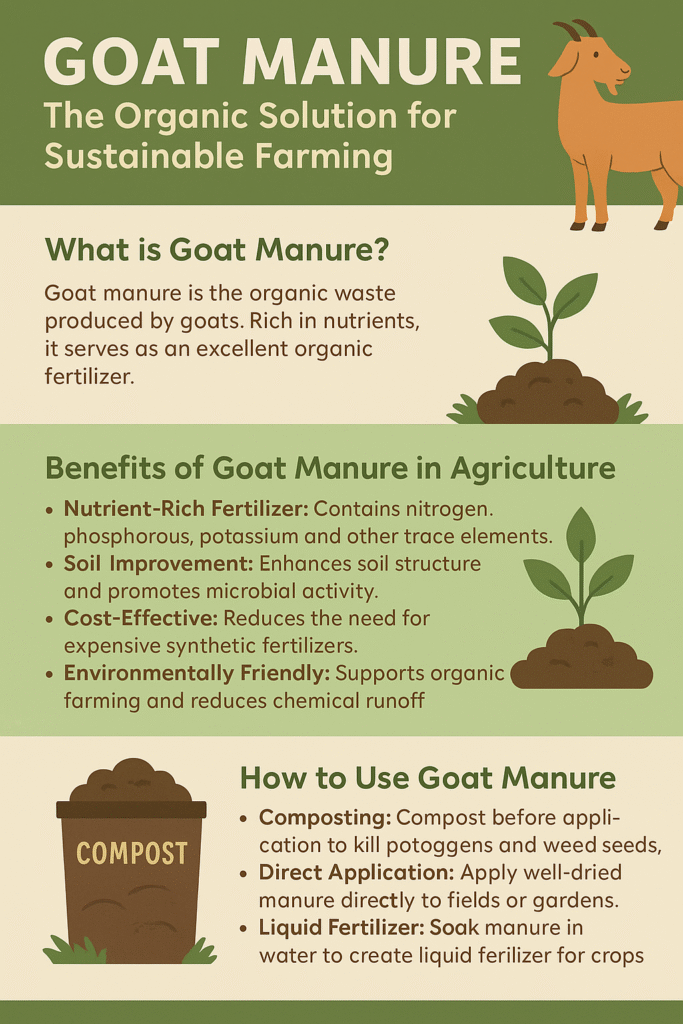
This comprehensive guide explores what goat manure is, its benefits, how to use it effectively, and the growing market for this natural fertilizer.
What is Goat Manure?
Goat manure refers to the droppings or feces of goats, often mixed with bedding material, feed leftovers, and urine. It is a type of organic fertilizer that can be used to enrich the soil and boost crop production. Unlike some other types of animal waste, goat manure is dry, pellet-like, and easier to handle, making it highly favored by farmers and gardeners alike.
Goat manure is packed with essential nutrients including:
Nitrogen (N)
Phosphorus (P)
Potassium (K)
Calcium
Magnesium
These nutrients are vital for plant growth, soil fertility, and overall agricultural productivity.
Nutritional Value of Goat Manure
The key elements in goat manure contribute to various plant growth processes:
Nitrogen: Promotes leafy growth and chlorophyll production
Phosphorus: Essential for root development and flowering
Potassium: Improves disease resistance and overall plant vigor
Micronutrients: Enhance soil biodiversity and microbial activity
With its balanced nutrient profile, goat manure not only supports plant growth but also improves soil structure, moisture retention, and aeration.
Benefits of Using Goat Manure
The application of goat manure provides numerous benefits, both to the soil and to the environment. Here are some of the key advantages:
- Soil Fertility Enhancement
Goat manure enriches the soil with organic matter, boosting its nutrient content and improving its physical structure. It enhances soil aeration and water-holding capacity, which in turn promotes healthier plant growth.
- Eco-friendly Fertilizer
Unlike chemical fertilizers, goat manure is a natural, biodegradable material that does not harm the environment. It reduces the need for synthetic inputs, thereby minimizing the risk of soil and water pollution.
- Cost-Effective Agricultural Input
Goat manure is often readily available on farms where goats are raised, making it a low-cost alternative to expensive chemical fertilizers. Even for farmers who do not raise goats, goat manure is often available in local markets at affordable rates.
- Improved Crop Yields
The consistent use of goat manure has been shown to increase crop yields and improve the quality of agricultural produce. From vegetables to grains, plants benefit from the steady supply of organic nutrients.
- Supports Organic Farming Practices
In the global push towards organic agriculture, goat manure plays a central role. It is certified organic in many agricultural systems and is suitable for use in sustainable and regenerative farming models.
How to Use Goat Manure Effectively
While goat manure is highly beneficial, it must be applied correctly to maximize its advantages and avoid potential problems such as nitrogen burn. Here are the common methods of using goat manure:
- Composting Goat Manure
Composting is the most recommended method of preparing goat manure for agricultural use. Composting helps to:
Kill harmful pathogens
Destroy weed seeds
Stabilize nutrient content
To compost goat manure:
Mix manure with dry leaves, straw, or other organic matter
Maintain moisture and aeration
Turn the compost pile regularly
Allow it to mature for 6-8 weeks
- Direct Application
Well-dried and aged goat manure can be applied directly to garden beds or farm plots. However, it is advisable to:
Apply the manure several weeks before planting
Avoid fresh manure on sensitive crops
- Liquid Fertilizer (Manure Tea)
Manure tea is made by soaking goat manure in water for several days. The liquid extract is then used to water plants, providing a gentle nutrient boost.
Market Opportunities for Goat Manure
The rise of organic farming has led to increased demand for natural fertilizers like goat manure. Many organic farmers, horticulturists, and gardeners prefer goat manure over synthetic fertilizers, creating a steady market for this by-product. In some regions, goat manure is packaged and sold commercially in garden centers and agricultural supply stores.
Entrepreneurs and farmers can take advantage of this market by:
Selling composted goat manure in bags
Offering manure tea as a liquid organic fertilizer
Marketing to organic farms, nurseries, and home gardeners
Challenges and Considerations
While goat manure is beneficial, farmers should consider the following challenges:
Over-application can lead to nutrient imbalances
Fresh manure may carry pathogens if not composted properly
Transporting large quantities can be labor-intensive
Proper management and adherence to organic farming guidelines can help mitigate these challenges.
Conclusion
Goat manure is more than just animal waste—it is a valuable agricultural resource that supports soil fertility, boosts crop yields, and aligns with sustainable farming principles. Its numerous benefits, affordability, and environmental friendliness make it an ideal choice for farmers seeking to improve their agricultural productivity naturally.
As global awareness of organic farming grows, so too will the demand for high-quality goat manure, presenting both environmental and economic opportunities for goat farmers worldwide.
For more agricultural tips and sustainability practices, visit fabioclass.com regularly.
Originally posted 2025-07-06 17:22:58.