
Deforestation is the large-scale clearing of forests that disrupts ecosystems, affects climate, and threatens biodiversity. Learn its causes, effects, and solutions in detail.
Deforestation has become one of the most pressing environmental challenges in the modern world. The removal of trees and forests not only destroys habitats but also accelerates climate change, endangers species, and alters natural cycles. This post explores the meaning of deforestation, its causes, far-reaching consequences, and practical solutions to curb the crisis.
What is Deforestation?
Deforestation refers to the large-scale removal of forests, often to make way for agriculture, urban development, or industrial activities. Unlike natural disturbances such as wildfires or storms, human-driven deforestation is usually permanent or long-lasting.
Forests play a crucial role in maintaining ecological balance. They act as carbon sinks, regulate rainfall, protect soil, and support countless species. When forests are cleared without adequate replacement, the environment suffers irreparable damage.
Causes of Deforestation
The drivers of deforestation are complex and interconnected. Below are the main causes.
Agricultural Expansion
Farmers clear forests to create farmland for crops and livestock. This is the leading cause of deforestation globally.
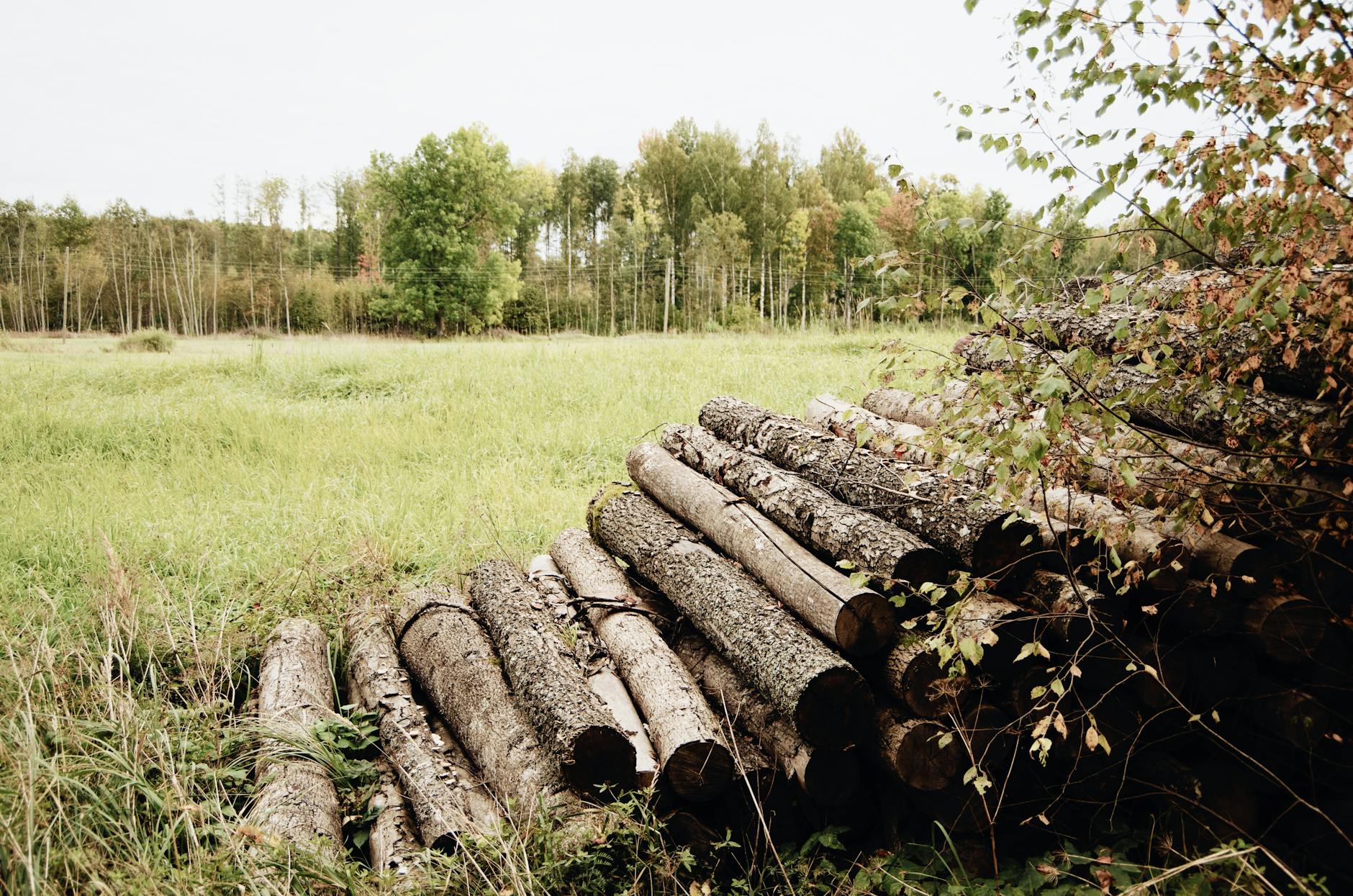
Logging and Timber Extraction
Commercial logging removes trees for furniture, paper, and construction materials. Unsustainable logging practices leave landscapes barren.
Urbanization and Infrastructure
Expanding cities, road networks, and industrial sites contribute to massive deforestation.
Mining Activities
Mining operations require clearing forests, leading to soil erosion, pollution, and habitat destruction.
Fuelwood and Charcoal
In many developing nations, forests provide firewood and charcoal, creating continuous pressure on tree resources.
Climate Change Feedback
In some regions, changing weather patterns worsen forest fires, which accelerates deforestation.
Effects of Deforestation
Deforestation triggers severe ecological and social consequences.
Loss of Biodiversity
Forests are home to more than 80% of terrestrial animals and plants. Deforestation destroys habitats, pushing species toward extinction.
Climate Change
Trees absorb carbon dioxide. When cut down, they release stored carbon, worsening global warming.
Soil Degradation
Tree roots hold soil together. Without them, erosion and desertification increase.
Disruption of Water Cycle
Forests help regulate rainfall and groundwater. Deforestation causes droughts and floods.
Impact on Indigenous Communities
Many indigenous groups rely on forests for food, shelter, and culture. Deforestation displaces them.
Public Health Concerns
Clearing forests exposes humans to new pathogens, increasing the risk of pandemics.
Solutions to Deforestation
Several measures can slow or even reverse deforestation.
Afforestation and Reforestation
Planting trees in deforested areas restores ecosystems and carbon storage.
Sustainable Agriculture
Techniques like agroforestry and crop rotation reduce the need for clearing new land.
Forest Management Policies
Governments must enforce strict laws against illegal logging and land grabbing.
Renewable Energy Alternatives
Replacing fuelwood with clean energy sources reduces pressure on forests. like biofuels
Consumer Awareness
Choosing certified wood, recycled paper, and eco-friendly products helps reduce demand for destructive practices. more on demand and supply here
International Cooperation
Global agreements like REDD+ (Reducing Emissions from Deforestation and Forest Degradation) support forest conservation.
Frequently Asked Questions (FAQ)
What are the main causes of deforestation?
Agriculture, logging, mining, and urban expansion are the primary drivers.
How does deforestation affect climate change?
It increases greenhouse gas emissions and reduces carbon absorption.
Can deforestation be reversed?
Yes, through reforestation, afforestation, and sustainable practices.
Which regions face the highest deforestation rates?
The Amazon Basin, Central Africa, and Southeast Asia are the most affected.
How can individuals help fight deforestation?
By reducing paper use, supporting eco-friendly products, and planting trees.
Case Studies on Deforestation
The Amazon Rainforest
Known as the “lungs of the Earth,” the Amazon suffers from massive deforestation due to cattle ranching and soybean farming.
Indonesia and Palm Oil
Palm oil plantations are responsible for clearing vast tracts of forest, threatening orangutans and tigers.
African Congo Basin
Illegal logging and mining put one of the world’s largest tropical forests at risk.
Future Outlook
If deforestation continues unchecked, global temperatures will rise, biodiversity loss will intensify, and ecosystems will collapse. However, with strong policies, innovative technologies, and public action, forests can be preserved for future generations.
Additional FAQ
What percentage of the Earth is covered by forests?
About 31% of Earth’s land area is forested.
How many trees are lost annually?
Over 10 million hectares of forest are destroyed each year.
Why are rainforests important?
They regulate climate, house biodiversity, and support indigenous people.
What is illegal logging?
It refers to the unauthorized cutting and selling of timber.
How does deforestation affect soil fertility?
It leads to erosion and nutrient loss, reducing soil productivity.
What is REDD+?
It is a UN program that encourages forest conservation through financial incentives.
Does deforestation cause desertification?
Yes, continuous clearing leads to soil degradation and desert-like conditions.
Can technology help prevent deforestation?
Yes, satellite monitoring and AI tools help track and stop illegal logging.
What is afforestation?
It is the planting of trees in areas that never had forests before.
How does deforestation impact food security?
It disrupts natural pollination and water cycles, threatening crops.
Is deforestation linked to pandemics?
Yes, because it increases human contact with wildlife pathogens.
What are carbon sinks?
Forests that absorb more carbon dioxide than they release.
Which countries are leading in forest restoration?
China, India, and Ethiopia have launched large-scale tree planting projects.
How does overpopulation fuel deforestation?
It increases demand for land, food, and resources.
Can eco-tourism help protect forests?
Yes, it provides income while encouraging conservation.
Summary
Deforestation is a critical global challenge driven by agriculture, logging, mining, and urbanization. Its impacts—climate change, biodiversity loss, soil erosion, and displacement of communities—are devastating.
However, through reforestation, sustainable practices, and global cooperation, humanity can mitigate and possibly reverse the damage. Protecting forests is not just an environmental issue; it is essential for survival.
Originally posted 2025-08-31 12:57:39.