
ORANGE (Citrus sinensis) Orange is a fruit crop which belongs to the citrus family. The fruit of citrus called berry is succulent, fleshy and juicy and it is rich in vitamins and minerals.
Orange cultivation is a rewarding endeavour, yielding delicious and nutritious fruits that are enjoyed worldwide. Successful orange farming involves careful planning and adherence to best practices at every stage of production.
In this comprehensive guide, we will explore the key steps and considerations for orange cultivation, from land preparation to processing and storage.
A Comprehensive Guide to Orange Cultivation: From Land Preparation to Processing
Land Preparation:
- Site Selection: Choose a well-drained site with good sunlight exposure. Ensure proper air circulation to prevent fungal diseases.
- Soil Testing: Conduct a soil test to determine soil pH, nutrient levels, and any necessary amendments. Oranges thrive in well-drained, loamy soils with a slightly acidic to neutral pH (6.0-7.0).
- Land Clearing: Remove weeds, debris, and any unwanted vegetation from the planting area.
- Soil Preparation: Plow and harvest the soil to break up clumps and create a fine, crumbly texture. Incorporate organic matter like compost or well-rotted manure to improve soil fertility. read here
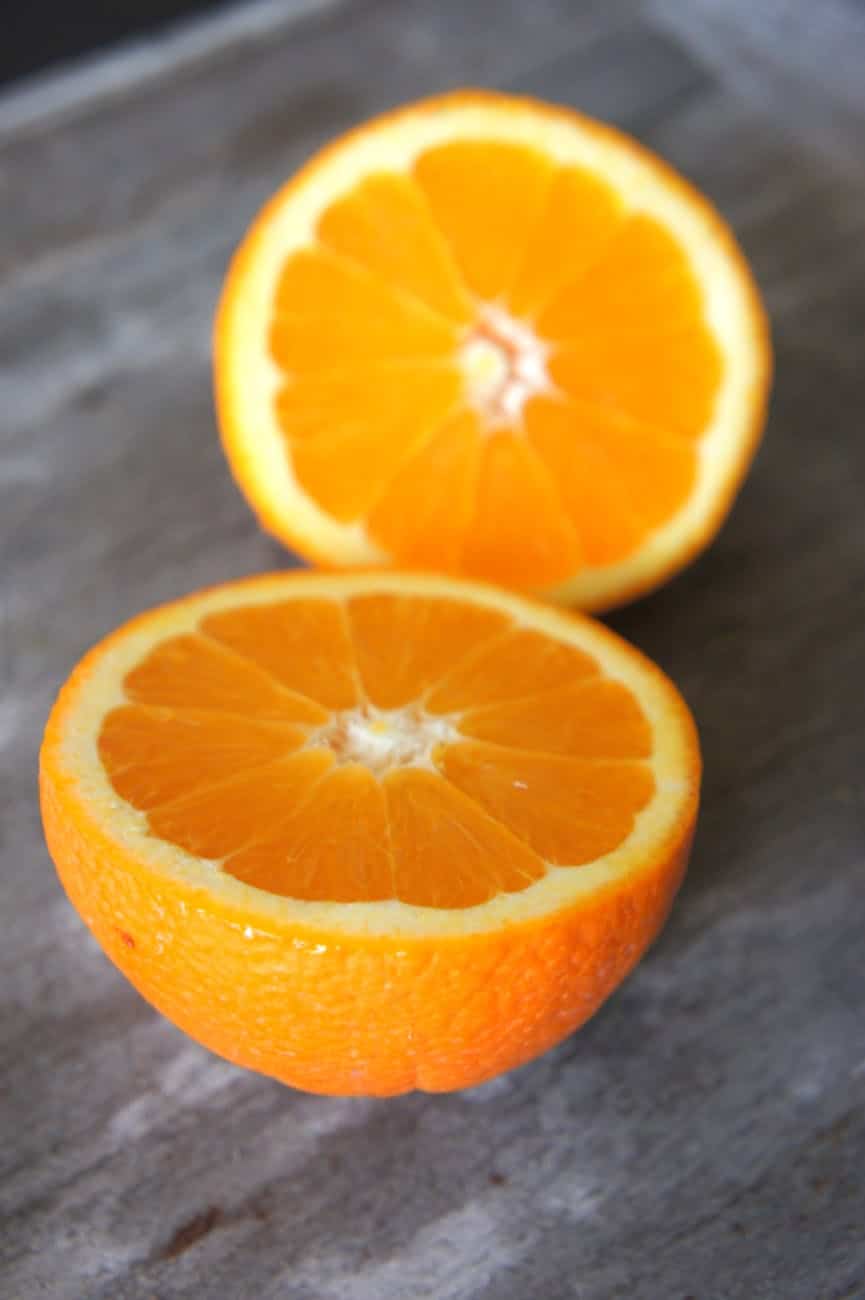
Varieties of Citrus spp:
- Navel Oranges: Known for their sweet, seedless, and easy-to-peel fruits. Popular varieties include Washington Navel and Cara Cara.
- Valencia Oranges: Primarily used for juicing due to their high juice content and tangy flavour.
- Mandarins: Include varieties like Satsuma, Clementine, and Tangerine, known for their sweet and easy-to-separate segments.
- Blood Oranges: Recognizable by their reddish flesh, they are used in fresh juice and culinary applications.
- Hybrids: Varieties like the Meyer lemon-orange hybrid offer unique flavours and are favoured for cooking. want to know more about hybrid? read here
Climatic and Soil Requirements:
- Oranges thrive in subtropical to tropical climates with warm, frost-free winters and hot, dry summers.
- They require a minimum of 6-8 hours of direct sunlight daily.
- Well-drained loamy soils with good organic matter content are ideal.
Planting Materials:
- Seeds: While less common, oranges can be grown from seeds, but they may not produce fruits identical to the parent tree.
- Budded or Grafted Trees: These are the most common planting materials, ensuring that the new tree inherits the desired characteristics of the parent. see more on the propagation of crops
Nursery Practices:
- Seedling Growth: If using seeds, grow seedlings in a nursery until they are large enough to graft or bud.
- Grafting or Budding: Graft or bud selected scion wood onto rootstock to create desired orange tree varieties.
- Hardening Off: Acclimate nursery-grown trees to outdoor conditions gradually before transplanting to the orchard.
Planting and Care:
- Spacing: Plant orange trees 20-25 feet apart to allow for proper growth and air circulation.
- Irrigation: Young trees need regular watering. Mature trees are more drought-tolerant but still require consistent moisture.
- Fertilization: Apply balanced fertilizer with micronutrients based on soil test recommendations.
- Pruning: Prune to maintain shape, remove deadwood, and improve air circulation.
Processing and Storage:
- Harvesting: Oranges are typically harvested when fully ripe, as their flavour and sweetness develop on the tree. Gently twist and pull fruits to avoid damage.
- Cleaning: Wash and sanitize harvested oranges to remove dirt and potential contaminants.
- Packaging: Sort oranges by size and quality, then pack them in ventilated containers or crates for transportation.
- Storage: Store oranges in a cool, well-ventilated, and humid environment to maintain freshness and prevent drying out.
- Processing: Oranges can be processed into various products, including juice, jams, and dried fruit.
successful orange cultivation requires careful attention to land preparation, variety selection, climatic and soil conditions, nursery practices, and ongoing care. Proper processing and storage methods ensure that the fruits reach consumers in excellent condition, allowing growers to enjoy the fruits of their labour.
Land Preparation for the planting of orange
: The land is cleared with cutlass and stumping is done. The land is then ploughed and harrowed mechanically.
Varieties/Cultivars of Orange
Varieties of the Citrus spp. or family include:
Varieties Botanical names
1 Sweet orange Citrus sinensis
2 Sour orange Citrus aurantium
3 Lime Citrus aurantifolia
4 Lemon Citrus lemon
5 Tangerine Citrus reticulata
6 Grapefruit Citrus paradisi
7 Shaddock (Pomelo) Citrus grandis
8 King orange Citrus nobilis
Climatic and soil requirements for planting orange
Sweet orange requires a temperature of 25°C – 35°C, rainfall of 75cm -125cm per annum and a well-drained fertile and deep soil. It also requires a higher elevation and slightly sloping land.
Planting materials for the cultivation of orange
The planting date for Orange
: (i) Pre-nursery is ideal between October and December and nursery in April and May. (iii) Budding is done a year later.
Spacing: (i) Pre-nursery is 3cmx 3cm,
(i) Nursery is 60cm x 60cm (iii) Fieldis7.Omx7.Om.
(ii) Field is 7.0m x 7.0m
Nursery Practices in the cultivation of orange
Pre-nursery: (i) The seeds are raised in seed trays by October – December in a loamy soil, rich in organic matter. (ii)The seeds are sown 3cm x 3cm at 2cm deep.
Nursery: (i) The seedlings are now replanted at 60cm x 60cm spacing. (ii)It is planted around April/ May. (iii)Watering, weeding and shading are provided. (iv)Budding and grafting are done a year later.
Transplanting: After one year of budding, the seedlings are transplanted to the field at a spacing of 7.0cm x 7.0m
Cultural Practices in the Cultivation of Citrus Spp
(i) Weeding
This is done regularly by cutlass using or by herbicides
(ii) Fertilizer application
Sulphate of ammonium at the rate of 350kg/ha is applied by ring method at regular intervals.
(iii) Mulching is also done during the dry season
(iv) Irrigation, especially during the dry season, is also practised.
(v) Pruning can also be done
(vi) Insects and diseases should be controlled and prevented
Maturity period of orange
This occurs between three and seven years.
Process of Harvesting OrangeClean or spot-picking of matured or ripe fruits with a hand or harvesting knife is done carefully and over a period of time.
Processing and storage of orange
it can be processed into citrus Juice which can be stored in canned or bottled form.
PESTS OF ORANGE AND CONTROL METHODS
(1) Thrips (2) Red Mites (3) Scale 4) bids (5) Fruit borers (6)Caterpillars. All these pests of citrus attack leaves, flowers and fruits
Control: Spray with insecticides like Gammalin 20 and Malathion.
(7) Leaf hoppers: These attack citrus leaves, leading to defoliation and reduced yield.
Control:
(i) By handpicking;
(ii) Use poison baits.
Diseases of Orange and control methods
(1) Gummosis: It is caused by a fungus Phytophthora spp which is spread by air and through the soil. Symptoms of the disease include rotting of the bark near the ground. Drying and cracking of hark, release (exude) of gum or slimy substance and leaves turn yellow and begin to die back.
Control:
(i) Use resistant varieties.
(ii) Spray with appropriate fungicides.
(iii) Paint the trunk with crude carbolic and water.
(2) Tristeza: It is a viral disease transmitted by aphids. Symptoms include phloem necrosis and swelling at bud union.
Control: Use resistant varieties.
(3) Citrus Scab: It is a 1ngal disease (Sphaceloma faucet) which spreads within the soil. It attacks young leaves and stems, especially in the nursery stage.
Control: Treat with fungicide e.g. Bordeaux mixture
.Orange Cultivation: 20 Frequently Asked Questions and Answers
1. What are the best climate conditions for growing oranges?
Oranges thrive in subtropical to tropical climates with temperatures between 55°F to 85°F (13°C to 29°C). They require warm summers and mild winters, with minimal frost exposure. The ideal climate includes 600-1200mm annual rainfall, well-distributed throughout the year, and relative humidity between 50-80%. Oranges need plenty of sunshine (6-8 hours daily) for proper fruit development and sugar accumulation. Areas with Mediterranean, subtropical, or warm temperate climates like California, Florida, Spain, and parts of Australia are ideal for commercial orange production.
2. What type of soil is best for orange trees?
Orange trees perform best in well-draining, slightly acidic to neutral soils with pH levels between 6.0-7.5. The soil should be deep (at least 3-4 feet), fertile, and rich in organic matter. Sandy loam or loamy soils are ideal as they provide good drainage while retaining adequate moisture and nutrients. Avoid heavy clay soils that retain water, as oranges are susceptible to root rot. Good soil structure, adequate organic content (2-4%), and proper drainage are more important than specific soil type. The soil should also have good aeration and be free from hardpan layers.
3. When is the best time to plant orange trees?
The optimal planting time for orange trees is during late winter to early spring (February to April in the Northern Hemisphere) when the risk of frost has passed but before hot summer weather arrives. In subtropical regions, fall planting (September to November) is also suitable as it allows trees to establish roots during cooler weather before the next growing season. Avoid planting during extreme weather conditions, drought periods, or when frost is expected. Container-grown trees can be planted year-round in suitable climates, but spring planting generally provides the best establishment conditions.
4. How much space should be left between orange trees?
Standard orange trees should be spaced 20-25 feet apart in all directions to allow for mature canopy development and adequate air circulation. For dwarf varieties, 12-15 feet spacing is sufficient. Semi-dwarf trees require 15-20 feet spacing. In commercial orchards, row spacing of 20-25 feet with trees 18-22 feet apart within rows is common. Proper spacing prevents overcrowding, reduces disease pressure, ensures adequate sunlight penetration, facilitates mechanical operations, and allows for optimal root development. Consider the mature size of your specific orange variety when determining spacing.
5. How often should orange trees be watered?
Young orange trees (first 2-3 years) need frequent watering, typically 2-3 times per week during dry periods, applying 10-15 gallons per watering session. Established trees require deep, infrequent watering – typically once or twice weekly during dry seasons, providing 30-50 gallons per session depending on tree size. Water requirements vary with climate, soil type, tree age, and season. During fruit development, maintain consistent moisture but avoid waterlogging. Reduce watering frequency in winter. Use drip irrigation or soaker hoses for efficient water delivery directly to the root zone while keeping foliage dry.
6. What fertilizers do orange trees need?
Orange trees are heavy feeders requiring balanced nutrition. Apply a citrus-specific fertilizer with an N-P-K ratio of approximately 2:1:1 (such as 8-4-4 or 6-3-3) three to four times annually. Young trees need 1-2 pounds of fertilizer per year of age, while mature trees require 8-12 pounds annually. Key nutrients include nitrogen for foliage growth, phosphorus for root development, and potassium for fruit quality. Micronutrients like iron, zinc, manganese, and boron are essential – apply chelated micronutrients if deficiencies occur. Organic options include compost, aged manure, and organic citrus fertilizers.
7. When do orange trees typically start producing fruit?
Orange trees grown from grafted nursery stock typically begin producing fruit in 3-6 years after planting, with commercial production starting around year 5-7. Trees grown from seed (not recommended for commercial production) may take 10-15 years or more to produce fruit and often produce inferior quality fruit. Dwarf varieties may fruit slightly earlier, while standard trees take longer to reach full production. Full production capacity is usually reached by 8-12 years of age. Factors affecting fruit production timing include variety, rootstock, growing conditions, care practices, and environmental stress.
8. How do you prune orange trees properly?
Prune orange trees annually during late winter or early spring before new growth begins. Remove dead, diseased, damaged, or crossing branches first. Thin the canopy to improve air circulation and sunlight penetration by removing water sprouts, suckers, and weak branches. Maintain an open center or modified leader system for optimal light distribution. Remove low-hanging branches to facilitate maintenance and harvesting. Young trees require training pruning to establish good structure, while mature trees need maintenance pruning. Avoid heavy pruning as oranges produce fruit on previous year’s wood. Sterilize pruning tools between trees to prevent disease transmission.
9. What are the most common pests affecting orange trees?
Common orange tree pests include citrus psyllid (vector for HLB disease), scale insects, aphids, citrus leaf miner, thrips, and spider mites. Fruit flies can damage developing fruit, while nematodes affect root systems. Integrated Pest Management (IPM) strategies include regular monitoring, encouraging beneficial insects, using horticultural oils, and targeted pesticide applications when necessary. Sticky traps help monitor pest populations. Maintain tree health through proper nutrition and watering to improve natural pest resistance. Remove fallen fruit and debris that harbor pests.
10. What diseases commonly affect orange trees?
Major diseases affecting oranges include Huanglongbing (HLB/citrus greening), the most serious threat to citrus worldwide, spread by Asian citrus psyllid. Fungal diseases include melanose, scab, canker, and root rot (Phytophthora). Viral diseases like tristeza virus can be devastating. Prevention strategies include planting disease-resistant varieties, ensuring good drainage, proper spacing for air circulation, avoiding overhead irrigation, and regular inspection for early detection. Copper-based fungicides help control many fungal diseases. Remove and destroy infected plant material promptly.
11. How long does it take for oranges to ripen?
Orange ripening time varies by variety and growing conditions, typically taking 6-18 months from flowering to harvest. Early varieties like Hamlin ripen in 6-8 months, mid-season varieties like Valencia take 8-12 months, and late varieties may require 12-18 months. Factors affecting ripening include temperature, rainfall, tree nutrition, and crop load. Oranges develop color before reaching full maturity, so color alone isn’t a reliable ripeness indicator. Test fruit by tasting – ripe oranges have proper sugar-to-acid balance. In commercial operations, fruit is tested for sugar content (Brix levels) and acid content.
12. What are the signs of nutrient deficiencies in orange trees?
Nitrogen deficiency causes yellowing of older leaves starting from leaf tips and margins, reduced growth, and small pale fruit. Iron deficiency creates interveinal chlorosis (yellowing between leaf veins) on young leaves. Zinc deficiency results in small, narrow leaves with yellowing patterns and reduced fruit size. Magnesium deficiency shows as yellowing between veins on older leaves in a Christmas tree pattern. Potassium deficiency causes leaf edge burn and poor fruit quality. Boron deficiency leads to thick, leathery leaves and misshapen fruit. Regular soil testing and tissue analysis help identify and correct deficiencies.
13. Can orange trees be grown in containers?
Yes, orange trees can be successfully grown in containers, especially dwarf varieties. Use containers at least 20-24 inches wide and deep for dwarf trees, larger for semi-dwarf varieties. Ensure containers have adequate drainage holes and use well-draining potting mix designed for citrus. Container trees require more frequent watering and fertilizing than ground-planted trees. They can be moved indoors in cold climates during winter. Popular container varieties include ‘Improved Meyer’ lemon, ‘Calamondin’, and dwarf orange varieties. Regular repotting every 2-3 years maintains plant health.
14. How do you protect orange trees from frost?
Protect orange trees from frost by covering them with frost cloth, blankets, or plastic sheeting when temperatures drop below 32°F (0°C). For young trees, create frames to prevent material from touching foliage. Water trees thoroughly before cold snaps as moist soil retains more heat. Use windbreaks to reduce cold air circulation. String lights (incandescent, not LED) can provide additional heat. For severe cold, use smudge pots or heaters in commercial orchards. Plant trees in protected locations away from cold air drainage areas. Remove coverings during day to prevent overheating.
15. What is the best way to harvest oranges?
Harvest oranges when fully ripe, indicated by proper color development, firmness, and taste rather than just appearance. Use proper harvesting tools like clippers or picking poles with bags to avoid damaging fruit and trees. Cut fruit from tree rather than pulling to prevent branch damage and improve fruit storage life. Harvest during dry conditions and avoid picking wet fruit. Handle gently to prevent bruising and store in cool, well-ventilated areas. Commercial operations often harvest multiple times per season as fruit doesn’t ripen uniformly. Morning harvesting when temperatures are cooler is preferred.
16. How can you increase orange tree fruit production?
Increase fruit production through proper fertilization with balanced citrus fertilizer, ensuring adequate water without waterlogging, regular pruning to maintain tree health and structure, and controlling pests and diseases promptly. Proper spacing ensures adequate sunlight and air circulation. Cross-pollination, while not required for oranges, can improve fruit set in some varieties. Avoid excessive nitrogen that promotes vegetative growth at expense of fruiting. Maintain consistent soil moisture during flowering and fruit development. Remove competing weeds and grass around tree base. Practice alternate bearing management in varieties prone to this issue.
17. What are the different types of orange varieties to grow?
Major orange types include sweet oranges (Citrus sinensis) like Naval, Valencia, Hamlin, and Blood oranges, which are most common for fresh eating and juice. Sour oranges (Citrus aurantium) are used for marmalade and as rootstock. Popular varieties include ‘Washington Navel’ for fresh eating, ‘Valencia’ for juice (late season), ‘Hamlin’ for early juice, ‘Blood Orange’ varieties like ‘Moro’ and ‘Tarocco’ for specialty markets. Consider your climate, intended use, harvest timing preferences, and local disease pressure when selecting varieties. Consult local extension services for regionally adapted varieties.
18. How do you propagate orange trees?
Commercial orange trees are propagated through grafting onto rootstock rather than from seed, as seed-grown trees don’t reproduce true to type and take much longer to fruit. Common rootstocks include sour orange, rough lemon, and trifoliate orange, chosen for disease resistance and soil adaptation. Grafting methods include T-budding, chip budding, and cleft grafting, typically performed by nursery professionals. Home gardeners can attempt air layering or purchase grafted trees from reputable nurseries. Cuttings are difficult to root in citrus. Always use certified, disease-free budwood and rootstock.
19. What post-harvest care do orange trees need?
After harvest, provide post-harvest care including light fertilization to replenish nutrients used in fruit production, adequate irrigation to prevent drought stress, pruning to remove dead or damaged wood and maintain tree structure, and pest/disease monitoring as stressed trees are more susceptible. Apply mulch around trees to conserve moisture and suppress weeds. In areas with cold winters, prepare trees for dormancy by gradually reducing watering and avoiding late-season nitrogen fertilization. Clean up fallen fruit and debris to reduce pest and disease pressure. Plan for next season’s cultural practices.
20. What are the common problems in orange cultivation and their solutions?
Common problems include poor fruit set (solution: ensure adequate pollination, proper nutrition, and consistent moisture), alternate bearing (solution: thin heavy crop loads, maintain consistent care), sunscald (solution: provide shade cloth or whitewash trunks), chlorosis from alkaline soils (solution: apply sulfur or iron chelate), poor fruit quality (solution: proper fertilization and water management), and pest/disease issues (solution: implement IPM strategies). Environmental stress from drought, flooding, or extreme temperatures requires appropriate cultural adjustments. Regular monitoring, preventive care, and prompt problem identification lead to successful orange cultivation. Consult local extension services for region-specific guidance.
HERE YOU WILL FIND EVERY AVAILABLE TOPIC ABOUT AGRICULTURAL SCIENCE AND BIOLOGY. AND
PROTOZOAN DISEASES
155. TRYPONOSOMIASIS
- economic tools for nation building
- budgeting
- factors affecting the expansion of industries
- mineral resources and the mining industries
Originally posted 2023-10-10 12:50:30.