
Complete Guide to Tomato Farming in Nigeria: From Seed to Harvest
Tomato farming is one of the most profitable agricultural ventures in Nigeria. With high demand across homes, markets, and industries, tomatoes offer farmers a steady income stream and a relatively short growing cycle. Whether you’re a beginner or an experienced farmer looking to scale, this guide will walk you through every step of tomato cultivation—from land preparation to post-harvest handling.
Why Tomato Farming Is Profitable in Nigeria
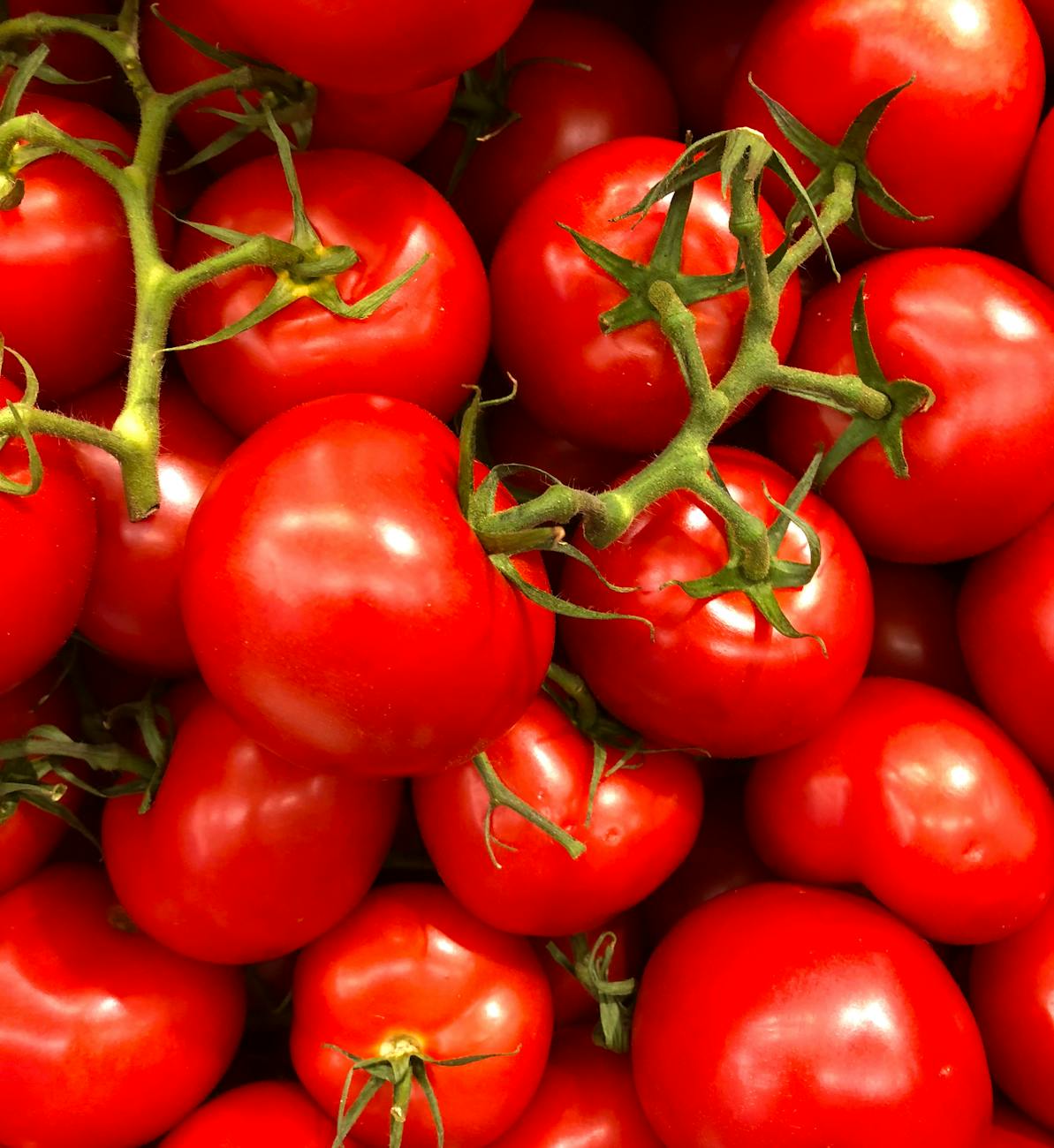
Tomatoes are a staple in Nigerian cuisine, used in soups, stews, and sauces. The country consumes over 2 million metric tons annually, yet still imports tomato paste due to local production gaps. This presents a massive opportunity for farmers.
Key benefits:
- High market demand year-round
- Short maturity period (60–90 days)
- Suitable for small and large-scale farming
- Can be grown in most Nigerian states
Best Tomato Varieties for Nigerian Climate
Choosing the right variety is crucial for yield and disease resistance. Popular varieties include:
- Roma VF – Ideal for paste production, disease-resistant
- UC82B – High yield, suitable for dry season farming
- Tropimech – Heat-tolerant, good for open field cultivation
- Cherry Tomato – Grown for niche markets and export
Step-by-Step Tomato Farming Process
- Site Selection and Land Preparation
Choose a well-drained loamy soil with a pH between 6.0 and 6.8. Avoid waterlogged areas.
Land prep steps:
- Clear vegetation and debris
- Plough and harrow to loosen soil
- Apply organic manure (e.g., poultry droppings or compost)
- Create raised beds or ridges for better drainage
- Seed Selection and Nursery Preparation
Tomatoes are best started in a nursery before transplanting.
Nursery setup:
- Use sterilized soil to prevent damping-off disease
- Sow seeds 1 cm deep and cover lightly
- Water gently and regularly
- Provide shade using palm fronds or netting
Seeds germinate in 5–7 days. Transplant after 3–4 weeks when seedlings have 4–5 leaves.
- Transplanting to the Main Field. types of transplanting here
Transplant in the early morning or late afternoon to reduce transplant shock.
Spacing:
- 50 cm between plants
- 75 cm between rows
Water immediately after transplanting.
- Fertilizer Application
Tomatoes are heavy feeders. Use a combination of organic and inorganic fertilizers.
Recommended schedule:
- 2 weeks after transplanting: Apply NPK 15-15-15
- At flowering stage: Use calcium nitrate to prevent blossom end rot
- During fruiting: Apply potassium-rich fertilizer for better fruit development
Always follow soil test recommendations for precise application.
- Irrigation and Water Management
Tomatoes need consistent moisture but hate waterlogging.
Tips:
- Use drip irrigation for efficiency
- Water early in the morning or late evening
- Reduce watering during fruit ripening to prevent cracking
- Weed and Pest Control
Weeds compete for nutrients and harbor pests. Control them manually or with herbicides.
Common pests:
- Whiteflies
- Aphids
- Tomato hornworms
Diseases:
- Fusarium wilt
- Bacterial spot
- Early blight
Use integrated pest management (IPM) techniques:
- Crop rotation
- Resistant varieties
- Neem-based organic sprays
- Proper spacing and sanitation
- Staking and Pruning
Staking prevents fruit rot and improves air circulation.
How to stake:
- Use bamboo sticks or wooden poles
- Tie plants loosely with twine
Prune lower leaves and suckers to direct energy to fruit production.
- Harvesting and Post-Harvest Handling
Tomatoes are ready for harvest 60–90 days after transplanting.
Harvesting tips:
- Pick when fruits are firm and red
- Use clean baskets to avoid bruising
- Sort and grade by size and ripeness
Storage:
- Store in cool, dry places
- Avoid stacking to prevent crushing
- For longer shelf life, consider cold storage or processing into paste
- Marketing and Profitability
Tomatoes can be sold fresh, processed, or exported.
Marketing channels:
- Local markets
- Restaurants and hotels
- Tomato paste factories
- Export agents
Profit tip: Timing your harvest to coincide with off-season periods (e.g., dry season) can fetch higher prices.
- Common Challenges in Tomato Farming
- Pest and disease outbreaks
- Poor irrigation systems
- Post-harvest losses
- Market price fluctuations
Solutions:
- Use disease-resistant varieties
- Invest in irrigation
- Train in post-harvest handling
- Join farmer cooperatives for better pricing
15 Frequently Asked Questions (FAQs) About Tomato Farming
- What is the best time to plant tomatoes in Nigeria?
Dry season (November–February) is ideal due to lower disease pressure. - How long does it take for tomatoes to mature?
Most varieties mature in 60–90 days after transplanting. - Can I grow tomatoes in containers?
Yes, especially cherry tomatoes. Use well-drained soil and stake properly. - How much profit can I make from one acre of tomatoes?
Depending on yield and market price, profits can range from ₦300,000 to ₦800,000. - What causes tomato leaves to turn yellow?
Possible causes include nutrient deficiency, overwatering, or disease. - How do I prevent tomato fruit cracking?
Maintain consistent watering and avoid over-irrigation during ripening. - What fertilizer is best for tomatoes?
NPK 15-15-15 for growth, calcium nitrate for flowering, and potassium for fruiting. - Can I use organic methods for tomato farming?
Yes. Compost, neem oil, and crop rotation are effective organic practices. - How do I control tomato pests naturally?
Use neem spray, introduce beneficial insects, and maintain field hygiene. - What is blossom end rot?
A calcium deficiency that causes black spots on the bottom of fruits. - How often should I water tomato plants?
2–3 times per week, depending on weather and soil type. - Can I grow tomatoes all year round?
Yes, with irrigation and disease management, tomatoes can be grown year-round. - What is the best tomato variety for commercial farming?
Roma VF and UC82B are popular for high yield and processing. - How do I stake tomato plants?
Use bamboo or wooden stakes and tie plants loosely with twine. - Where can I sell my tomatoes in bulk?
Local markets, food processors, and export agents are good options.
Originally posted 2025-08-17 13:39:47.