
Biomass: Definition, Sources, Uses, and Importance
Introduction
Biomass is organic material derived from plants, animals, and microorganisms that can be used as a renewable source of energy or as raw material for various products. It plays a significant role in sustainable energy production and environmental conservation.
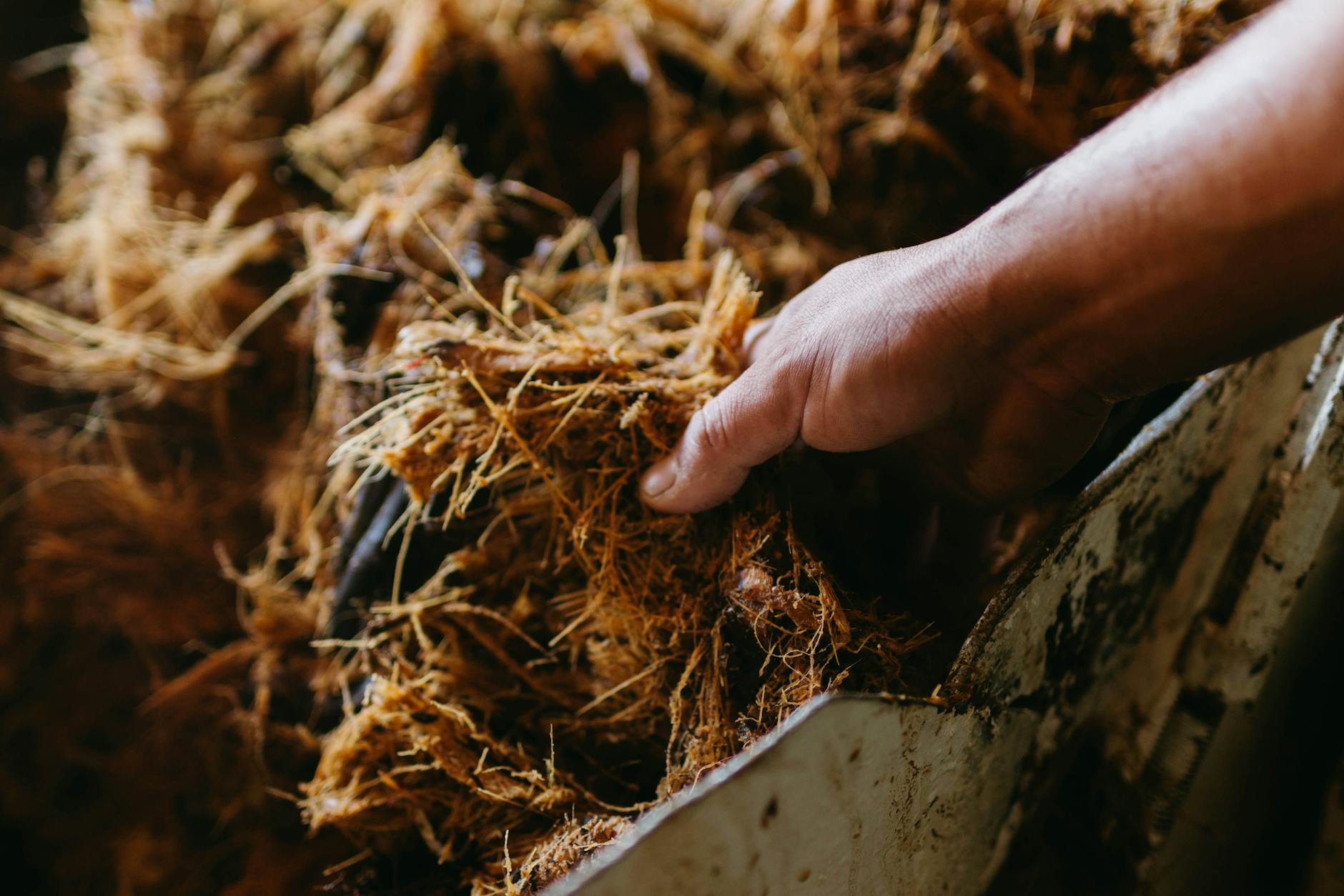
Definition of Biomass
Biomass refers to any living or recently living biological matter that can be used as fuel, feed, or raw material. It includes wood, crop residues, animal manure, algae, and organic waste.
Types of Biomass
- Plant Biomass – crops, trees, grasses.
- Animal Biomass – manure, fats, and waste from livestock.
- Microbial Biomass – algae, bacteria, fungi.
- Industrial Biomass – food processing waste, sawdust, paper waste.
Sources of Biomass
Agricultural Residues – crop stalks, husks, shells.
Forestry Residues – wood chips, bark, sawdust.
Animal Waste – manure for fertilizer or biogas.
Municipal Solid Waste – organic household waste.
Aquatic Sources – seaweed, microalgae.
Biomass as an Energy Source
Biomass is a renewable energy source because plants absorb carbon dioxide during growth, offsetting emissions when burned or converted to fuel.
Conversion Methods:
Direct Combustion – burning wood or waste for heat and electricity.
Gasification – converting biomass into syngas for power generation.
Anaerobic Digestion – producing biogas from organic waste.
Fermentation – creating ethanol from sugar-rich plants.
Pyrolysis – producing bio-oil and biochar by heating biomass without oxygen.
Uses of Biomass
- Energy Production – electricity, heat, biofuels.
- Agriculture – organic fertilizers and soil amendments.
- Industry – bioplastics, paper, textiles.
- Environmental Management – waste reduction, carbon sequestration.
Advantages of Biomass
Renewable and sustainable.
Reduces dependence on fossil fuels.
Promotes rural economic development.
Utilizes waste that would otherwise cause pollution.
Disadvantages of Biomass
Requires large land areas for cultivation.
Can contribute to deforestation if not managed sustainably.
Produces emissions during combustion.
Competes with food production in some cases.
Biomass in Climate Change Mitigation
Carbon Neutrality – CO₂ released during biomass use is reabsorbed by plants.
Biochar Production – improves soil fertility and stores carbon long-term.
Replaces Fossil Fuels – reducing greenhouse gas emissions.
Summary
Biomass is a renewable and versatile resource with applications in energy, agriculture, and industry. Sustainable biomass use can help meet global energy demands while reducing environmental impact.
10 FAQs About Biomass
Q1: What is biomass in simple terms?
A: Biomass is plant and animal material used for fuel or industrial purposes.
Q2: Is biomass renewable?
A: Yes, it can be replenished through sustainable farming and waste recycling.
Q3: How is biomass converted to energy?
A: Through combustion, anaerobic digestion, gasification, or fermentation.
Q4: What is the main source of biomass energy?
A: Wood and agricultural residues.
Q5: Does biomass reduce greenhouse gases?
A: Yes, when managed sustainably, it can offset carbon emissions.
Q6: Can biomass replace fossil fuels completely?
A: Not entirely, but it can significantly reduce dependence on them.
Q7: What is biochar?
A: A carbon-rich product from biomass pyrolysis used to improve soil.
Q8: Is biomass environmentally friendly?
A: Yes, if sourced and processed sustainably.
Q9: Which countries use the most biomass energy?
A: Brazil, the USA, China, and India are major users.
Q10: Can algae be used as biomass?
A: Yes, algae can produce biofuels, animal feed, and fertilizers.
Originally posted 2025-08-10 13:37:40.