
Agricultural Raw Materials: Types, Sources, Uses, Locations, and Markets
Agricultural raw materials play a crucial role in global economies. These are the basic products obtained from agriculture that serve as the foundation for various industries. From food production to textiles, cosmetics, and biofuels, agricultural raw materials are indispensable.
In this post, we will explore:
What agricultural raw materials are
Types of agricultural raw material
Sources and major producing countries
Uses and applications
Market trends and opportunities

What are Agricultural Raw Materials?
Agricultural raw materials are products derived directly from farming activities or from the harvesting of plants and animals. These materials are usually unprocessed or minimally processed and serve as inputs for industrial production.
Examples include:
Cotton

Rubber

Coffee

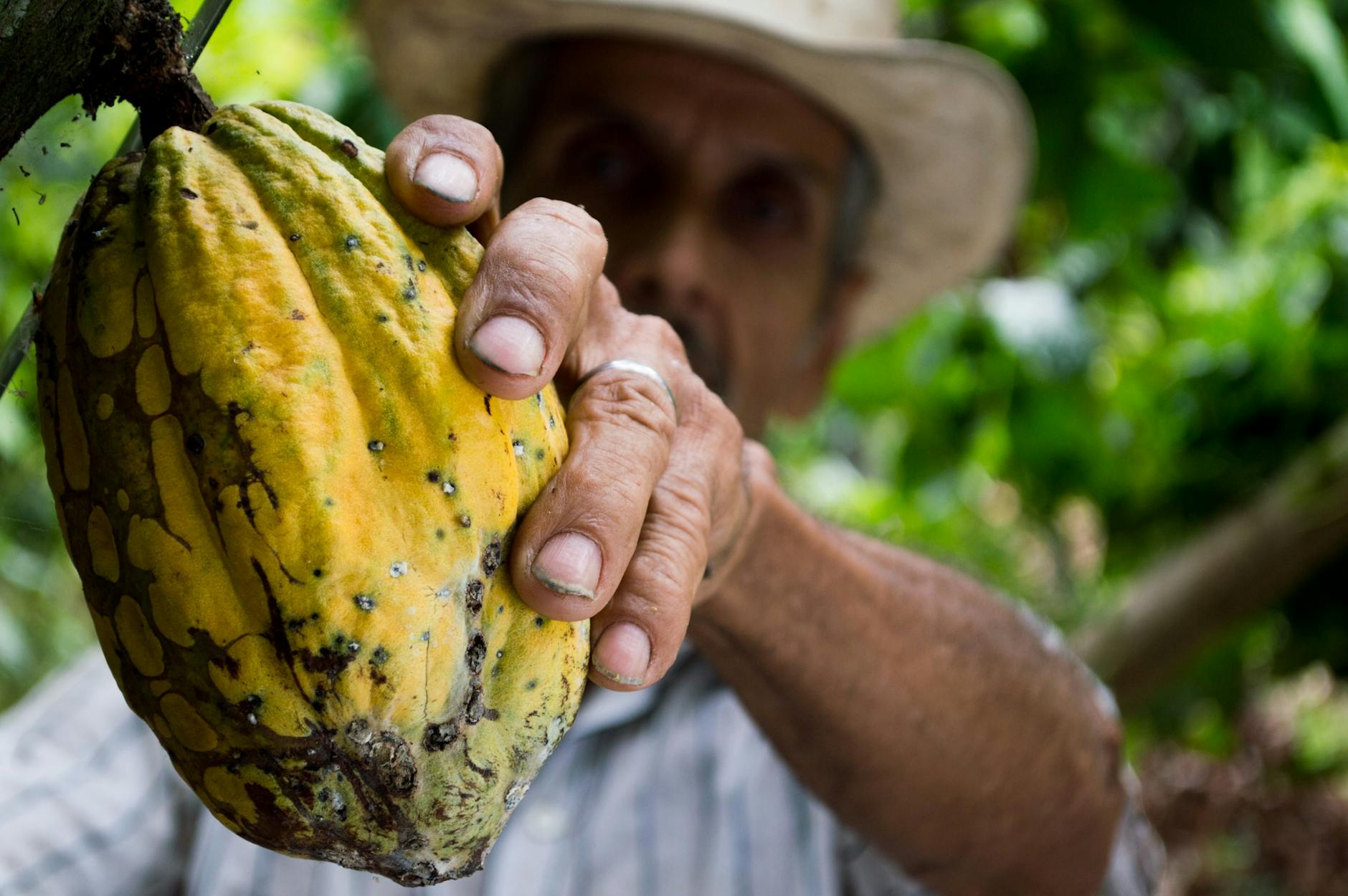
Cocoa
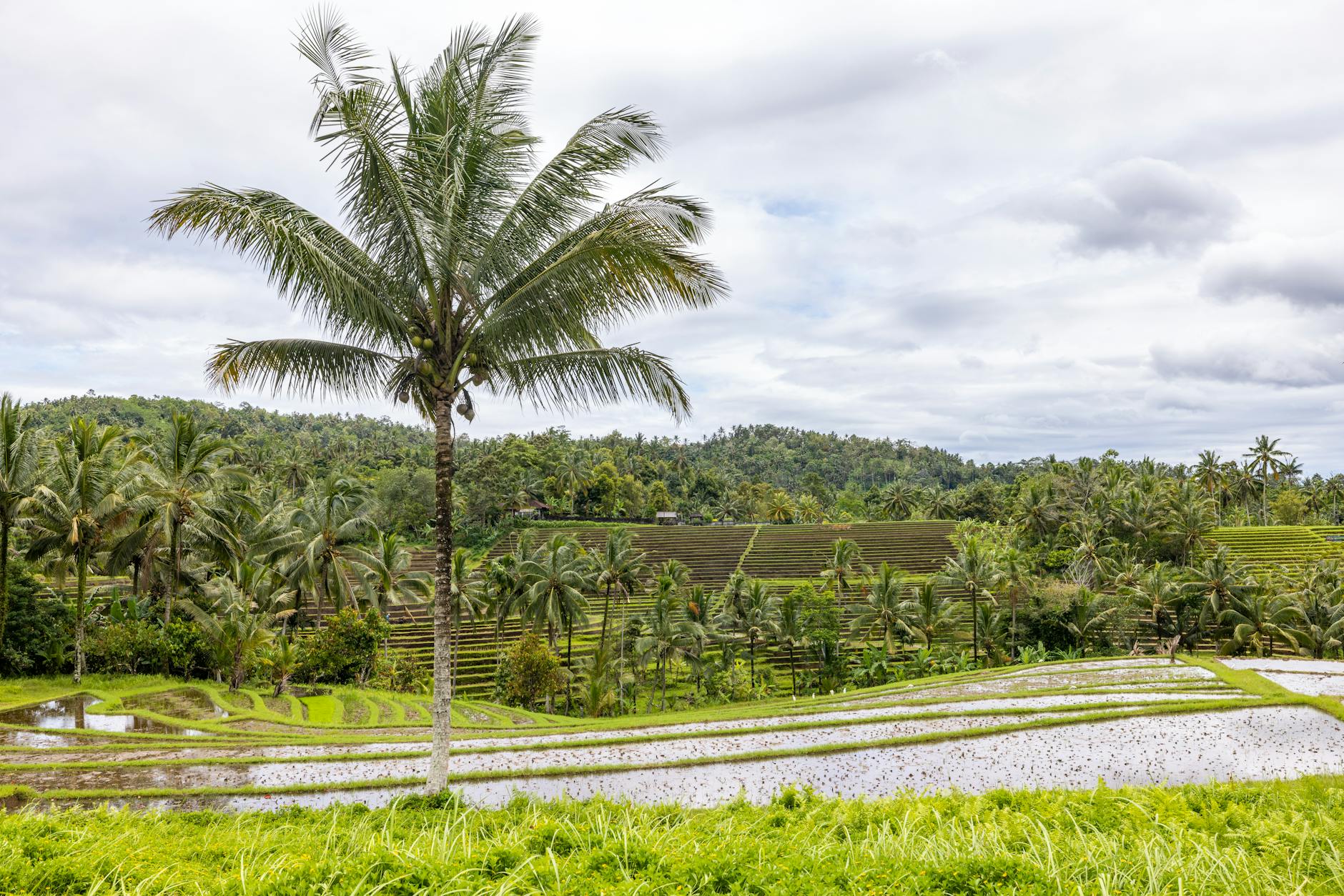
Palm oil
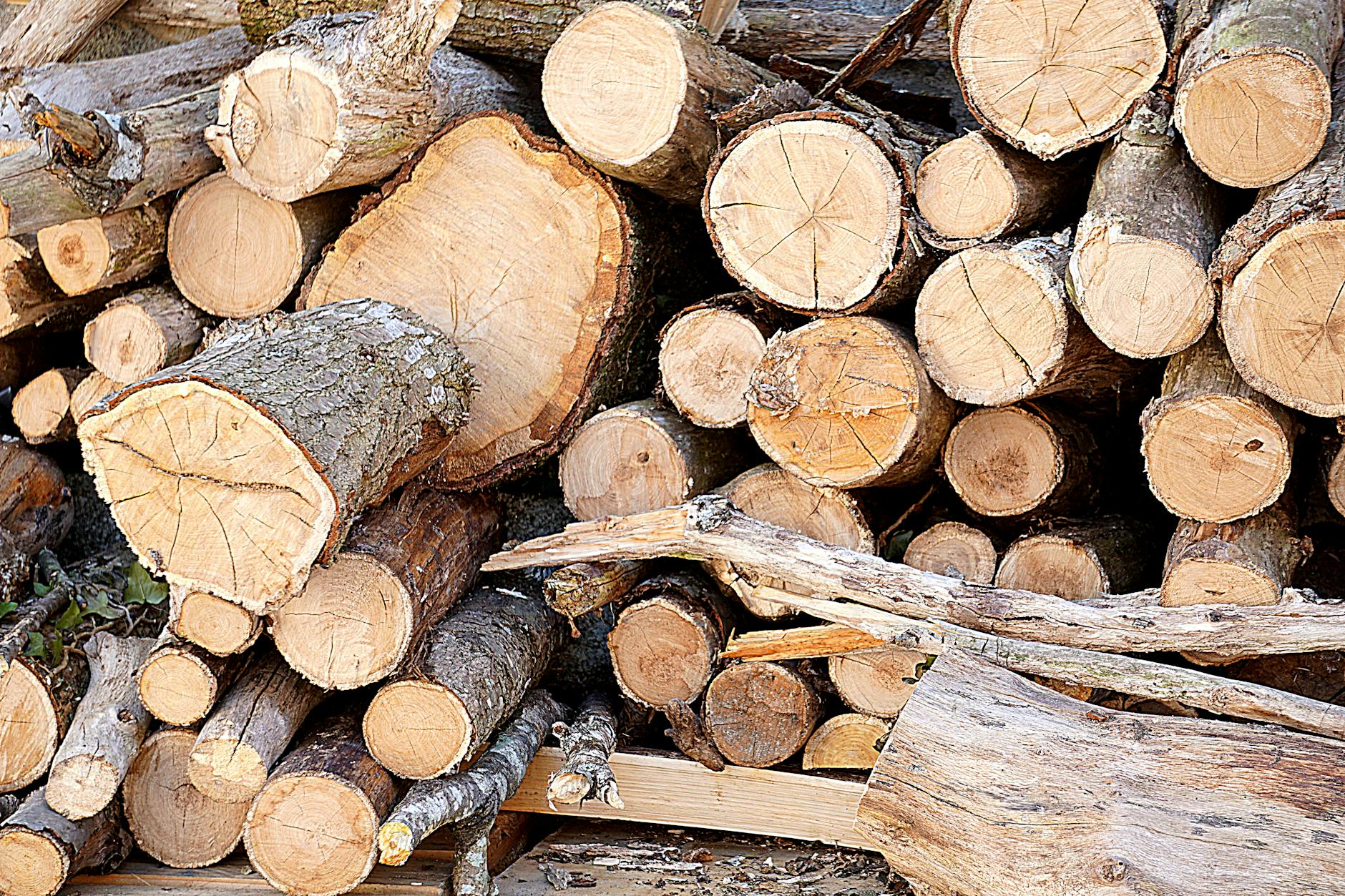
Timber
Wool

Types of Agricultural Raw Material
Agricultural raw material can be classified into the following main types:
- Cash Crops
These are crops grown primarily for sale rather than for the farmer’s own use. Examples:
Cotton
Coffee
Tea
Cocoa
Sugarcane
- Fiber Crops
These crops provide raw materials for textile and related industries. Examples:
Cotton
Jute
Flax
Hemp
Wool
- Oil Crops
These crops are grown for their oil content, used in cooking, cosmetics, and industry. Examples:
Palm oil
Sunflower
Coconut
- Forestry Products
Agricultural raw material from forests include:
Timber
Rubber
Bamboo
Pulpwood for paper production
- Animal Products
Derived from livestock and used in food and non-food industries:
Milk

Wool
Hides and skins
Silk
Sources and Global Locations of Agricultural Raw Material
Agricultural raw materials are produced worldwide, with certain countries leading in specific commodities.
Raw Material Leading Countries Main Regions
Cotton India, China, USA, Pakistan Asia, North America
Coffee Brazil, Vietnam, Colombia, Ethiopia South America, Africa
Cocoa Ivory Coast, Ghana, Indonesia, Nigeria West Africa
Palm Oil Indonesia, Malaysia, Thailand Southeast Asia
Rubber Thailand, Indonesia, Vietnam Southeast Asia
Timber USA, Canada, Russia, Brazil North America, Europe, South America
Wool Australia, China, New Zealand Oceania, Asia
Soybean USA, Brazil, Argentina North & South America
Uses and Applications of Agricultural Raw Materials
Agricultural raw materials are essential in:
Food Industry: Grains, oils, cocoa, coffee, dairy, meat
Textile Industry: Cotton, wool, silk, flax
Construction and Furniture: Timber, bamboo
Paper Industry: Pulpwood, hemp
Biofuel Production: Corn, sugarcane, soybean, palm oil
Pharmaceuticals and Cosmetics: Essential oils, aloe vera, shea butter
Industrial Processing Examples:
Cotton → Fabric and textiles
Cocoa → Chocolate and cosmetics
Timber → Furniture, paper, construction materials
Soybean → Oil, animal feed, biofuels
Global Market and Trends for Agricultural Raw Materials
The global market for agricultural raw materials is dynamic and influenced by:
Population Growth: Increased demand for food and clothing
Urbanization: Higher consumption of processed goods
Environmental Concerns: Shift to sustainable and eco-friendly raw materials
Technological Advancements: Improved agricultural productivity and supply chains
Trade Policies: Export-import regulations impact market dynamics
Market Highlights:
The cotton market remains strong due to textile industry demands.
Coffee and cocoa markets are driven by global consumption in beverages and confectioneries.
The palm oil market is expanding but faces sustainability challenges.
Rubber markets are influenced by the automotive industry.
Emerging Opportunities:
Organic agricultural raw materials are gaining popularity.
Increased use of agricultural waste for renewable energy (biomass, biofuels).
Growth in fair trade and ethically sourced raw materials.
Agricultural raw materials are the backbone of many industries across the globe. Understanding their types, sources, uses, and markets helps stakeholders—from farmers to investors—make informed decisions. As the world leans towards sustainability and innovation, agricultural raw materials will continue to play a central role in driving economies and meeting global demands.
Originally posted 2025-07-05 11:43:33.