
Pitcher Plant: Structure, Adaptations, Types, and Ecological Importance. Pitcher plants are among the most remarkable carnivorous plants in the world. Known for their pitcher-shaped leaves, these plants have evolved specialized adaptations that allow them to survive in nutrient-poor soils by capturing and digesting insects. see more on digestion here
They belong to different genera such as Nepenthes, Sarracenia, and Heliamphora. While these plants differ in size, shape, and distribution, they share the ability to trap prey in fluid-filled pitchers that act as natural digestive chambers.
Introduction to Pitcher Plants
Pitcher plants grow in environments where essential nutrients, particularly nitrogen, are scarce. To compensate for this deficiency, they developed a carnivorous lifestyle. Instead of relying solely on soil nutrients, they supplement their needs by digesting insects and sometimes even small vertebrates.
Their specialized morphology, fascinating trapping mechanisms, and ecological interactions make them an important subject of study in both botany and ecology.
General Characteristics of Pitcher Plants
Pitcher plants possess several unique features:
Modified leaves shaped into a deep cavity or pitcher.
Bright colors, nectar, and scents that attract prey.
Slippery inner walls that prevent insects from climbing out.
Digestive fluids containing enzymes and microorganisms that break down prey.
These features work together to make them highly effective carnivorous plants.
Major Types of Pitcher Plants
Nepenthes (Tropical Pitcher Plants)
Found mostly in Southeast Asia, Nepenthes are climbing plants with large pitchers that hang from tendrils. Some species produce giant pitchers capable of trapping small mammals, frogs, or even lizards.
Sarracenia (North American Pitcher Plants)
These plants thrive in boggy soils of North America. They have tall tubular pitchers with a hood-like structure that prevents rain from diluting digestive fluids.
Heliamphora (Marsh Pitcher Plants)
Native to South America, these pitcher plants live in highland regions. Their pitchers often collect rainwater, which mixes with digestive secretions to break down prey.
Cephalotus follicularis (Albany Pitcher Plant)
Endemic to Western Australia, this small pitcher plant has a compact rosette form and hairy lids that prevent excess rain from flooding the pitcher.
Habitat of Pitcher Plants
Pitcher plants grow in environments such as:
Tropical rainforests
Bogs and swamps
Wetlands and marshes
Sandy or peaty soils with low nitrogen levels
more oon vegetative zones hefe
Their carnivorous strategy allows them to thrive in areas where most other plants cannot survive.
Structure and Anatomy of Pitcher Plants
The structure of pitcher plants is highly specialized.
- Pitcher (Modified Leaf): Serves as the trap for insects.
- Peristome (Rim): Slippery and often lined with nectar glands to lure prey.
- Lid (Operculum): Prevents dilution of digestive fluids by rainwater.
- Digestive Zone: Contains enzymes and microorganisms for breaking down prey.
- Absorptive Tissues: Allow the plant to take in nutrients.
This design ensures efficiency in capturing and digesting prey.
Trapping Mechanism
Pitcher plants rely on a passive trapping mechanism.
Prey is attracted by nectar and bright coloration.
Slippery surfaces cause insects to fall into the pitcher.
Downward-pointing hairs prevent escape.
Digestive enzymes and bacteria decompose the insect.
Nutrients such as nitrogen and phosphorus are absorbed.
Unlike active traps such as the Venus flytrap, pitcher plants depend on their passive structure to capture prey.
Ecological Importance of Pitcher Plants
Pitcher plants play vital roles in their ecosystems:
Nutrient Cycling: They recycle scarce nutrients in poor soils.
Microhabitats: Some species provide shelter for frogs, mosquito larvae, and spiders inside their pitchers.
Pollinator Relationships: Despite being carnivorous, they still depend on pollinators for reproduction.
Indicator Species: Their presence often signals healthy wetland ecosystems.
Adaptations of Pitcher Plants
Pitcher plants have evolved remarkable adaptations:
Bright coloration to attract prey.
Sweet nectar secretions to lure insects.
Downward hairs and slippery walls to trap victims.
Digestive enzymes for prey decomposition.
Ability to store rainwater and maintain digestive fluid balance.
These adaptations ensure survival in hostile environments.
Reproduction of Pitcher Plants
Pitcher plants reproduce through both sexual and asexual methods.
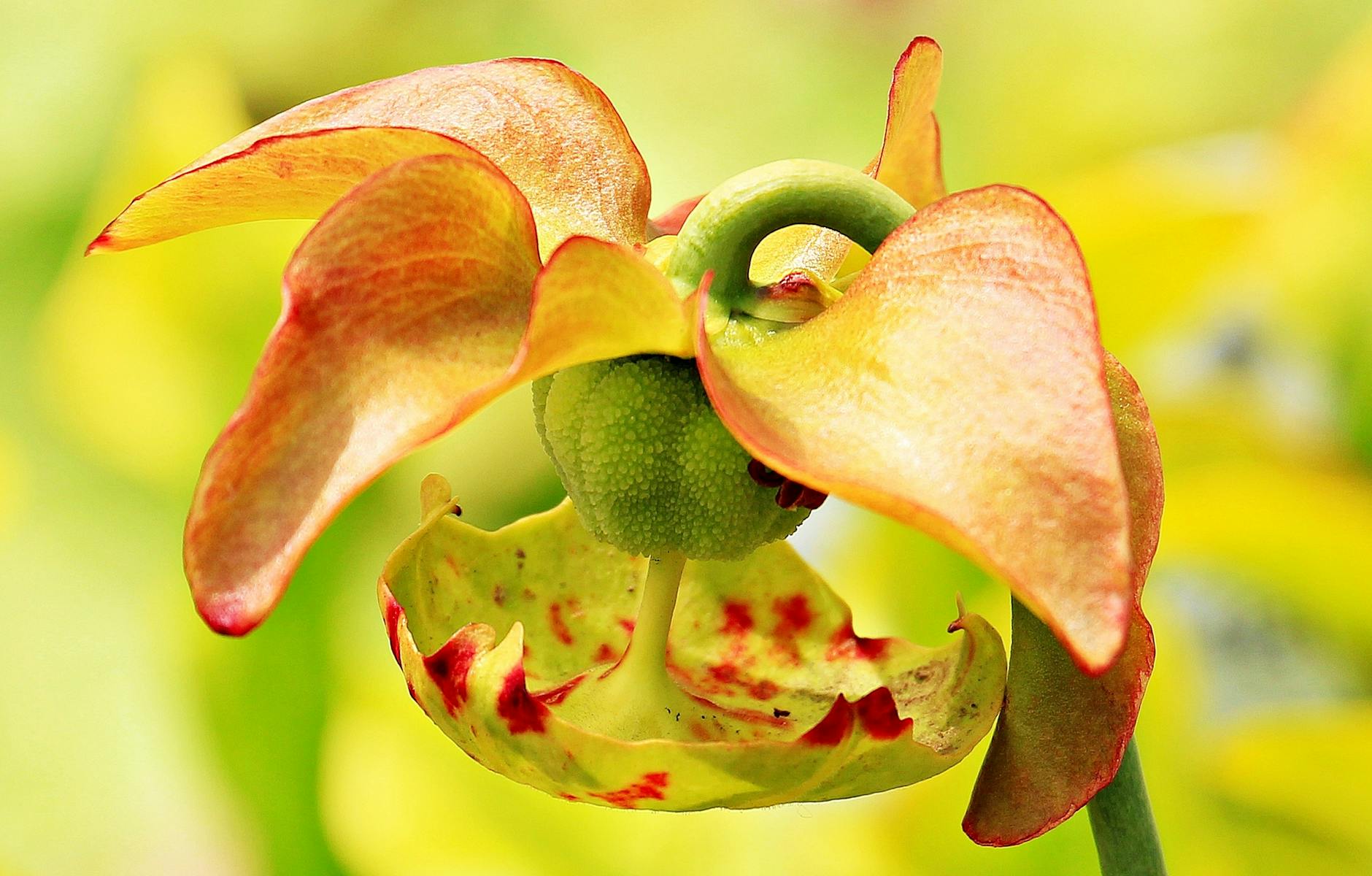
Sexual Reproduction: They produce flowers that are usually pollinated by insects. Seeds are dispersed by wind or water.
Asexual Reproduction: Some species can grow new plants from rhizomes or vegetative offshoots.
This dual reproduction strategy ensures their survival and spread
Uses of Pitcher Plants
- Medicinal: Traditionally used in herbal remedies for digestive and respiratory issues.
- Ornamental: Grown in greenhouses and gardens for their exotic appearance.
- Scientific: Studied to understand plant adaptations and evolution.
- Cultural Symbolism: In some cultures, pitcher plants symbolize survival in harsh conditions.
Threats and Conservation
Despite their resilience, pitcher plants face serious threats:
Habitat destruction from agriculture and urbanization.
Over-collection for the horticultural trade.
Climate change affecting wetlands and bogs.
Invasive species disrupting their ecosystems.
Conservation efforts include habitat protection, cultivation in botanical gardens, and international regulations against illegal trade.
Frequently Asked Questions (FAQ)
What makes pitcher plants carnivorous?
They are carnivorous because they trap and digest insects to obtain nutrients that are lacking in the soil.
Where are pitcher plants found?
They are found in Asia, North America, South America, and Australia, especially in nutrient-poor bogs and rainforests.
How do pitcher plants digest prey?
Digestive enzymes and bacteria break down prey into simple nutrients, which the plant absorbs through its pitcher walls.
Are pitcher plants dangerous to humans?
No, pitcher plants are harmless to humans. They only trap insects and, in rare cases, very small animals.
Why are pitcher plants endangered?
Many species are threatened by habitat loss, overharvesting, and climate change, making conservation crucial.
Summary
Pitcher plants are extraordinary carnivorous plants with specialized adaptations that allow them to survive in nutrient-poor habitats. With unique trapping mechanisms, diverse species, and vital ecological roles, they stand out as one of nature’s most fascinating organisms.
However, they face growing threats from human activities and environmental changes. Protecting their habitats and raising awareness about their importance is key to ensuring their survival.
Originally posted 2025-08-27 08:16:53.