
The Variegated Grasshopper: A Pest of Crops and Gardens
The Variegated grasshopper (Zonocerus variegatus) is a species of grasshopper that is native to Africa and is known for its distinctive variegated coloration. This grasshopper is a significant pest of crops and gardens, causing damage to a wide range of plants, including vegetables, fruits, and grains.
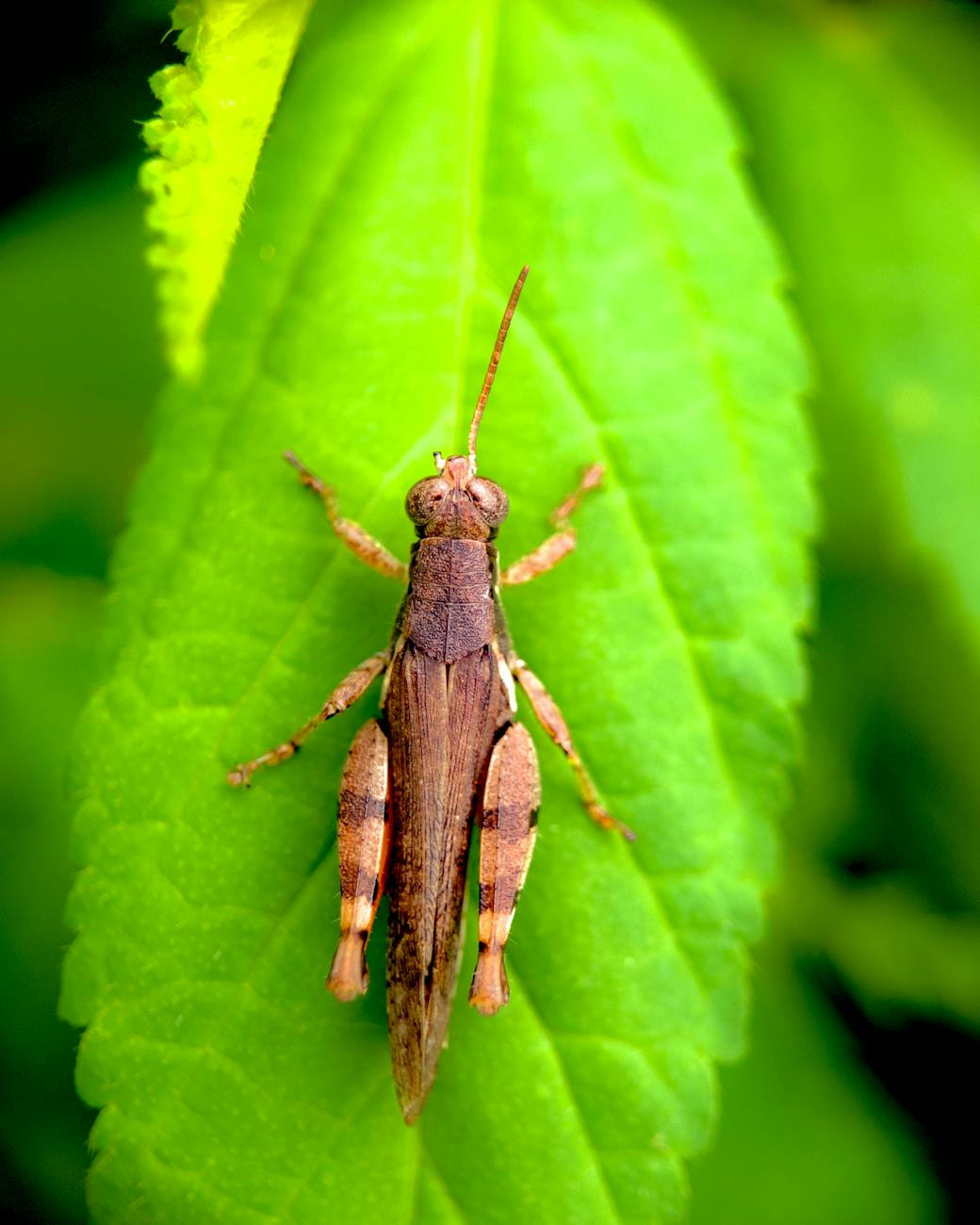
Life Cycle: of a Variegated grasshopper
The Variegated grasshopper undergoes a process called incomplete metamorphosis, which consists of three stages: egg, nymph, and adult.
- Egg Stage: Female Variegated grasshoppers lay their eggs in the soil, typically in clusters of 20-50 eggs. The eggs hatch after a few weeks, depending on the temperature and moisture levels.
- Nymph Stage: The nymphs, also known as hoppers, go through several instars as they grow and develop. During this stage, they are wingless and resemble small adults. Nymphs feed on plants and can cause significant damage to crops.
- Adult Stage: Adult Variegated grasshoppers have distinctive variegated coloration and are capable of flying. They continue to feed on plants and can cause significant damage to crops.
Effects on Crops:
The Variegated grasshopper is a significant pest of crops and gardens, causing damage to a wide range of plants, including:
- Vegetables: Variegated grasshoppers feed on leaves, stems, and fruits of vegetables, such as tomatoes, peppers, and cucumbers.
- Fruits: They also feed on fruits, such as citrus, mangoes, and papayas.
- Grains: Variegated grasshoppers can feed on grains, such as maize, rice, and sorghum.
Control Measures:
There are several control measures that can be used to manage Variegated grasshopper populations, including:
Cultural Control: Cultural control methods involve modifying agricultural practices to reduce the risk of grasshopper infestations. This can include practices such as crop rotation, sanitation, and irrigation management.
Biological Control: Biological control methods involve using natural enemies, such as predators and parasites, to control grasshopper populations.
Chemical Control: Chemical control methods involve using insecticides to control grasshopper populations. However, this method should be used with caution and as a last resort, as it can have negative impacts on the environment and human health.
Integrated Pest Management (IPM): IPM involves using a combination of control methods, including cultural, biological, and chemical control, to manage pest populations in a sustainable and environmentally friendly way.
Management Strategies:
Some management strategies that can be used to control Variegated grasshopper populations include:
- Monitoring: Regular monitoring of crops and gardens can help detect grasshopper infestations early, allowing for prompt control measures to be taken.
- Traps: Traps can be used to capture and kill grasshoppers, reducing the population and preventing further damage.
- Resistant Varieties: Planting resistant varieties of crops can help reduce the impact of grasshopper infestations.
- Crop Diversification: Crop diversification can help reduce the risk of grasshopper infestations by breaking the life cycle of the pest.
Conclusion:
The Variegated grasshopper is a significant pest of crops and gardens, causing damage to a wide range of plants. Understanding the life cycle, effects on crops, and control measures of this pest can help farmers and gardeners manage infestations and reduce the impact on their crops. By using a combination of cultural, biological, and chemical control methods, and implementing management strategies such as monitoring, trapping, and crop diversification, it is possible to control Variegated grasshopper populations and protect crops.
FAQs:
Q: What is the Variegated grasshopper?
A: The Variegated grasshopper (Zonocerus variegatus) is a species of grasshopper that is native to Africa and is known for its distinctive variegated coloration.
Q: What crops are affected by the Variegated grasshopper?
A: The Variegated grasshopper can feed on a wide range of crops, including vegetables, fruits, and grains.
Q: How can I control Variegated grasshopper populations?
A: Control measures can include cultural control, biological control, chemical control, and integrated pest management.
I hope this post provides a comprehensive overview of the Variegated grasshopper and its impact on crops and gardens. Let me know if you have any further questions!
63. MAIZE RUST
64. LEAF SPOT OF GROUNDNUT
65. COW-PEA MOSAIC
66. COCOA BLACK POD DISEASE
Originally posted 2022-02-13 16:14:10.